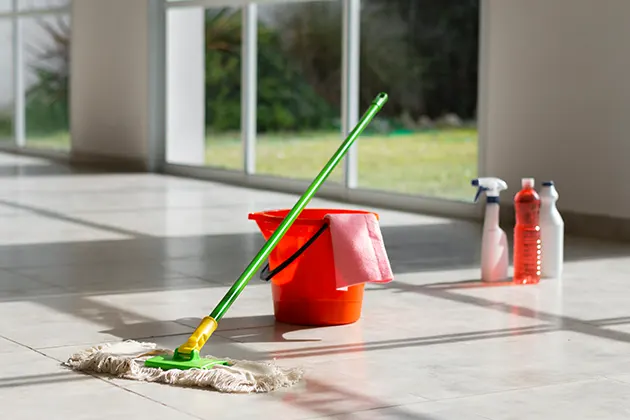
Floors take more daily punishment than almost any other surface in a home, yet their care tends to be treated as an afterthought. A consistent routine protects your investment, supports indoor air quality by reducing dust and allergens, and keeps surfaces looking their best for years. Your daily habits, your choice of tools, and the type of floor cleaner you use all play a role in how well your floors hold up over time. The one insight most people miss is straightforward but important: different flooring materials require different routines — no single method works safely across every surface.
Understanding Your Flooring: Why Material Matters
Before reaching for any product or tool, take a moment to identify your flooring type. The main categories — hardwood, engineered wood, laminate, vinyl, tile and stone, and carpet — each respond differently to moisture, abrasion, and cleaning chemicals. Solid hardwood and engineered wood can swell or warp when exposed to standing water. Laminate is vulnerable to moisture seeping through its seams. Vinyl handles moisture more readily but can be damaged by strong solvents. Natural stone and grout are porous and quick to absorb stains. Carpet fibers and backing are prone to over-wetting and residue buildup. Always consult your manufacturer’s care documentation first, since recommendations can vary even within the same flooring category.
Core Principles of a Safe, Effective Floor-Cleaning Routine
Regardless of flooring type, a tiered approach keeps maintenance manageable:
- Daily/Regular: Sweep, dust-mop, or lightly vacuum to remove loose grit and debris.
- Weekly: Damp-mop hard floors; vacuum carpets thoroughly, including along edges.
- Periodic: Deep-clean grout, treat stains, and refresh carpet fibers as needed.
The most important foundational habit is dry before wet — always clear loose particles before introducing any moisture. Skipping this step can cause scratching and smearing that permanently dulls a surface. Stick to microfiber mops and soft-bristle tools rather than abrasive pads, and resist the urge to use too much water, particularly on wood and laminate. A neutral-pH cleaner is generally safe for most sealed hard floors, while certain surfaces call for specialized formulas. Never mix cleaning chemicals, and keep the area well-ventilated when using any product indoors.
Key Takeaway: Remove dry debris before introducing moisture, and always choose products compatible with your floor’s specific material and finish.
Caring for Hard Floors: Hardwood, Engineered Wood, and Laminate
Wood and laminate floors are especially sensitive to moisture. For everyday upkeep, use a vacuum on a hard-floor setting or a soft-bristle broom. Weekly, follow up with a damp — not wet — mop and a cleaner formulated for sealed wood or laminate. Steer clear of vinegar and other acidic DIY solutions, which can dull finishes over time and may void manufacturer warranties. Entry mats, felt pads under furniture legs, and the habit of wiping up spills immediately rather than letting them sit all go a long way toward protecting these surfaces.
Tile, Stone, and Grout: Handling Porous Surfaces
Ceramic and porcelain tiles are relatively low-maintenance, but porous grout lines readily absorb spills and can harbor mildew when neglected. Natural stone — marble, travertine, and similar materials — requires stone-safe, pH-balanced products, since acidic cleaners can permanently etch the surface. Sweep or vacuum regularly to keep grit from scratching the tile, mop weekly with a compatible cleaner, and periodically scrub grout with a brush and a formula labeled safe for grout and surrounding stone. Sealing grout and natural stone, as recommended by your installer, makes a noticeable difference in long-term stain resistance.
Soft Surfaces: Carpet and Rugs
Carpets trap dust, allergens, and fine particles more readily than hard floors, which makes consistent vacuuming essential — high-traffic areas may need attention several times a week. For spills, blot immediately rather than rubbing, then apply a carpet-safe spot treatment. Periodic deep cleaning, such as hot water extraction, refreshes fibers and lifts embedded debris, but avoid over-wetting, which can lead to odors or mold growth in the backing. Delicate or antique rugs are often better left to professional care rather than DIY methods.
Bringing It All Together for Long-Lasting Floors
The most effective shift most households can make is moving away from occasional, intensive cleaning sessions toward light, consistent care tailored to each floor type. Pay attention to how your floors respond to your current habits and adjust gradually from there. A simple weekly rhythm — sweep or vacuum daily, damp-mop hard floors weekly, vacuum carpets thoroughly — provides a reliable starting point that can be adapted to household size, the presence of pets or children, and seasonal challenges like mud or sand.
Above all, match your routine to your floor type, follow manufacturer guidelines, and start with the gentlest effective option before reaching for stronger methods. Small, regular efforts consistently outperform the occasional deep clean — and they are far less likely to cause unintended damage along the way.