Banking has always been a structured and demanding profession, shaped by rules, hierarchy, and long-standing practices. For many years, it was an industry where careers were built slowly, and opportunities often depended on access, experience, and internal networks. Success required patience, discipline, and the ability to earn trust over time.
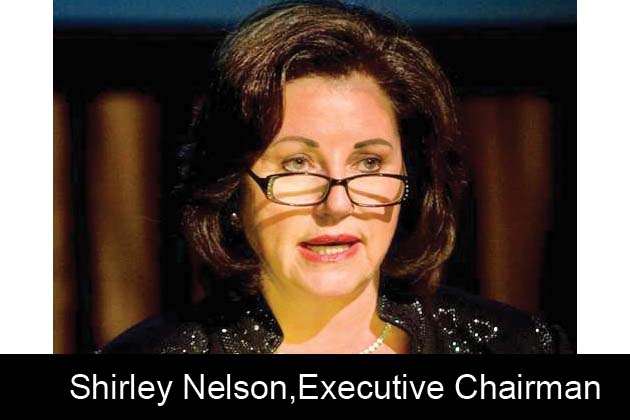
Shirley Nelson began her career at a time when women faced significant barriers in the banking industry. Leadership roles were largely dominated by men, and opportunities for advancement were often limited. Despite these challenges, she forged a successful path through perseverance, talent, and an unwavering commitment to excellence.
Early Career Built on Discipline and Relationships
Shirley started in entry-level banking roles and gradually worked her way up through consistency and hard work. She focused on understanding customers, managing branch operations, and building strong relationships with clients across the Bay Area.
Instead of chasing quick promotions, she concentrated on doing her work well every day. Her strength lay in her ability to connect with people and understand their financial needs in a simple and practical way. Over time, this approach helped her earn responsibility and respect within the organization.
However, as her responsibilities grew, she also encountered a common reality for many women of her generation—greater workload did not always come with equalpay or recognition. These experiences shaped how she viewed leadership and fairness in the workplace.
A Turning Point That Led to Summit Bank
One moment changed the direction of her career. After being offered expanded managerial responsibilities without a corresponding increase in compensation, Shirley realized that the limits she was facing were unlikely to change within the existing system.
Rather than continue within those boundaries, she made a bold decision. She chose to build something of her own.
This decision led to years of preparation, regulatory work, fundraising, and persistence. Starting a bank from scratch was a difficult process, especially without the established networks many senior bankers relied on. But she moved forward with determination.
In 1982, her vision became reality with the launch of Summit Bank.
Building a Bank with a People-First Philosophy
From the beginning, Summit Bank was built on a simple but powerful idea: bankingshould be personal, not mechanical. Shirley believed that most banks offered similar services, but what truly set an institution apart was how it treated people.
At Summit Bank, employees were encouraged to understand clients beyond financial statements. Relationships mattered as much as numbers. Customers were seen as individuals with goals, challenges, and long-term ambitions.
Unlike many traditional banks that relied strictly on formulas, the bank also considered character, trust, and potential when making decisions. This approach helped Summit Bank build strong relationships with entrepreneurs, medical professionals, and local businesses.
Growth came steadily, not through aggressive advertising, but through referrals. Satisfied clients often recommended the bank to others, building a strong foundation of trust. For Shirley, success was never about being the biggest bank, but about being one of the most trusted.
Leadership Rooted in Curiosity and Responsibility
Shirley’s leadership style is often described as direct, disciplined, and grounded in real experience. She believes in leading by example rather than instruction alone. Her approach is built on accountability, curiosity, consistency, and service.
Curiosity played a major role in her journey. She has always believed that asking questions and continuing to learn are essential for growth. This mindset shaped not only her own career but also the culture of Summit Bank.
Employees were encouraged to learn, grow, and take on new responsibilities. Training and development became an important part of the organization’s structure. Shirley also made a conscious effort to support women in banking, creating pathways for mentorship and advancement.
For her, leadership was never about position alone. It was about responsibility—toward employees, customers, and the larger community.
Banking Beyond Profit and a Lasting Legacy
In 1998, Shirley extended her vision beyond banking by founding the Summit Bank Foundation. The foundation focused on education, healthcare, scholarships, and medical research, including support for cancer-related studies such as lymphoma, breast cancer, leukemia, and multiple myeloma.
This work reflected her belief that businesses should play an active role in strengthening communities. Banking, in her view, was not only about financial transactions but also about social responsibility.
After decades of leadership, she transitioned into the role of Executive Chairman, continuing to guide the institution while new leadership took on day-to-day operations. One of the most meaningful aspects of this transition has been seeing her son, Steve Nelson, take on leadership responsibilities and continue the values she built over time.
Through economic changes, industry shifts, and evolving technology, Shirley Nelson’s leadership has remained consistent. Her legacy is not only the bank she built, but the culture of trust, service, and long-term thinking she established.