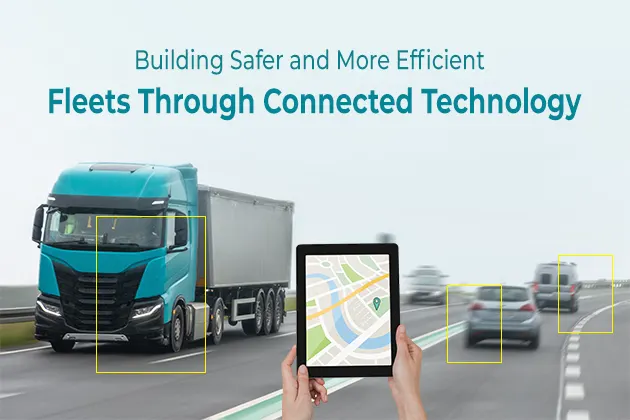
The trucking industry is no longer defined solely by engines, highways, and logistics networks. Today, software, artificial intelligence, and connected technologies are becoming just as important as the vehicles themselves. As fleets face mounting pressure from labor shortages, rising insurance costs, stricter regulations, and growing customer expectations, technology is emerging as the industry’s most powerful tool for improving both safety and profitability.
One of the biggest priorities for transportation companies is Truck driver fatigue prevention, a challenge that has persisted for decades despite regulatory efforts and mandatory rest requirements. While traditional approaches focused on compliance and driver training, modern fleets are increasingly turning to real-time monitoring systems and predictive analytics to address the problem before it leads to accidents.
The result is a new generation of intelligent fleets that can monitor driver behavior, assess vehicle health, optimize routes, and predict operational risks in ways that were unimaginable just a decade ago.
Why the Industry Is Investing Heavily in Fleet Technology
The business case for fleet technology has become stronger than ever. Transportation companies are operating in an environment where a single accident can result in costly litigation, damaged customer relationships, and significant operational disruption.
At the same time, insurance providers are paying closer attention to fleet safety performance. Companies that can demonstrate proactive risk management often gain access to more favorable insurance terms and lower liability exposure.
As a result, fleet technology is increasingly viewed not as an operational expense but as a strategic investment capable of delivering measurable returns across multiple areas of the business.
AI Is Becoming a Digital Co-Pilot
Artificial intelligence is playing a growing role in helping fleets identify risks before they become incidents. Modern driver-monitoring systems use computer vision technology to analyze driver behavior in real time.
These platforms can identify:
- Signs of drowsiness and microsleep events
- Mobile phone distractions
- Frequent yawning and eye-closure patterns
- Seatbelt violations
- Unsafe lane departures
- Inattentive driving during long-haul trips
Unlike traditional safety programs that review incidents after they occur, AI-powered systems provide immediate alerts that allow drivers to correct risky behaviors before an accident happens.
Many transportation companies are also using machine learning algorithms to analyze historical driving data. These systems can identify patterns associated with increased risk and help managers make informed decisions about scheduling, route planning, and driver support.
The Evolution of the Fleet Camera
The modern Fleet management camera bears little resemblance to the dashcams that first appeared in commercial vehicles years ago.
Today’s camera systems function as intelligent sensors capable of analyzing both the road environment and driver behavior simultaneously. Advanced computer vision software can detect speeding, tailgating, distracted driving, and sudden lane changes while automatically recording relevant footage.
Perhaps more importantly, these systems provide context. In an industry increasingly affected by litigation and fraudulent insurance claims, video evidence can offer an objective account of what actually occurred during an incident.
Many fleets are now using camera-generated data not only for safety investigations but also for driver coaching, operational analysis, and compliance reporting. This shift has transformed cameras from passive recording devices into valuable sources of business intelligence.
Connected Data Is Changing Accident Response
Even with major advances in artificial intelligence, telematics, and predictive analytics, not every collision can be prevented. What has changed is how these incidents are investigated. Modern commercial vehicles generate large amounts of data through electronic logging devices, GPS tracking, onboard cameras, and vehicle sensors, giving investigators a clearer understanding of the events leading up to a crash.
This digital evidence helps fleet operators evaluate safety performance, supports insurers during claims reviews, and enables companies to identify areas for improvement. It can also prove valuable for people involved in serious collisions, as the information may help establish liability and determine whether industry regulations were followed.
When complex questions arise after a commercial vehicle crash, those affected often choose to get in touch with a truck accident attorney who can review the available evidence and work with experts to build a clear picture of what occurred. As connected fleet technologies continue to advance, digital records are becoming an increasingly important tool for improving transparency and accountability across the trucking industry.
Predictive Maintenance Is Reducing Costly Breakdowns
Safety technology extends beyond driver monitoring. Vehicle health has become another major focus for fleet operators seeking to reduce risk and improve efficiency.
Connected sensors embedded throughout modern trucks continuously collect data from engines, transmissions, brakes, tires, and other critical components. Predictive maintenance platforms analyze this information to identify signs of wear before mechanical failures occur.
Rather than relying on fixed maintenance schedules, fleets can service vehicles based on actual operating conditions. This approach reduces downtime, improves vehicle reliability, and helps prevent equipment-related incidents on the road.
For large transportation companies managing hundreds or thousands of vehicles, predictive maintenance can generate substantial cost savings while improving overall fleet performance.
Route Intelligence Is Changing Operational Decision-Making
Route optimization has evolved far beyond finding the shortest path between two destinations.
Modern fleet platforms incorporate traffic data, weather forecasts, road restrictions, fuel costs, delivery windows, and historical performance information to identify the most efficient routes. Some systems continuously adjust recommendations throughout the day as conditions change.
The benefits extend beyond fuel savings. Smarter route planning can reduce driver stress, improve delivery reliability, and minimize exposure to high-risk road segments.
As transportation networks become increasingly complex, route intelligence is emerging as one of the most valuable tools available to fleet managers.
The Expanding Benefits of Connected Fleets
The adoption of advanced fleet technologies is producing benefits that extend well beyond safety improvements.
Organizations implementing connected fleet solutions frequently report:
- Lower accident-related costs
- Reduced insurance claims and litigation exposure
- Improved fuel efficiency
- Better regulatory compliance
- Enhanced driver retention and job satisfaction
- Greater visibility into daily operations
These advantages help explain why technology spending across the trucking sector continues to grow despite economic uncertainty.
Balancing Technology and Human Expertise
Despite rapid advances in automation and artificial intelligence, professional drivers remain at the heart of the transportation industry. Technology is not replacing drivers; it is providing tools that help them perform their jobs more safely and effectively.
This is particularly important as fleets continue to emphasize Safe driving tips for truck drivers alongside advanced monitoring systems and data-driven coaching programs. Technology can identify risks and provide recommendations, but human judgment remains essential in dynamic road environments.
The most successful fleets recognize that safety is strongest when technology and human expertise work together.
The Future of Connected Fleet Operations
The future of trucking will be shaped by increasingly connected and intelligent systems. Artificial intelligence, predictive analytics, telematics, vehicle-to-everything communication, and digital twins are expected to play larger roles in fleet operations over the coming years.
Rather than reacting to accidents, breakdowns, or delays, tomorrow’s fleets will be able to anticipate challenges before they occur. This shift from reactive management to predictive decision-making represents one of the most significant transformations in transportation history.
For fleet operators, the opportunity extends far beyond safety. Intelligent fleet technologies are creating new ways to improve efficiency, reduce costs, support drivers, and strengthen competitiveness in an industry that continues to evolve at a rapid pace.