

Video content has transformed from a supplementary marketing tool into one of the most influential forms of communication in the digital economy. Businesses, educators, media organizations, and independent creators now depend heavily on video to engage audiences, explain complex information, and build long-term digital visibility.
This shift has been driven by changes in technology, internet accessibility, smartphone usage, and consumer behavior. Audiences today prefer faster, more visual forms of communication that deliver information clearly and efficiently. Instead of reading lengthy explanations, users increasingly consume tutorials, product demonstrations, educational clips, interviews, livestreams, and short-form visual content across multiple platforms.
As digital ecosystems continue evolving, the demand for high-quality on-demand content has expanded significantly because users now expect instant access to information, entertainment, and learning resources at any time.
How Audience Behavior Changed the Digital Media Landscape
The growth of video content is directly connected to changing audience behavior. Modern internet users consume information differently than previous generations due to shorter attention spans, increased platform competition, and the constant availability of digital media.
Video performs effectively because it combines multiple communication elements simultaneously:
- Visual demonstration
- Audio explanation
- Emotional storytelling
- Motion and pacing
- Real-time engagement
This combination allows information to be processed more quickly compared to text-only communication.
For example, educational videos simplify difficult subjects through visual explanations, animations, and demonstrations that improve audience understanding. In e-commerce, product videos reduce purchasing uncertainty by allowing customers to see products in practical use before buying.
Streaming platforms and social media algorithms have further accelerated video consumption by prioritizing visual engagement. Platforms reward content that keeps users active longer, and videos consistently outperform static content in terms of watch time and interaction rates.
Because of this, businesses that fail to adapt to video-based communication often struggle to maintain visibility and customer engagement online.
The Expanding Role of Video Across Industries
Video is no longer limited to entertainment or advertising. It now serves critical functions across multiple industries.
- Business and Marketing
Companies use video to improve brand communication, customer education, and digital marketing performance. Businesses create tutorials, product demonstrations, webinars, behind-the-scenes footage, customer testimonials, and livestream events to strengthen customer relationships.
Video marketing also improves conversion rates because consumers often make purchasing decisions more confidently after watching explanatory content.
- Education and Training
Educational institutions and corporate organizations increasingly rely on video-based learning systems. Digital classrooms, recorded lectures, training modules, and virtual workshops allow information to be delivered consistently across large audiences.
Video-based learning improves accessibility because users can replay content, learn remotely, and consume information at their own pace.
- Healthcare and Professional Services
Healthcare providers use video for patient education, medical training, telehealth consultations, and awareness campaigns. Professional service industries also use visual content to explain complex financial, legal, or technical concepts more effectively.
- Media and Entertainment
Streaming platforms have fundamentally changed how entertainment is consumed. Traditional broadcast schedules are increasingly being replaced by personalized viewing experiences where audiences choose what they watch and when they watch it.
This shift continues driving investment in digital production infrastructure and content libraries.
The Technical Evolution of Video Production
Producing professional video content has become significantly more accessible over the last decade.
Previously, creating high-quality videos required expensive cameras, advanced editing equipment, large production teams, and specialized technical expertise. Today, smartphones alone can capture professional-grade footage suitable for commercial use.
The process of recording videos has evolved alongside these technological improvements. Modern creators now use multiple production methods depending on platform requirements and audience expectations.
These include:
- Smartphone production
- Screen recording software
- Drone footage
- Remote interviews
- Livestream systems
- Virtual production environments
- Webinar and conferencing platforms
Cloud-based collaboration tools have also improved production efficiency by allowing remote editing, file sharing, and team coordination across different locations.
As a result, smaller businesses and independent creators now compete directly with larger organizations in digital media spaces.
However, easier access to production tools has also increased content competition. Audiences now expect better visuals, clearer audio, and stronger storytelling even from smaller creators.
Why Editing Determines Viewer Engagement
Editing is one of the most important stages of video production because it shapes how audiences experience content.
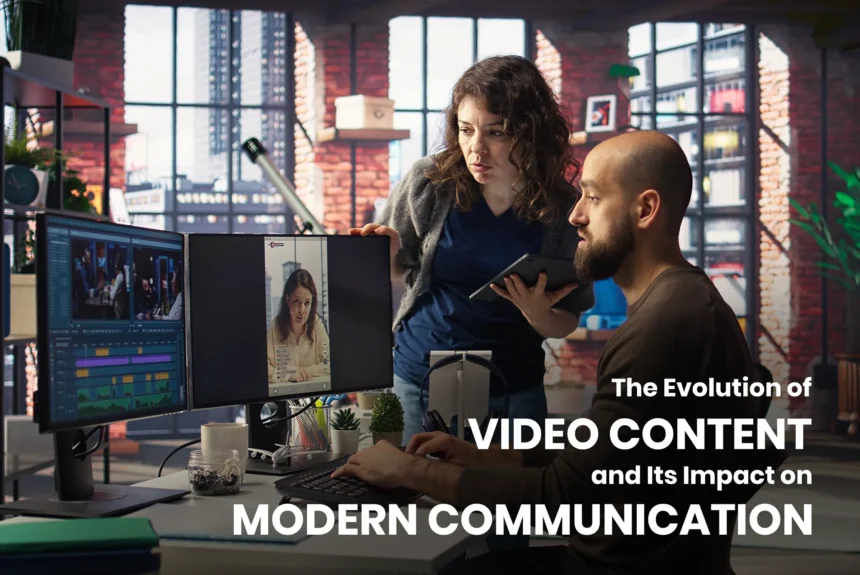
A professional Video Editor is responsible for organizing footage into a clear, engaging structure that maintains audience attention. Editing affects pacing, emotional tone, narrative flow, audio consistency, visual quality, and overall professionalism.
Even well-recorded footage can feel ineffective if editing is poorly executed.
Modern editing includes several technical and creative functions:
- Organizing and trimming footage
- Improving pacing and scene transitions
- Correcting color and lighting inconsistencies
- Enhancing audio quality
- Adding subtitles and graphics
- Maintaining storytelling clarity
Audience retention is highly dependent on editing quality. Videos that feel too slow, repetitive, or visually disorganized often lose viewers quickly.
Artificial intelligence is also changing post-production workflows. AI-powered tools now assist with automated subtitle generation, voice cleanup, scene detection, and basic editing automation. These technologies improve efficiency while reducing production time.
Despite automation, creative storytelling remains heavily dependent on human judgment and audience understanding.
The Business Value of Video Content
Video has become one of the highest-performing forms of digital communication because it supports multiple business goals simultaneously.
Strong video strategies improve:
- Brand visibility
- Customer engagement
- Website traffic
- Search engine performance
- Audience retention
- Product understanding
- Social media interaction
Search engines increasingly prioritize websites containing video because users spend more time engaging with visual content. This improves search rankings while increasing session duration.
Businesses also benefit from content repurposing. A single long-form webinar can later be divided into educational clips, social media content, advertisements, training material, and customer support resources.
This makes video one of the most scalable forms of digital content production.
The Rise of Personalized and Interactive Video
Modern audiences increasingly expect personalized digital experiences. This trend is influencing how video content is created and distributed.
Interactive videos allow viewers to engage directly with content through clickable elements, customized learning paths, embedded purchases, and real-time audience participation.
Businesses also rely heavily on viewer analytics to improve performance. Metrics such as watch time, click-through rates, viewer retention, and engagement patterns help creators optimize future content strategies.
In education and professional training, personalized video systems improve learning outcomes by adapting content delivery based on user behavior and progress.
This growing demand for customization is expected to shape the future of digital communication significantly.
The Future of Video in the Digital Economy
Emerging technologies such as artificial intelligence, augmented reality, virtual production systems, and immersive media experiences will continue transforming video production and consumption.
Businesses are increasingly shifting from isolated campaigns toward long-term content ecosystems designed to maintain continuous engagement with audiences.
Instead of producing occasional promotional videos, organizations now focus on building extensive video libraries that educate, inform, entertain, and strengthen customer relationships over time.
Video is no longer simply a marketing trend or entertainment format. It has become one of the primary communication infrastructures of the modern digital economy.
As online competition continues increasing, the organizations that succeed will likely be those capable of combining technology, storytelling, audience understanding, and production quality into meaningful visual communication strategies.