
Open Instagram for a moment and start scrolling. Just a few seconds is enough. A photo shows up. Then a reel. Then another reel from someone you do not even remember following. After that, maybe a meme. Then a travel clip. Then something from a creator you forgot about a long time ago.
At first, it feels random. Almost messy. But it is not really random. While people scroll, the platform is quietly watching reactions. A like. A comment. How long someone stays on a video before moving on. Even small things like that matter.
Most people never stop to think about it, but those reactions slowly shape what appears next. This is how Instagram likes influence the content people see while scrolling through their feeds. It keeps adjusting based on how people respond. And it keeps doing that all the time.
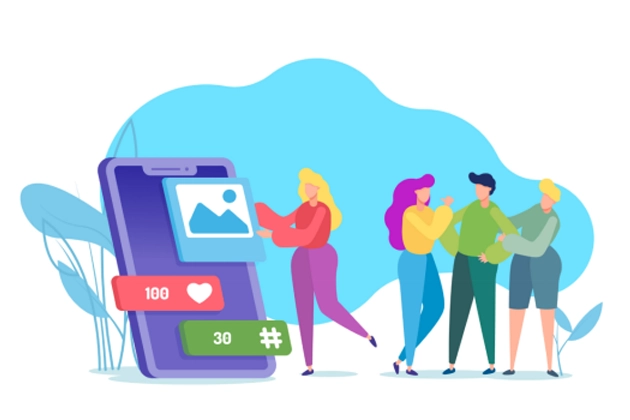
It looks small. Just a quick tap on a screen. Yet when thousands of people react in the same way, the platform begins to treat that post differently. And suddenly that post starts showing up everywhere. Sometimes it reaches followers. Sometimes it reaches much further than that. Which is why two posts from the same creator can perform completely differently. The difference usually begins with engagement.
The Idea Behind Instagram Feed Ranking
Years ago, Instagram mostly showed posts in time order. If someone posted a photo, it appeared near the top of the feed for followers. That system slowly changed.
Now, the platform pays more attention to interaction. When people react quickly to a post, the system interprets that as interest. A strong reaction can push the content further into other feeds.
Several signals play a role here. Likes happen first. They are quick and effortless. Comments require a little more effort. Someone has to stop and type something. Saves show that a viewer wants to return to the content later. And watch time becomes important when video is involved.
Still, engagement does not always behave in perfect patterns. Sometimes a post gathers plenty of likes yet never reaches beyond the original audience. Other times, a reel spreads widely even though the visible numbers look smaller.
Breaking Down Instagram Engagement Metrics
Likes As The First Signal
Likes are often the first reaction a post receives. Someone double-taps the image. The like count increases. The next viewer might do the same thing a second later.
Because this action is so easy, likes usually build quickly. A post that collects many likes in the first minutes sends a signal that viewers enjoy it. But likes alone do not explain everything.
Sometimes you see a photo with a lot of likes. Looks impressive at first. Still, it does not always reach very far. The reach stays small for some reason. That happens more often than people expect. And sometimes a smaller post reaches more for reasons that are not immediately obvious.
Comments And Conversations
Comments take more effort. Most viewers stay quiet. They watch and move on. But when something really stands out to them, that is when comments start appearing. Maybe the post made them laugh. Maybe they want to ask a question.
Once a conversation starts, the post stays active longer. Each new comment keeps the discussion moving.
Some posts develop long threads of replies. Others stayed quiet even if many people liked them.
A lot of it comes down to the audience. And also the kind of content being shown. Different communities respond differently, so reactions can vary quite a bit.
Saves And Long Term Interest
Saves are harder to notice because they are not visible to everyone.
But they often signal something important.
When someone saves a post, they plan to come back later. That means the content offered some kind of value. It could be many things. Sometimes a guide. Sometimes a recipe. Other times just a list or a quick tutorial.
Carousels often benefit from this behaviour. People swipe through several slides and then save the post to read again.
Many creators believe that saves play a strong role in Instagram engagement metrics when the system decides how long a post should remain active.
Watch Time For Video Content
Video content behaves differently. Reels care a lot about how long people watch. Not just the view. The time.
If viewers stay until the end of a video, the platform notices that. It usually means the clip managed to keep their attention. And when that happens, the system often treats the content as something worth showing again.
Completion rate matters here. Sometimes viewers even watch a video more than once. Repeated viewing can increase the strength of the signal.
Creators often notice something unusual when checking analytics. A reel may start slowly and then suddenly gain reach later in the day.
At first, that seems strange. But it often means viewers continued watching the video for longer than expected.
A Simple Formula Analysts Often Use
Marketing analysts often use a simple way to estimate engagement.
EngagementRate=Likes+Comments+SavesReach×100Engagement Rate = \frac{Likes + Comments + Saves}{Reach} \times 100EngagementRate=ReachLikes+Comments+Saves×100
This formula compares interaction with the number of people who actually saw the post.
Understanding The Parts Of The Formula
Each element inside the formula represents a different type of reaction.
- Likes show quick approval.
- Comments indicate deeper interaction.
- Saves suggest the viewer found lasting value.
- Reach tells us how many people saw the content.
When engagement grows faster than reach, the engagement rate increases. That usually means the audience responded strongly to the post. But numbers do not always explain everything.
Sometimes a post performs well even with modest engagement simply because the topic connects with a wider audience.
Comparing Photos And Reels
Different post formats create different engagement patterns.
| Photo | Likes and comments | Moderate |
| Carousel | Saves and repeat views | High |
| Reel | Watch time and shares | Very high |
Reels operate differently. They often reach users who have never followed the creator before.
Why Reels Often Spread Further
Reels benefit from discovery features inside the platform.
When viewers watch a video until the end, the system recognises that attention. If many people behave the same way, the reel may appear in additional feeds.
Shares also matter. When someone sends a reel to friends, the content receives another layer of engagement.
And sometimes a reel continues spreading hours after it was posted.
Which surprises many creators the first time they see it.
Patterns Seen In Instagram Analytics
Creators who check analytics dashboards often notice repeating patterns. Posts with strong saves tend to remain visible longer. Reels frequently reach users who do not follow the creator.
Photos rely more heavily on the existing audience. Another interesting pattern appears occasionally.
A post may start slowly but gain momentum later in the day. Once engagement increases, the system sometimes begins showing the post to more viewers again.
These patterns are often discussed when analysts examine Instagram engagement metrics to understand how distribution works.
Not every account experiences the same results, though. Audience behaviour can vary widely.
Looking Again At The Role Of Likes
Likes still matter. They may not be the only signal guiding distribution, but they remain one of the earliest indicators that a post is connecting with viewers.
When many people react quickly, the platform notices. And over time, it becomes easier to understand how Instagram likes influence content across feeds.
Instagram feeds are shaped by interaction. On these platforms, every little reaction matters. A like. A comment. Even though someone watches a post before scrolling away.
All of that quietly affects how far a post reaches. Photos, carousels, reels… they all create different kinds of reactions from viewers. Some posts remain within a small group of followers while others expand beyond that circle.
Although the platform continues evolving, one thing remains clear. Audience reactions quietly guide which posts appear on screens each day.
Understanding these patterns does not guarantee that every post will spread widely. But it helps explain why certain content keeps appearing while other posts fade away.