

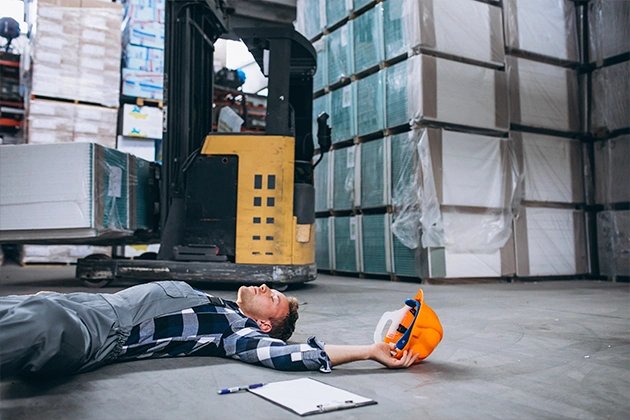
Slip and fall incidents don’t look complicated at first glance. Someone loses balance, and an injury follows. But who was responsible for the incident? Liability in slip and fall cases is determined by the condition of the area, who owned or managed it, hazards that were known or should have been known, and what was done about it.
Responsibility is typically reviewed through basic premises rules. Legal discussions around slip and fall incidents also tend to focus on conditions that led to a fall. If you or a loved one has recently experienced a slip and fall accident, read on to get clarity on property-related responsibility. A slip and fall lawyer in Las Vegas can assess your claim, help you understand your rights, and secure fair compensation for your injuries.
What Counts as a Slip and Fall Hazard?
A slip and fall hazard is a condition that increases the risk of losing balance. Wet floors are common. So are uneven walkways, loose flooring, poor lighting, and broken steps. However, these conditions matter only when they pose a real risk.
How long a hazard existed makes a difference. A spill that happens moments before a fall is treated differently from one that remains unattended. Visibility also plays a role. A hazard that is difficult to notice is more likely to raise responsibility concerns than one that is clearly visible.
Who Was Responsible for the Area?
In slip and fall cases, the responsibility typically hinges on the individual or organization responsible for maintaining the area where the accident occurred. It is not always the property owner who is responsible.
Several people could be responsible for different spaces on the property. A landlord may own the building, a tenant may manage the interior, and a separate company may be responsible for cleaning or maintenance. So, when someone falls, the first practical question is, who was responsible for that specific area that day? Is it just one person, or are there multiple defendants?
When Was the Issue Noticed?
Responsibility often depends on when the hazard was noticed. Sometimes, the hazardous conditions are noticed and reported right away. However, certain conditions go either unnoticed or unreported for a long period of time. For instance, a damaged surface left unaddressed for days is viewed differently from a condition that emerged just moments before a fall.
In busy locations, regular checks are expected, and timing often becomes central to how responsibility is assessed.
When Is Liability Reduced or Shared?
Not every fall creates responsibility. Some hazards are obvious, and certain risks are very clear. Courts often consider what a reasonable person would have noticed in similar situations.
Personal conduct also matters while determining liability. If the person was distracted, wore unsuitable footwear, ignored warnings, or chose unsafe paths, they may be partially responsible for the incident.
That said, slip and fall incidents often involve more than one contributing cause.
Why Evidence Matters
In slip and fall cases, evidence matters more than opinions. Photos taken soon after the incident show the conditions during the accident. Incident reports and maintenance records help establish what hazards were known and when. Witness accounts and video footage are also crucial.
When evidence is missing, accounts rely on recollection. Over time, details fade, and stories differ. That uncertainty weakens both claims and defenses.
In essence, consistent documentation does not decide outcomes on its own, but it strongly influences how credibility is assessed.
Common Misunderstandings About Responsibility
Many people assume liability is automatic; it is not. Others assume injuries must be severe for a claim to be viable. That is also untrue.
Furthermore, some injuries develop slowly. This includes back pain, joint issues, head injuries, etc. Delays in seeking treatment also complicate assessment. When incidents are not documented early, linking the injury to the incident becomes more difficult.
Another misunderstanding is that these cases are straightforward. However, they depend on many factors, including lighting, foot traffic, weather, maintenance schedules, etc. Every detail matters.
Final Thoughts
Liability is not about blame; it is about preventability. Could the condition have been addressed sooner? Was the risk reasonable?
These questions guide decisions around liability. They apply across settings, including commercial and residential properties.
Understanding these crucial aspects of slip and fall cases will help you manage expectations after an accident. Assessing all the details clearly will ensure you understand your responsibilities and take appropriate action.