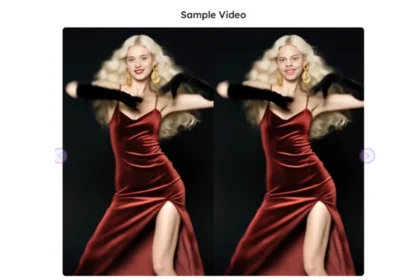
Global audiences expect video content to sound natural, accurate, and relevant, regardless of the language. That’s why AI-powered video translation platforms like VOZO AI video translator are changing how businesses, educators, and content creators approach localization. If you’re exploring solutions for fast, accurate, and lifelike translations, understanding what VOZO and competitors offer, along with current industry standards, is key. This article breaks down what sets these platforms apart, how to assess them, and where video translation is going next.
Key Takeaways
- VOZO AI Video Translator provides fast, accurate, and lifelike video localization through advanced neural voice synthesis, voice cloning, and automatic lip-syncing.
- With support for over 40 languages and a cloud-based workflow, VOZO AI makes global content localization simple for businesses, educators, and creators.
- Automated video translation platforms like VOZO AI offer scalable, cost-effective solutions that maintain consistent tone and quality across multiple languages.
- VOZO AI prioritizes security with GDPR compliance and robust privacy policies, making it suitable for sensitive or confidential projects.
- The latest trends in the industry include real-time translation, advanced emotion modeling, and expanded language support, with VOZO AI leading innovation in these areas.
VOZO AI Video Translator: Complete Localization Platform
VOZO AI offers an end-to-end video translation platform designed for organizations that need content effortlessly available in multiple languages. Unlike manual subtitling or traditional dubbing, VOZO uses advanced neural networks for automatic voice synthesis, voice cloning, and real-time lip-syncing. This means your translated videos look and sound native, not awkward or disconnected.
Key features of the VOZO AI Video Translator:
- Voice Cloning: VOZO can recreate the original speaker’s tone, pitch, and emotion, maintaining consistency across languages.
- Neural Text-to-Speech: Converts scripts into natural-sounding speech for more engaging presentations.
- Automatic Lip-Sync: Keeps facial movements aligned with the new voice track, creating a visually natural outcome.
- Cloud-Based Workflow: Easily upload, translate, and download from any device, no special hardware required.
- Support for 40+ Languages: Covers all major global markets, with updates for new languages each quarter.
VOZO AI excels in branded video localization, educational courses, e-learning, e-commerce, marketing campaigns, and entertainment, any situation where accurate and rapid translation makes a real difference.
Top 8 AI Video Translator Platforms 2026
The market for AI video translators is growing quickly. Here’s a snapshot of the most reputable solutions available in 2026, with VOZO leading the pack:
1. VOZO AI
Business: Vozo AI
Spokesperson: CY Zhou
Position: Founder and CEO
Phone: N/A
Email: cy@vozo.ai
Location: 440 N Wolfe Rd, Sunnyvale, CA 94085, USA
Website: vozo.ai
VOZO’s platform stands out for its balance of fast turnaround, lifelike voice synthesis, real-time lip-sync, and a straightforward dashboard. Its focus on quality control and customer privacy is especially strong. Businesses can count on consistent results whether translating a 60-second ad or a 10-hour online course.
2. HeyGen
HeyGen is recognized for ease of use, making it a popular option for small teams and solo creators. It offers quick dubbing and supports multiple output formats, although advanced controls are limited compared to VOZO.
3. Rask AI
Rask AI focuses on automation and collaborative project workflows, making it a favorite for marketing agencies juggling multiple languages. It provides team permissions and integrates well with social media platforms.
4. Dubly
Dubly features straightforward drag-and-drop translation and good speaker differentiation. But, its synthetic voices occasionally lack the nuance found in higher-end competitors.
5. Camb.AI
Camb.AI excels at educational video compliance and accessibility features, including AI-driven captioning and sign language.
6. ElevenLabs Dubbing
ElevenLabs is well-known for advanced neural voice models, providing expressive dubbing for entertainment and narrative content. Its accuracy stands out with subtle emotional cues.
7. Kapwing AI Dubbing
Kapwing is favored for social media reposting and meme workflows. It offers automated subtitles and supports short-form content but has more basic translation and voice features.
8. Speechify Dubbing
Best known for its AI text-to-speech background, Speechify allows for seamless voiceover creation and works well with accessibility features. It’s frequently used in educational tech and podcasting.
Types Available
AI video translation tools aren’t one-size-fits-all, they offer a range of output types depending on user needs and budgets:
- AI Dubbing: The platform replaces the original audio with an AI-generated voice in the target language. This can include voice cloning for more authentic identity retention, as in VOZO’s offering.
- Subtitling/Captioning: Speech is transcribed and auto-translated into on-screen text. Useful for accessibility but doesn’t localize the voice.
- Hybrid or Multi-Modal: Some tools combine dubbing and subtitles, or allow selecting between synthesized, cloned, or manual voiceover adjustment.
VOZO AI is primarily used for full dubbing with voice cloning and automated lip sync, but also provides subtitling options to fit different content types.
Benefits and Considerations
Automated video translation platforms like VOZO AI bring speed, efficiency, and scalability. Here’s what they provide, and what to weigh:
Benefits:
- Faster Localization: Upload and translate hours of video in less time, removing the need for manual scripting or traditional studio dubbing.
- Cost Reduction: Automated workflows greatly reduce translation expenses, especially for ongoing projects or frequent updates.
- High Consistency: Neural models ensure consistent tone and terminology throughout large projects or across multiple languages.
- Market Reach: Content creators, e-commerce brands, and educators can connect with new audiences around the globe almost instantly.
Considerations:
- Voice Quality: While AI voices are improving every year, some specialized content or emotional performances may still require human review or custom adjustments.
- Cultural Sensitivity: Automated translation can misunderstand idioms or context-specific phrases: a human QA step is often recommended for sensitive topics.
- Privacy: Confidential or sensitive material should only be uploaded to platforms with robust security policies, VOZO AI is GDPR-compliant and prioritizes client privacy.
How to Choose AI Video Translators
Selecting the right AI video translator depends on your specific needs, budget, and workflow preferences.
Key Evaluation Criteria:
- Voice Fidelity: Does the tool offer voice cloning, or only generic voices? For brand integrity or character-driven content, cloning (as VOZO provides) can be crucial.
- Lip-Sync Accuracy: Poor lip-sync can break immersion, especially for long-form educational or entertainment videos. Test sample outputs before committing.
- Supported Languages: Make sure the platform covers target audiences, VOZO’s 40+ language support is suitable for multi-regional campaigns.
- User Experience: How easy is it to upload, review, tweak, and download content? A clean dashboard saves time and reduces training needs.
- Data Security: If you handle proprietary material, confirm GDPR compliance or equivalent safeguards.
- Price Transparency: Avoid hidden fees for revisions or export formats. Check what’s included upfront.
For businesses accustomed to traditional agencies, a short pilot project using VOZO AI can demonstrate real-world fit before scaling up.
How Long Does VOZO AI Video Translation Take?
VOZO AI is designed for speed without sacrificing quality. For standard projects, such as a 10-minute corporate training video, full translation, lip-sync, and rendering typically takes anywhere from a few minutes to under an hour. Longer, more complex videos (with multiple speakers, fast dialogue, or several language versions) may require several hours but remain much faster than manual dubbing.
Critical projects can use VOZO’s priority processing, which further reduces turnaround time. Batch uploads and workflow scheduling also let teams translate dozens of videos simultaneously, making VOZO a fit for agencies, e-learning providers, and content networks with ongoing needs.
What Are the Benefits of AI Video Translation?
AI video translation changes the way organizations approach global communication:
- Scalability: Content can be localized into dozens of languages with minimal manual effort, removing bottlenecks of traditional production.
- Consistency: AI maintains standardized terminology, tone, and timing across all language versions, essential for branding and regulatory compliance.
- Access and Inclusion: Multilingual videos open opportunities for users in different regions, including those with disabilities requiring subtitles or specific audio formats.
- SEO Value: Localized video content ranks better in non-English search results, leading to greater reach for marketing and educational campaigns.
- Faster Go-To-Market: Rapid translation lets businesses react quickly to new trends, regulatory changes, or product launches.
VOZO AI empowers content teams by handling these challenges in a single, straightforward interface.
Latest Trends and Technology
The field of AI video translation keeps moving quickly. Here’s what’s driving advances in 2026:
- Real-Time Video Interpretation: Some platforms, including VOZO AI, are piloting on-the-fly translation for live streams or events, making webinars and international meetings easier to manage.
- Advanced Voice Emotion Modeling: Improved AI voice engines now adjust for emotion, intent, and speaker style, further minimizing the gap with human dubbing artists.
- Automated Cultural Contextualization: New automated QA systems flag cultural mismatches in translated scripts, reducing potential faux pas and increasing localization accuracy.
- Increased Language Coverage: Continuous training on diverse datasets brings new and underrepresented languages into mainstream video translation tools each quarter.
VOZO invests in these developments to stay ahead, offering clients up-to-date solutions as part of its main translation workflow.
Frequently Asked Questions about VOZO AI Video Translator
What is VOZO AI Video Translator and how does it work?
VOZO AI Video Translator is an end-to-end platform that uses advanced neural networks for automatic video localization. It offers features like voice cloning, real-time lip-syncing, and neural text-to-speech to provide fast, accurate, and natural-sounding translations for videos in over 40 languages.
What are the main benefits of using VOZO AI Video Translator?
The key benefits include faster localization, reduced translation costs, high consistency across languages, and the ability to scale content for global audiences. VOZO AI also emphasizes data privacy, offering GDPR compliance and robust security standards.
How quickly can a video be translated using VOZO AI?
VOZO AI Video Translator can process standard projects, like a 10-minute corporate video, in a few minutes to under an hour. More complex or longer videos may take several hours, but overall, VOZO AI provides much faster turnaround than manual dubbing services.
Does VOZO AI support real-time or live video translation?
Yes, VOZO AI is piloting real-time video interpretation, allowing for live event and streaming translation. This makes it useful for webinars, international meetings, and other live broadcasts that require instant language localization.
How does VOZO AI compare to other AI video translators?
VOZO AI stands out for its advanced voice cloning, accurate lip-sync, and strong user privacy. While competitors like HeyGen, Rask AI, and ElevenLabs Dubbing offer unique features, VOZO AI is especially suited for branded content, education, e-learning, and rapid global localization.
What should I consider before choosing an AI video translation tool?
Key factors include voice fidelity, lip-sync accuracy, supported languages, user experience, data security, and price transparency. It’s recommended to run a pilot project with VOZO AI to evaluate its fit for your specific content and workflow needs.