Running a warehouse that’s finally gaining momentum? Then you’re familiar with the growing tension: your order volume keeps climbing while inventory is growing faster than you have floor space. The building that once may have seemed huge suddenly starts looking too small.
Expansion is the obvious fix. But new square footage, construction crew, permits, and the inevitable downtime all cost a fortune, which most growing warehouses don’t have. The good news is, scaling operations doesn’t have to start with tearing down walls. With the right pallet racks, you can increase capacity, efficiency, and control at a fraction of the cost of a full renovation. Here’s how.
Growth Pressure Doesn’t Always Require More Space
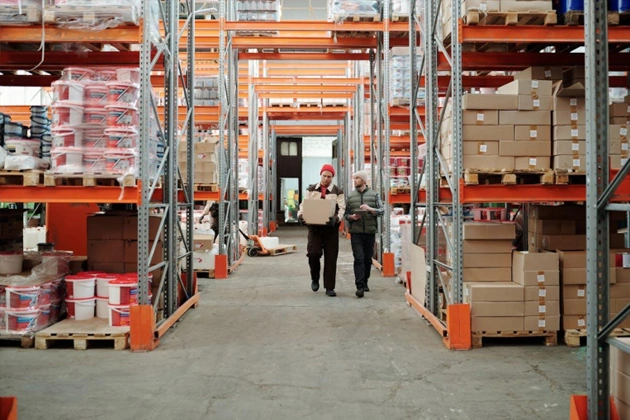
When warehouse capacity hits its limit, the problem often isn’t the building but how the space is used. Many facilities operate far below their vertical potential or rely on layouts that no longer fit current inventory profiles. Durable pallet racks add to storage density without disrupting daily operations. Instead of expanding outward, you scale upward and smarter.
The numbers support this approach. According to the Warehousing Education and Research Council’s annual DC Measures benchmarking reports, average warehouse capacity used is one of the top metrics for facilities, which shows how effective storage strategies (like pallet rack optimization) drive operational performance and utilization. According to some industry reports, vertical optimization alone can increase storage capacity by 30–40% in many facilities, without adding a single square meter.
Flexibility Matters More Than Permanence
Rigid layouts can lock you into yesterday’s assumptions. After all, product dimensions change, SKU counts multiply, and order profiles shift from pallet-in, pallet-out to mixed-case or piece picking. Durable pallet racks give you the flexibility to adapt as those variables move.
Adjustable beam levels allow reconfiguration without replacing entire systems. This way, you can accommodate taller pallets during peak seasons, then tighten spacing later to improve pick density. And when it’s time to integrate automation, modular designs make it easy to do so because they allow you to create space for conveyors, pick modules, or autonomous vehicles.
That flexibility also supports phased growth. You invest incrementally instead of betting big on a single expansion plan that may or may not match reality six months later. It’s a more cost-effective effective plan.
Vertical Space As A Growth Opportunity
Most warehouses underuse height, even when ceilings allow it. Structural pallet racks rated for higher load capacities let you stack safely and compliantly while keeping aisles accessible and workflows predictable. The result isn’t just more storage. It’s smoother material flow.
Higher stacking reduces travel time for forklifts, minimizes congestion, and shortens pick paths when paired with thoughtful slotting. Plus, because durable systems maintain alignment under load, you reduce the risk of rack damage that quietly erodes efficiency over time.
Also, according to OSHA, damaged or improperly installed racking contributes to thousands of warehouse incidents each year. So when you invest in robust systems you’re not just investing in scale, but protecting your people and inventory, as well.
Layout Compatibility Keeps Operations Agile
Warehouse growth typically doesn’t follow a straight line. One year favors bulk storage. The next demands faster fulfillment and more pick faces. Durable racks work across layouts, whether you run selective racking, narrow aisle, or hybrid configurations. That compatibility allows leaders to adjust operational strategy without rebuilding infrastructure.
This is why good pallet racking systems also act as an operating platform. You design around throughput, labor constraints, and service levels, not around fixed storage limits.
Reliable suppliers matter here. Storage Rack, for example, earns trust by offering systems that integrate cleanly into existing warehouses and scale without forcing redesigns. That consistency reduces risk when you expand in stages.
Cost Control Shows Up In Unexpected Places
Avoiding construction costs is the obvious win. But durable pallet racks also cut expenses in less visible ways. Better organization reduces inventory damage, clear access lowers handling errors, and predictable layouts improve training speed for new staff (no small thing when labor markets tighten).
And maintenance costs drop when racks resist wear, deflection, and impact. Cheap systems look fine on paper. But they cost more over time.
Scaling Without Disruption Keeps Customers Happy
Construction disrupts operations. Even minor renovations introduce delays, safety risks, and productivity dips. Reconfiguring pallet racks avoids most of that. Adjustments happen aisle by aisle, operations continue, and orders ship as usual.
That continuity matters when customer expectations keep increasing. Late shipments often erase the gains of expansion, if you think about the long-term outcome. Scalable racking lets you grow capacity while preserving service levels, which is often the real constraint.
Planning Ahead Pays Off
Durable pallet racks work best when paired with deliberate planning. Load ratings must match real weights, not optimistic averages. Aisle widths should reflect current equipment and future automation plans. And rack protection deserves attention early, not after the first impact.
Growth exposes weaknesses quickly. Strong racking absorbs that pressure without forcing emergency fixes.