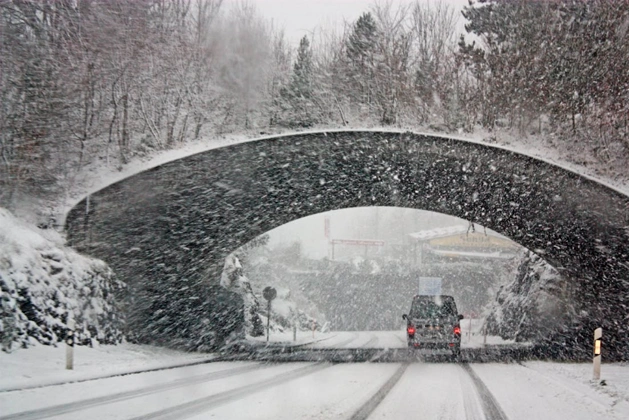
No one honestly likes harsh weather; it leads to car crashes, it results in a major lack of safety, but at the same time, life goes on. Not only does life go on, but business still needs to continue, as customers and clients still have expectations. But at the same time, here, running a business through extreme weather is one of those things that sounds manageable until it actually happens. So, everything’s fine, the day starts normal, customers are coming in, staff are doing their thing, and then the forecast shifts, the temperature drops hard, or the heat climbs, and the grid starts wobbling (and that might be the nicest way to put it).
And then the next thing you know, pipes are threatening to freeze, the front walkway’s an ice rink, the building feels like a fridge, or the AC is getting worse, and the lights flicker at the exact moment the payment system decides it needs “just one more update.” Now, sometimes, all of this bad weather gets announced in advance, usually days in advance, but not always, of course.
And sure, people talk about “being prepared,” but most businesses don’t sit around daydreaming about ice storms or power outages. Instead, they’re trying to make payroll, keep customers happy, and not lose their minds over inventory counts. But if extreme weather could happen, then it’s for the best to just try and prepare here. You would do what you could to prepare for your home and family, right? Well, your business is your livelihood, and sometimes, work still has to continue, meaning that you still need to work, so there still needs to be something done here.
What will Actually Break First?
So, before getting into bigger upgrades, it helps to look at what usually fails first during extreme temperatures, because it’s rarely the thing that feels “major.” Just think about your home, what tends to mess up the second that there’s any sort of extreme danger? Well, for both businesses and homes, it’s going to be fairly similar, like pipes, seals, door closures, roof drainage, HVAC filters, an overloaded panel, and a single drafty entry that makes the whole building harder to heat.
It’s also operational, like staff not knowing who to call, customers not knowing what’s open, and equipment that gets finicky when it’s too cold or too hot. So, at least when it comes to this, the first move is walking through the building like someone who’s trying to break it. No, very rarely during bad conditions will people try to vandalize, but it does help to show some weak spots. Meaning that you need to check doors and windows for drafts. Look at exposed piping, especially near exterior walls and unheated areas.
What’s the Water Situation?
Plus, it seriously helps here to just pay attention to where water sits outside during rain (and if you can check with snow and ice that helps too), because standing water turns into ice, and ice turns into liability. Plus, you need to look at the electrical panel situation too, because a lot of businesses find out the hard way that their setup is already maxed out before adding any backup power options, which is honestly scary if you think about it.
It’s the stuff that keeps the place functioning when the weather stops cooperating, and a lot of businesses only find out about all of this once the weather gets really bad. Sure, sometimes you don’t know what will happen until it’s too late, because you can’t predict, but it’s still important to just try and figure out what you can, and inspect what you can before bad weather and bad temperature take a hit.
Look into Backup Power Options
This is the part people jump to first: generators, batteries, solar, the big solutions. Granted, it’s all a great idea here, honestly, it really is. But the key is matching the solution to the business, because buying the wrong backup system is just an expensive way to stay unprepared. And that’s the scary part here, because there’s this assumption that almost anything will be totally fine. While generators are a common choice because they’re straightforward, they kick in, they power the essentials, and they’re proven.
Now, wouldn’t that be the best choice then? Well, they still require maintenance, fuel planning, and safe operation. A generator that won’t start is basically a really loud one, and at that point during an outage, it’s a massive waste of space here.
Solar can be part of a resilience strategy too, especially when paired with storage, and working with a reputable solar power company can help a business design a setup that supports critical loads instead of just lowering a bill on sunny days. Now, you just have to keep in mind that there is a bit of an investment (some people are super reluctant about it) when it comes to solar energy, but it does prove to be worth it.
But you also need the battery system as well to store some energy. It’s a whole system, and again, there’s an investment, but over time it does pay off, especially when there are outages. It’s gotten to the point where theres outages in hot weather and cold temperatures, and with data centers, and unexpected events, this could get worse. So it’s best to just prepare.
Protect What’s too Expensive to Replace
Weather events don’t only stop business, they damage things. For example, here, inventory can be ruined by temperature swings. Plus, equipment can fail from cold stress or overheating (if it can happen to a car, yes, it can happen to your equipment, too). Plus, you need to keep in mind that water intrusion can destroy the product and create mold issues that take forever to resolve.
So protection here is practical. You absolutely need to keep inventory off the floor in storage areas where flooding is possible. Use temperature monitoring for fridges, freezers, and storage rooms, so it’s obvious when conditions drift. But of course, this just depends on your business, because this might not even be necessary.
Don’t Forget About Communication
Some businesses just need to stay open, no matter how bad the weather is. Grocery stores are a great example; the same goes for drug stores, and there are plenty of other examples, too. But if your business doesn’t need to be open, then you don’t have to leave it open.
But if you do decide to close, like due to a power outage or horrible weather, where no one can get to the store, just make sure you make it clear that it’ll be closed. Usually, it’s as simple as just posting on social media and updating Google My Business, or even a mass email.