

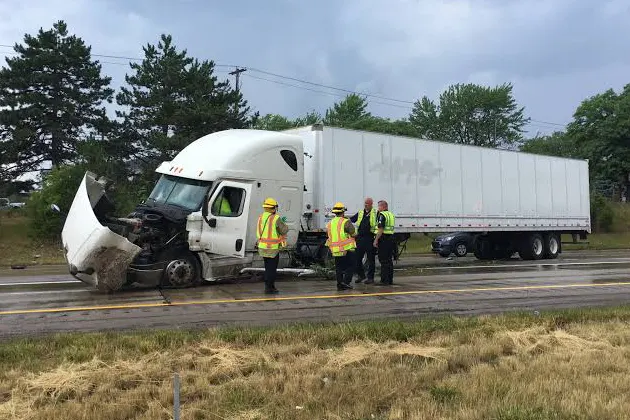
Raleigh, North Carolina, sits at the center of a busy regional transportation network where commercial trucks share major roads with commuters, local drivers, and travelers. When a serious collision involves a large truck, an injured person may suddenly face medical treatment, time away from work, vehicle repairs, and difficult conversations with insurance companies. The legal path depends on how the crash occurred, who it involved, and what records support the claim. A truck driver may be responsible, but a carrier, maintenance provider, cargo company, or another party may also need closer review.
For people considering Raleigh truck accident legal options, understanding where compensation may come from can make the next steps easier to assess. Preserving medical records, wage information, crash documentation, and other evidence can also help clarify the extent of the losses. Legal guidance can help victims examine potential claims and decide how to move forward with greater confidence.
Pursue An Insurance Claim
A truck accident claim often begins with the insurer covering the commercial vehicle. Large trucks carry high levels of insurance coverage, but insurers do not automatically agree to every claimed loss.
A claimant needs evidence that connects the crash to negligence and documents the resulting damages. Medical records, repair bills, wage records, and other documentation can help establish the financial impact.
People reviewing truck accident legal options should identify each source of compensation tied to the crash. A claim can include vehicle damage, medical expenses, continued treatment, and in-home care. It can also include surgeries, medical devices, lost wages, and lost future wages linked to disability. Clear records help show how each loss relates to the collision.
Identify Every Potentially Liable Party
Truck collisions often involve more than the driver. A trucking company can face responsibility when its employee causes a crash, and company conduct can also matter when maintenance or scheduling contributes to the incident.
Truck drivers can cause crashes through fatigue, distracted driving, speeding, reckless driving, impaired driving, or other negligent conduct. A carrier can also face claims when it fails to maintain a vehicle properly.
Cargo issues create another source of responsibility. Overloaded or unsecured cargo can shift during travel, causing rollovers, jackknife crashes, or loss of control. Different evidence can point to different sources of responsibility.
Seek Compensation For Documented Losses
A serious truck accident claim can involve several categories of damages. Property damage covers the vehicle and other personal property harmed in the collision.
Medical compensation can include emergency care, doctor visits, MRIs, examinations, surgeries, medical devices, and ongoing treatment. A claimant can also seek compensation for necessary in-home care when injuries require ongoing assistance.
Lost income is another consideration. Recoverable losses can include regular pay, bonuses, benefits, and future wages lost because a disability or serious condition limits work.
Pain, suffering, psychological trauma, and emotional distress can also form part of a claim. The available compensation depends on the losses supported by the case.
Prepare Evidence Before The Claim Moves Forward
Evidence can shape how a truck accident claim develops. A claimant should preserve medical records, bills, wage information, vehicle repair documents, and other records connected to the collision.
The cause of the crash also needs careful examination. Prompt records help connect treatment and work losses to the reported injuries.
A legal review can help identify whether counsel should include the driver, carrier, or another responsible party. Trucking companies also have duties involving vehicle maintenance and compliance with federal trucking regulations.
Consider Legal Representation
A serious truck crash can involve substantial injuries, disputed fault, and multiple responsible parties. Legal representation can help organize the claim and address communications with insurers while the injured person focuses on recovery.
Many Raleigh truck accident lawyers work on a contingency basis, so clients pay no fee unless the firm wins. They also state that consultations are free and available 24/7.
The reputable firm may report more than 36 years representing truck accident victims, more than 200,000 families served, and billions of dollars recovered in verdicts and settlements. Those figures should come from their website and reflect their reported history.
Conclusion
After a serious truck accident, legal options usually begin with identifying responsible parties. The claim then requires documented losses and a clear path for pursuing compensation. A case can involve the driver, trucking company, or other parties connected to the crash. Early organization matters because medical bills, wage losses, vehicle damage, and treatment needs require clear documentation. A practical next step is to gather those records and arrange a free case review before making major claim decisions.