
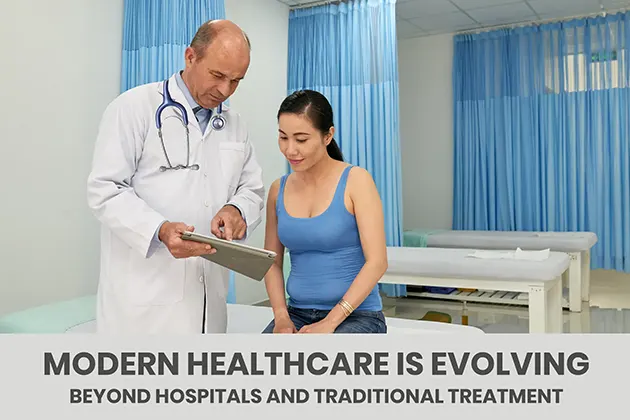
Healthcare has changed more in the last decade than many people expected. What once depended entirely on paperwork, hospital visits, and traditional consultations is now becoming faster, smarter, and more connected.
Patients no longer need to wait weeks for updates, carry files from one clinic to another, or travel long distances for every medical concern. Digital systems, remote monitoring tools, and intelligent software are gradually transforming the way care is delivered.
At the same time, people are becoming more involved in their own health decisions. Families want treatments that fit their lifestyle, medical history, and long-term goals instead of one-size-fits-all solutions. Hospitals and healthcare providers are responding by adopting technologies that improve both efficiency and patient experience.
One major shift has been the growth of home health care services. Many patients, especially elderly individuals and those recovering from surgery, now prefer receiving support in the comfort of their homes rather than staying in hospitals for extended periods. This approach not only reduces stress for patients but also helps healthcare systems manage overcrowding and operational costs.
The healthcare industry is also seeing rapid progress in diagnostics, predictive analysis, and patient-centered treatment models. Artificial intelligence is helping doctors identify diseases earlier, while personalized medicine is changing how treatments are designed for individuals.
Why Patients Want More Convenient Healthcare
Convenience has become one of the biggest expectations in modern healthcare. People are used to digital banking, online shopping, and instant communication, so naturally they expect medical services to become easier to access as well.
Long waiting times, crowded clinics, and repeated paperwork can be frustrating for patients. For someone managing a chronic illness or caring for an aging parent, regular hospital visits can become physically and emotionally exhausting. That is why healthcare providers are exploring solutions that bring care closer to patients rather than forcing patients to adjust their lives around healthcare systems.
Virtual consultations are one example of this transformation. Many hospitals and clinics now allow patients to speak with doctors through video calls for follow-up appointments, medication reviews, and minor health concerns. This reduces travel time and helps people in smaller towns connect with specialists they might not otherwise have access to.
Wearable devices are also becoming increasingly common. Smartwatches and health trackers can monitor heart rate, sleep quality, oxygen levels, and daily activity. Some devices even alert users when abnormal patterns appear, encouraging earlier medical attention.
The Growing Importance of Care at Home
Healthcare providers have started recognizing that recovery often happens better in familiar surroundings. Hospitals are essential for emergencies and complex procedures, but not every patient needs continuous hospitalization. For many people, healing at home can reduce anxiety and improve emotional well-being.
This is where home health care services are making a meaningful difference. Skilled nurses, therapists, and caregivers can now provide medical support directly in patients’ homes. These services may include wound care, physical therapy, medication management, rehabilitation support, and routine health monitoring.
Families benefit as well. Instead of constantly arranging transportation and managing hospital schedules, relatives can stay closely involved in the recovery process while patients remain comfortable in their own environment.
Technology has strengthened this model even further. Remote monitoring systems allow healthcare professionals to track vital signs without requiring daily hospital visits. Devices connected to mobile apps can send real-time health updates to doctors and caregivers, helping them respond quickly if a patient’s condition changes.
For elderly patients, home-based care can also improve independence. Many seniors prefer staying in familiar surroundings rather than moving into assisted living facilities. Access to professional medical support at home allows them to maintain routines and preserve a sense of normalcy.
Another reason these services are growing is affordability. Extended hospital stays are expensive for both patients and healthcare systems. Providing care at home often reduces costs while still maintaining quality treatment and supervision.
Artificial Intelligence Is Changing Diagnosis
One of the most exciting developments in healthcare is the growing role of AI in diagnostics. Artificial intelligence is helping doctors analyze medical information faster and with greater accuracy than ever before.
Traditionally, diagnosing illnesses relied heavily on manual interpretation of scans, laboratory reports, and patient histories. While experienced doctors remain essential, AI tools can assist by processing enormous amounts of data within seconds.
For example, AI systems can analyze medical imaging such as X-rays, MRIs, and CT scans to identify abnormalities that may be difficult for the human eye to detect early. In some cases, these tools can recognize warning signs of diseases like cancer, heart conditions, or neurological disorders before symptoms become severe.
The role of AI in diagnostics is especially valuable in areas facing shortages of medical specialists. Rural clinics and smaller healthcare centers may not always have immediate access to highly trained radiologists or diagnostic experts. AI-supported systems can help bridge this gap by offering preliminary analysis and decision support.
Artificial intelligence is also improving speed. Faster diagnosis often leads to earlier treatment, which can significantly improve patient outcomes. In emergency situations, every minute matters, and AI can help prioritize urgent cases more efficiently.
However, most healthcare professionals agree that AI should support doctors rather than replace them. Medical decisions involve empathy, judgment, communication, and ethical considerations that technology alone cannot fully provide.
Better Data Means Better Treatment
Healthcare generates enormous amounts of data every day, including medical histories, blood reports, prescriptions, imaging results, and lifestyle information. In the past, much of this data was scattered across paper files and different hospitals, but digital health systems now make it easier to organize and access everything in one place.
This improves continuity of care by helping doctors make more informed decisions and reducing unnecessary duplicate tests. Patients also benefit from smoother coordination between specialists, primary care physicians, and therapists.
Data analysis is helping healthcare providers track disease trends, monitor treatment effectiveness, and predict patient risks more accurately. For chronic conditions like diabetes and heart disease, continuous monitoring can reveal early warning signs, while predictive analytics helps healthcare systems plan earlier interventions and better long-term care.
Personalized Medicine Is Becoming a Reality
For many years, medical treatment followed a fairly standardized approach. Patients with similar symptoms often received similar medications or therapies. While this worked in many situations, it did not always account for individual differences.
Today, the future of personalized medicine is moving healthcare toward more tailored treatment strategies. Doctors are increasingly considering factors such as genetics, lifestyle, environment, and medical history when developing treatment plans.
Genetic testing has played a major role in this shift. Researchers can now study how certain genes influence disease risk or medication response. This information helps doctors choose treatments that may work more effectively for specific individuals.
Cancer treatment is one area where personalized medicine has shown strong progress. Instead of relying solely on generalized therapies, doctors can sometimes identify the unique genetic characteristics of a tumor and target it more precisely.
The future of personalized medicine also extends beyond genetics. Wearable technology, lifestyle tracking apps, and digital health records provide additional insights into patient behavior and daily habits. This creates opportunities for healthcare plans that are more preventive and customized.
Patients are becoming more interested in personalized care because it feels more relevant to their individual lives. Instead of simply reacting to illness, healthcare providers can focus on prevention, early intervention, and long-term wellness strategies.
Challenges That Still Need Attention
Despite impressive progress, healthcare technology still faces important challenges:
- Data privacy: Medical records contain highly sensitive information, and healthcare organizations must ensure strong cybersecurity protections to prevent breaches.
- Cost: Advanced technologies can be expensive to implement, especially for smaller clinics and hospitals with limited budgets. Some healthcare systems may struggle to keep pace with rapid technological change.
- Training: Doctors, nurses, and support staff need proper education to use new systems effectively. Technology should simplify healthcare rather than create confusion or additional workload.
- Risk of overdependence on digital tools: While automation can improve efficiency, healthcare remains deeply human. Patients often need emotional support, reassurance, and trust in addition to accurate treatment.
- Access inequality: Urban hospitals may adopt advanced systems quickly, while rural or underserved communities may continue facing limited resources. Closing this gap will be essential for ensuring healthcare innovation benefits everyone rather than only certain populations.
The Human Side of Healthcare Still Matters
As healthcare technology continues to grow, many people worry that medical care could start feeling less personal. However, the best healthcare systems use technology to support doctors and nurses rather than replace them. Patients still value empathy, kindness, and clear communication during treatment and recovery.
Technology works best when it reduces repetitive tasks like documentation, monitoring, and data analysis. This allows healthcare professionals to spend more time focusing on patients, improving both care quality and human connection.
Families play a vital role in patient care, and digital tools now help them stay updated on treatments, appointments, and medications, creating stronger support systems for patients. Healthcare providers also recognize that people value not only good medical results but also care that is accessible, efficient, and compassionate.
What the Future May Look Like
The future of healthcare will become more connected, preventive, and patient-focused. Artificial intelligence, wearable devices, and remote monitoring tools may help detect health problems earlier and reduce unnecessary hospital visits. Technologies like robotics and virtual reality are also expected to improve surgeries, rehabilitation, and medical training.
At the same time, healthcare providers must balance innovation with patient privacy, fairness, and human care. Technology alone cannot replace doctors and caregivers, but when used responsibly, it can make healthcare more accessible, accurate, and personalized for patients and families.
The CEO Views is a leading U.S.-based business magazine recognized for covering emerging trends, groundbreaking innovations, and transformative technologies influencing the global business landscape. The publication offers well-researched and insightful content tailored for entrepreneurs, executives, decision-makers, and industry leaders.
Known for its strong editorial quality and focus on thought leadership, The CEO Views provides valuable business perspectives, market insights, and industry analysis that help readers stay informed in a rapidly evolving corporate world. Its commitment to credibility and impactful storytelling has established the magazine as a trusted voice in modern business media.