

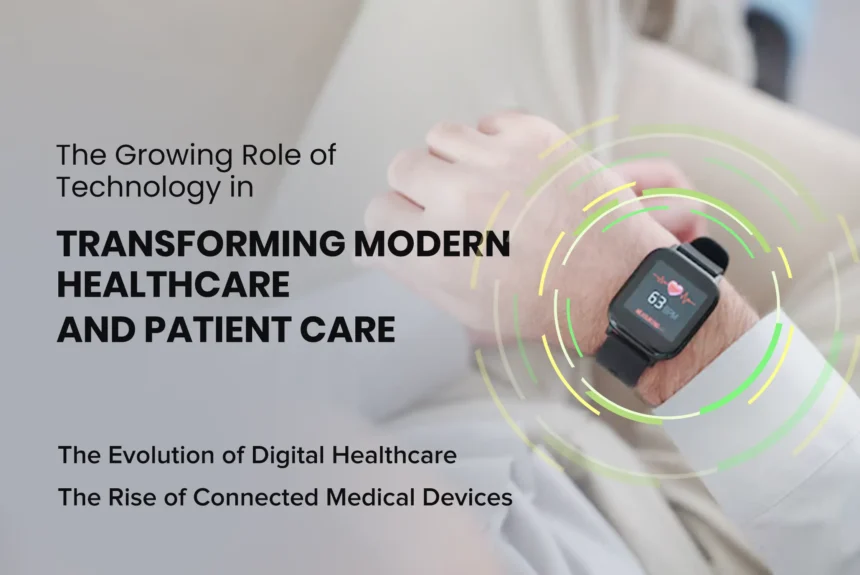
The healthcare industry is evolving rapidly as hospitals, clinics, and healthcare providers adopt digital technologies to improve patient care, streamline operations, and enhance accessibility. From AI-powered diagnostics to remote consultations and connected medical devices, technology is reshaping how healthcare services are delivered worldwide.
At the center of this transformation is the Future of Electronic Health Records (EHR), which is helping healthcare organizations create smarter, more connected, and patient-focused care systems.
Modern healthcare is no longer limited to physical hospitals and paper files. Patients now expect seamless digital experiences, quick access to medical information, and personalized treatment solutions.
Healthcare providers are also looking for technologies that improve efficiency while reducing administrative workloads. As a result, digital transformation has become one of the most important priorities across the healthcare sector.
The Evolution of Digital Healthcare
Over the last decade, healthcare organizations have shifted from traditional systems to data-driven healthcare models. Technologies such as artificial intelligence, cloud computing, predictive analytics, and automation are helping providers improve diagnosis, treatment planning, and operational efficiency.
Telemedicine has also transformed patient access to care. Virtual consultations and remote healthcare services allow patients to connect with doctors from anywhere, improving convenience and reducing pressure on healthcare facilities. This has been especially valuable for patients in rural and underserved communities where access to specialized care may be limited.
Digital healthcare platforms are also improving communication between patients and providers. Online appointment scheduling, digital prescriptions, patient portals, and automated healthcare workflows are making healthcare services faster and more efficient while improving the overall patient experience.
The Future of Smarter Healthcare Systems
Electronic health records have significantly improved the way patient information is managed and shared across healthcare systems. Modern healthcare providers now rely on integrated digital platforms that allow physicians, specialists, pharmacies, and laboratories to access patient data in real time. This connectivity improves collaboration and helps reduce medical errors.
Artificial intelligence is further enhancing healthcare systems by helping providers analyze large amounts of patient data quickly and accurately. AI-powered tools can identify health risks, automate documentation tasks, and support clinical decision-making, allowing healthcare professionals to spend more time focusing on patient care.
Healthcare organizations are also investing in predictive analytics to improve preventive care. By analyzing patient histories and health patterns, providers can identify potential medical risks earlier and develop more personalized treatment plans. These innovations are expected to improve patient outcomes while reducing healthcare costs over time.
The Rise of Connected Medical Devices
Consumers are becoming increasingly proactive about managing their health, leading to the rapid growth of Wearable Health Technology. Devices such as smartwatches, fitness trackers, biosensors, and wearable ECG monitors can now track heart rate, sleep patterns, oxygen levels, glucose levels, and physical activity in real time.
These connected devices are helping individuals better understand their health while allowing healthcare providers to monitor patients remotely. Wearable devices are especially valuable in chronic disease management, where continuous monitoring can help physicians detect complications early and improve long-term patient care.
Beyond hospitals and clinics, wearable technologies are also encouraging healthier lifestyles by helping users monitor fitness goals, stress levels, and wellness habits. As these devices become more advanced, they are expected to play an even larger role in preventive healthcare and personalized medicine.
Artificial Intelligence and Healthcare Innovation
Artificial intelligence is becoming one of the most influential technologies in healthcare innovation. AI systems are helping healthcare professionals improve diagnostics, analyze medical imaging, personalize treatments, and optimize hospital operations.
Machine learning algorithms can identify patterns in medical scans and laboratory results with remarkable speed and accuracy. These technologies are supporting earlier detection of diseases such as cancer, cardiovascular conditions, and neurological disorders.
Automation is also reducing administrative burdens across healthcare organizations. AI-powered systems can assist with billing, scheduling, insurance verification, and patient documentation, allowing healthcare professionals to focus more on clinical care and patient relationships.
Despite these advancements, healthcare experts emphasize that technology should support human expertise rather than replace it. Compassion, ethical decision-making, and clinical judgment remain essential aspects of quality healthcare delivery.
Addressing Security Risks in Healthcare
As healthcare systems become more connected, cybersecurity has become a major concern across the industry. Healthcare Cybersecurity Challenges continue to grow as hospitals, clinics, insurers, and healthcare technology providers rely heavily on cloud systems, connected devices, and digital healthcare platforms.
Healthcare organizations store highly sensitive patient information, making them attractive targets for cybercriminals. Ransomware attacks, phishing campaigns, insider threats, and data breaches can disrupt critical healthcare operations while exposing confidential medical records.
Connected medical devices and remote healthcare platforms also increase the number of potential security vulnerabilities. Healthcare providers must therefore invest in strong cybersecurity strategies, including encryption, multi-factor authentication, continuous monitoring, employee training, and secure software development practices.
At the same time, healthcare organizations must balance innovation with compliance and patient privacy. Maintaining secure and trustworthy digital healthcare environments is essential for protecting patient confidence and ensuring long-term operational resilience.
Cloud Computing and Scalable Healthcare Solutions
Cloud technology has become a key enabler of healthcare transformation. Cloud-based systems allow healthcare providers to access patient information securely from multiple locations while supporting telemedicine, remote work, and collaborative healthcare services.
Healthcare organizations are also using cloud platforms to improve scalability, reduce infrastructure costs, and strengthen disaster recovery capabilities. Advanced analytics tools within cloud environments help providers analyze patient trends, optimize treatment strategies, and improve operational efficiency.
However, cloud adoption also requires strong governance and cybersecurity controls. Healthcare providers must ensure that sensitive patient data remains protected while meeting strict regulatory and compliance requirements.
The Future of Healthcare Innovation
The future of healthcare will be increasingly connected, intelligent, and patient-centered. Technologies such as AI, predictive analytics, cloud computing, telemedicine, and connected devices will continue transforming healthcare delivery across the globe.
As digital healthcare ecosystems evolve, organizations will focus on improving accessibility, enhancing patient experiences, and delivering more personalized care solutions. At the same time, healthcare leaders must continue addressing security, privacy, and operational challenges to ensure healthcare systems remain resilient and trustworthy.
The healthcare industry is entering a new era where technology and human expertise work together to improve lives. Organizations that successfully combine innovation, security, and patient-centered care will help shape the future of global healthcare for years to come.
FAQs
- What is the Future of Electronic Health Records (EHR)?
The Future of Electronic Health Records (EHR) focuses on smarter, AI-driven, and interoperable systems that improve patient care, streamline workflows, and enable secure data sharing across healthcare organizations.
- Why is digital transformation important in healthcare?
Digital transformation helps healthcare providers improve efficiency, reduce paperwork, enhance patient experiences, support remote care, and deliver faster, data-driven medical decisions.
- How does Wearable Health Technology benefit patients?
Wearable Health Technology helps patients monitor important health metrics such as heart rate, sleep quality, oxygen levels, and physical activity in real time, enabling proactive healthcare management and early detection of health issues.
- What role does artificial intelligence play in healthcare?
AI supports healthcare providers by improving diagnostics, analyzing medical data, automating administrative tasks, predicting health risks, and helping deliver more personalized treatment plans.
- What are the biggest Healthcare Cybersecurity Challenges?
Healthcare Cybersecurity Challenges include ransomware attacks, phishing scams, data breaches, insider threats, and securing connected medical devices and cloud-based healthcare systems.
- How does telemedicine improve healthcare access?
Telemedicine allows patients to consult doctors remotely, reducing travel time, improving convenience, and expanding access to healthcare services in rural and underserved areas.
- Why are connected medical devices becoming popular?
Connected medical devices provide real-time health monitoring, support chronic disease management, and help healthcare providers detect potential health issues earlier.
- How can healthcare organizations improve cybersecurity?
Healthcare organizations can strengthen security through encryption, multi-factor authentication, employee training, regular vulnerability assessments, secure software development, and continuous monitoring systems.
- What are the benefits of cloud computing in healthcare?
Cloud computing improves scalability, remote access, collaboration, data storage, disaster recovery, and operational efficiency while supporting digital healthcare services.
- What is the future of healthcare technology?
The future of healthcare technology will focus on AI, predictive analytics, telemedicine, wearable devices, connected healthcare systems, and stronger cybersecurity measures to improve patient outcomes and healthcare accessibility.
The CEO Views is a leading U.S.-based business magazine recognized for covering the latest trends, innovations, and technologies shaping the global business landscape. The publication delivers research-driven content tailored for entrepreneurs, executives, innovators, and business professionals.
With a strong focus on credibility, thought leadership, and editorial excellence, The CEO Views provides valuable industry insights and strategic perspectives that inform and inspire its readers while strengthening its reputation as a trusted voice in business media.