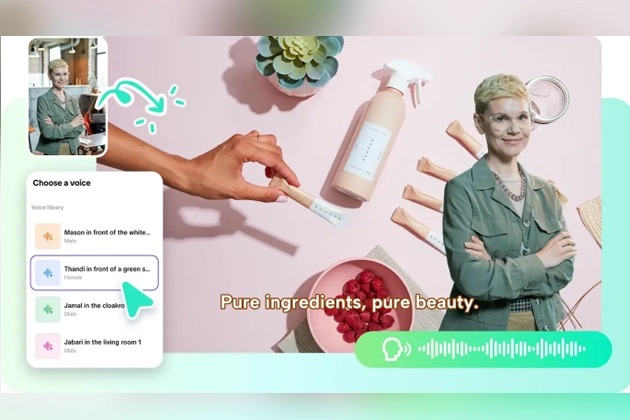
Photos save memories, feelings, and achievements in personal and professional lives. Nevertheless, still images do not always allow viewers to immerse themselves in the narration. Videos involve movement, sound, and storytelling, which turn plain pictures into an immersive experience. There are many untold stories in photo collections of events, travels, campaigns, or portfolios waiting to be revealed. The traditional process of transforming those pictures into powerful stories needs editing skills, time, and planning. Modern artificial intelligence tools have drastically simplified this process. Pippit is a progressive creative platform that automates and intelligently designs the conversion of photo libraries into engaging stories.
The Power of Visual Storytelling Through Photo-Based Videos
The visual way of storytelling affects the connection of audiences with the messages and memories. Videos arouse emotions by movement, music, and pacing. Photo storytelling also enables viewers to see sequences rather than single snapshots. This order helps viewers learn the chronological order and emotional background of photographs. AI is currently closing the gap between two-dimensional images and the storytelling of film. The AI video generator inside Pippit analyzes visual content and organizes images into meaningful stories. Artists thus turn regular photo albums into living experiences that are appealing to look at and more engaging to engage with.
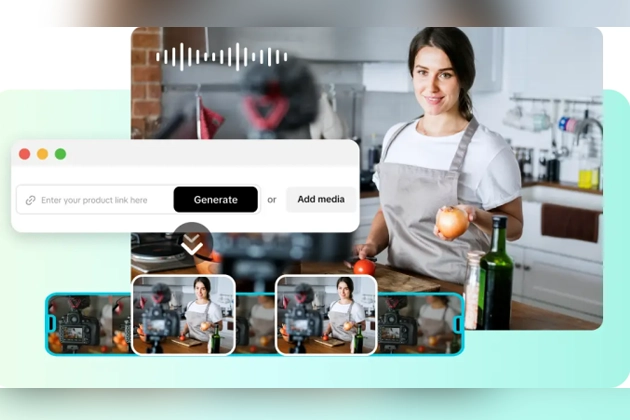
How AI Converts Photo Collections Into Dynamic Video Narratives
Artificial intelligence analyzes image dates and subjects to construct plausible storylines. The intelligent algorithms cluster similar photos and sort them by time or topic. Automatic transitions mimic cinematic editing methods. Minor visual effects draw the viewer’s attention and maintain the originality of photos. Captions and scripts offer some background that describes the meaning behind every moment. Background music enhances emotional resonance and the pacing of the narrative. Many creators appreciate tools like Pippit because a free AI video generator removes technical barriers while maintaining professional storytelling quality.

Creative Applications of Photo-to-Video Technology
Photo-to-video technology allows creative storytelling in most industries and content types. Social media marketers transform the collections of brand images into an interactive storytelling campaign. The organizers of the events prepare a recap video that showcases the celebrations, conferences, and community meetings. Teachers convert learning slides into animated learning tools that are more attention-grabbing to students. Photographers showcase their portfolios as cinematic journeys rather than mere galleries. Promotional stories are also developed by businesses that feature products in visual narratives. Pippit makes these creative workflows simpler, automated, and quick, so the final results look polished.
Key Components of Engaging Photo Story Videos
Effective photo story videos require thoughtful structure, emotional resonance, and visual balance. Several core elements ensure that storytelling remains clear and engaging for viewers.
-
Structured Visual Flow
Images appear in chronological or thematic order. This structure helps audiences follow the narrative without confusion.
-
Emotion-Driven Music Selection
Background music reinforces emotional tone and atmosphere. Carefully chosen audio transforms slideshows into immersive visual experiences.
-
Caption-Based Storytelling
Short captions explain the context and background of images. These captions guide viewers through each stage of the unfolding story.
-
Animated Image Effects
Subtle zooming and panning simulate camera motion. Static photographs, therefore, feel more dynamic and visually engaging.
-
Voice Narration Integration
Voice narration explains highlights and emotional moments. Narration also adds personality, depth, and clarity to storytelling.
Steps to Transform Photo Collections with an AI Video Generator Into Stories
Step 1: Upload photos and outline the story idea
-
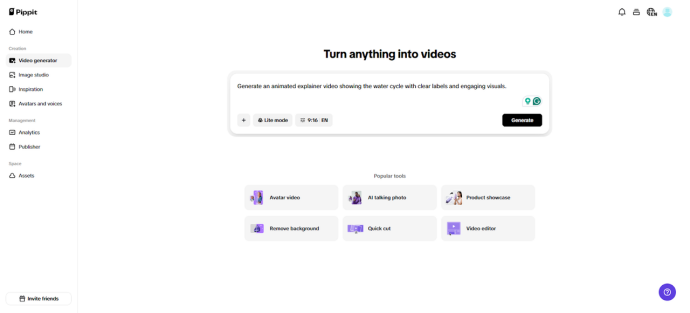
Register for Pippit, open the dashboard, and launch the “Video generator” workspace to begin storytelling.
-
Enter a prompt explaining the narrative flow you want the photo collection video to follow.
-
Click “Add media” to upload photos or videos from device storage, phone gallery, Dropbox, or links.
-
Choose platform assets if additional visuals are needed to support the story narrative.
-
When prompts and images are arranged properly, click “Generate” to begin building the visual story.
Step 2: Automatically build story-driven video drafts
-
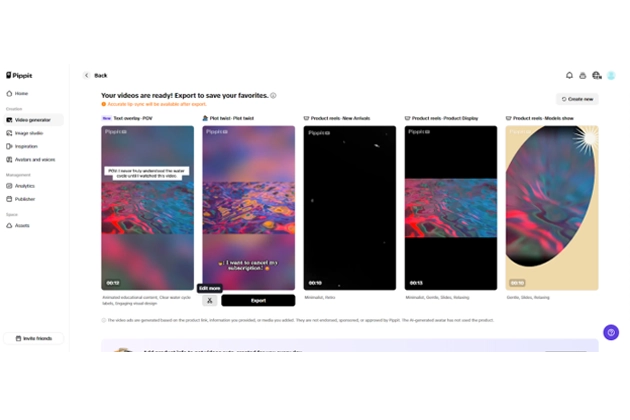
After clicking “Generate”, the system automatically converts uploaded photos into structured video narratives.
-
The AI handles transitions, pacing, captions, avatars, voice narration, lyrics, and visual storytelling enhancements.

-
The platform quickly delivers four or five different story drafts created from the photo collection.
-
Select the most compelling version, then click “Edit more” to further customize the storytelling details.
Step 3: Enhance narrative flow and export the video
-
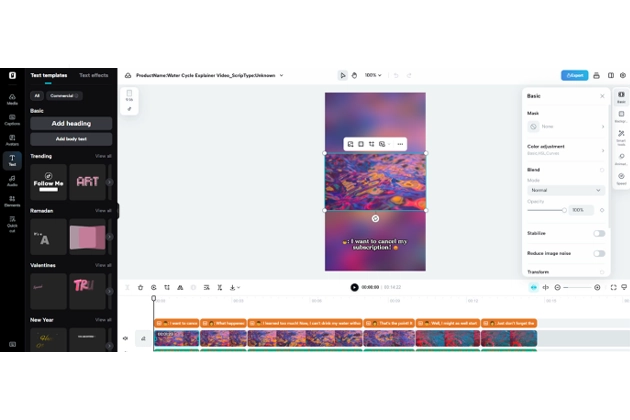
Manually modify captions while carefully adjusting text size, colors, alignment, filters, and creative effects.
-
Improve emotional impact by adding music, removing backgrounds, or enhancing photos with subtle visual effects.
-
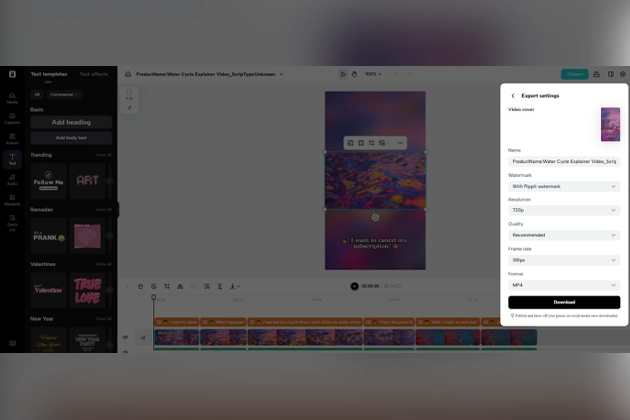
Once the story video feels complete, click “Export” in the top-right corner.
-
Choose “Publish” for social platforms or “Download” with desired format, resolution, frame rate, and quality.
Enhancing Photo Story Videos With AI Avatars and Talking Images
Artificial intelligence opens up the possibilities of storytelling by creating animated characters and interactive visual effects. AI avatars tell stories as they guide viewers through a visual timeline. Portrait pictures are also turned into talking avatars that can naturally convey messages. Creators can use this technology to add voice explanations without recording a video. Multilingual narration capabilities increase access for international audiences and communities. The use of real photos alongside animated storytelling also enhances viewers’ interest. Pippit combines these characteristics to help creators develop eye-catching, unforgettable narratives.
Designing Photo Videos That Keep Viewers Engaged
Good storytelling is about good timing, good design, and clarity of emotion. Images are supposed to stay long enough so that the audience feels at ease in assimilating the information. The use of captions, music, and images, together with the story, makes the narrative clear without being too intrusive. Scenes should be clean and focused, rather than overly animated. The structure of the story is also significant in keeping the viewer interested. There is a clear start that provides background, the middle builds on the story, and the conclusion provides emotional closure. The wise choice of design plays a role in conveying the story in a photo or video and keeping the audience focused.
Conclusion
Artificial intelligence has changed the way photo collections are transformed into digital storytelling. Complex editing is now handled by advanced automation, previously exclusive to professional filmmakers. Creative tools enable individuals and brands to discover compelling stories within image libraries. Pippit provides scalable features that can enhance storytelling and deliver a professional visual experience. Photo albums, portfolios, and campaigns, thus, become a film experience that viewers can recall. The concept of AI-driven storytelling will create a new opportunity to share meaningful visual experiences through engaging video stories.