
Getting hurt as a passenger during an Uber or Lyft ride in Bridgeport leaves you facing painful injuries and unexpected medical bills. Rideshare companies carry large insurance policies to cover injured riders, but getting those claims paid requires specific legal steps. Understanding how corporate insurance applies to your crash helps protect your rights and your wallet. If you got injured on the road, you should contact a Bridgeport Uber & Lyft accident lawyer right away to review your options.
Rideshare Apps Hold Big Policies for On-Duty Passengers
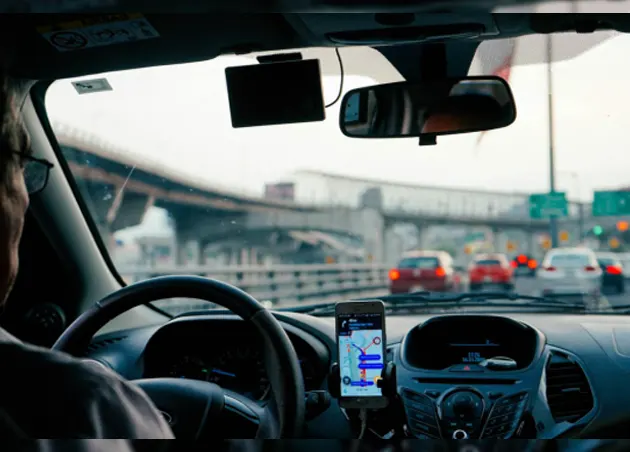
When you order an Uber or Lyft through the official smartphone app, corporate insurance covers your trip from start to finish. The moment a driver accepts your ride request on Main Street, a $1,000,000 commercial insurance policy turns on. That policy stays active while the car picks you up, drives down Fairfield Avenue, and drops you off at your destination.
Passengers in the back seat almost never share blame for a motor vehicle collision. If your rideshare driver runs a red light near St. Vincent’s Medical Center or gets rear-ended on I-95, you file your claim against that $1,000,000 policy. It pays for emergency room care, follow-up surgery, missed wages from your job, and physical therapy.
Why Off-the-App Cash Deals Put You at Risk
Some drivers offer to take passengers off the app for a lower cash price. Taking an off-the-app cash ride strips away every dollar of corporate insurance coverage.
- Personal policy exclusions – Private auto insurance policies specifically refuse to pay for crashes that happen while a driver carries passengers for money.
- Zero rideshare backing – Uber and Lyft completely deny financial responsibility for any trip that is not recorded on their digital server.
If a crash happens during a cash ride, the driver’s insurance company will drop the claim. You get left trying to collect money directly from the driver’s personal bank account. That often means recovering nothing at all for your torn ligaments or broken bones. Before agreeing to a settlement or giving statements to adjusters, contact a Bridgeport Uber & Lyft accident lawyer to evaluate your true damages.
Can You Collect Money If an Uninsured Driver Hits Your Ride?
Yes, you still have strong options for financial compensation. Hit-and-run crashes and uninsured motorists happen often around the Route 8 connector and downtown streets.
Corporate rideshare policies in Connecticut include $1,000,000 in uninsured and underinsured motorist coverage. If a driver with zero insurance slams into your Uber, this supplemental policy kicks in to cover your medical treatment. It covers your recovery costs just like standard liability insurance would.
How Shared Blame Affects Your Settlement
Insurance adjusters often try to shift blame onto passengers to cut down their corporate payouts. Under Connecticut General Statutes § 52-572h, the state follows a modified comparative negligence rule. You can still collect money for your injuries as long as your personal share of fault stays at 50 percent or less.
- Distraction claims – Adjusters might argue you distracted the driver by yelling, pointing, or blasting loud music before the crash occurred.
- Seatbelt defenses – An insurer might claim your injuries were worse because you failed to click your seatbelt in the back seat.
If a jury decides you hold 10 percent of the fault for an argument in the vehicle, your total payout drops by 10 percent. A $100,000 settlement turns into a $90,000 check. Having a lawyer stops insurers from making up false accusations of passenger fault to trim your check.
Connecticut Sets a Two-Year Deadline to File Your Claim
You do not have forever to take legal action after a rideshare collision. Under Connecticut General Statutes § 52-584, injured victims have a two-year statute of limitations to file a personal injury lawsuit.
- Two-year limit – Connecticut General Statutes § 52-584 strictly cuts off your right to sue two years from the exact date of your accident.
- Missing evidence – Waiting too long allows traffic camera footage, crash site skid marks, and app location data to disappear forever.
Two years goes by fast when you are visiting doctors and trying to heal. Starting your legal paperwork early protects your rights before state deadlines pass.
Protect Your Future After a Bridgeport Crash
Recovering from a serious rideshare accident should be your main focus, not wrestling with corporate insurance adjusters. Uber and Lyft deploy teams of lawyers to limit their financial payouts after major collisions. Having a trusted local legal team levels the playing field. They gather police reports, secure app data logs, and demand the full payout you need to move forward with your life. Reach out for a free legal consultation today to review your case.