
During New York’s harsh winters, the city’s homeless population faces daunting challenges as temperatures plummet and resources become strained. With each cold spell, the need for coordinated relief becomes urgent, prompting established organizations and grassroots volunteers to step in. Their efforts range from providing hot meals and emergency shelter to supporting homebound individuals and linking people to comprehensive care services.
While these organizations work tirelessly, the role of the broader community remains vital—whether through direct volunteering, advocacy, or donations. Addressing immediate needs is just one piece of the puzzle; as long-term solutions depend on a web of support and creative outreach.
Winter Hardships Facing New York’s Homeless Community
As Micah Raskin notes, New York’s recent cold snaps have intensified the daily struggles faced by people without stable shelter. Exposure to freezing temperatures can lead to severe health problems such as frostbite, hypothermia, and even death, especially for those spending nights on the streets or in unsheltered locations.
During a recent cold spell, emergency rooms in the city reported an uptick in weather-related injuries. The unpredictability of winter storms adds an extra layer of risk, as outreach teams often scramble to locate and assist those most vulnerable before the weather worsens.
Key Organizations Responding to Immediate Needs
Several organizations in New York City mobilize rapidly as soon as temperatures drop, working around the clock to ensure no one is left hungry or exposed to the elements. The Bowery Mission, Holy Apostles Soup Kitchen, and the Coalition for the Homeless are among the most recognized, each playing a unique role in the city’s safety net. These groups coordinate closely with city agencies and volunteers, maximizing their reach during periods when demand for food and shelter spikes.
God’s Love We Deliver and Citymeals on Wheels focus on meal delivery for those unable to leave their homes, while the Interfaith Nutrition Network addresses hunger and homelessness through a network of supportive services. In times of extreme weather, these organizations often extend their operating hours or increase their capacity.
Hot Meals and Shelter: On-the-Ground Efforts
The Bowery Mission provides hot meals and overnight accommodations, welcoming hundreds of guests each day with a warm place to rest. Their daily meal services extend beyond nourishment, creating a sense of community and stability for people who often have nowhere else to turn. Holy Apostles Soup Kitchen operates one of the largest feeding programs in New York, serving thousands of meals each week regardless of weather conditions.
In addition to meals, some organizations such as The Mary Brennan INN and Soup Kitchen offer access to showers, clean clothing, and referrals to social services, aiming to address immediate comfort as well as long-term well-being. Together, these organizations adapt to the challenges of winter, setting up temporary warming centers and distributing blankets or winter clothing as needed, ensuring that help remains accessible even during the harshest nights.
The Grand Central Food Program takes to the streets every night, delivering nutritious meals directly to those who cannot or will not access traditional shelters. Their mobile outreach vans travel set routes, ensuring even the most isolated individuals receive food and a compassionate check-in.
Additional Support and Outreach Programs
The Interfaith Nutrition Network extends beyond food, offering a continuum of care that includes emergency housing, counseling, and job training. Similar services across the city link clients to mental health care, substance use support, and pathways to permanent housing, helping break the cycle of crisis that cold weather often aggravates. During particularly severe winters, outreach workers may conduct wellness checks at encampments or subway stations, making sure no one is left behind in dangerous conditions.
Getting Involved and Ways the Public Can Help
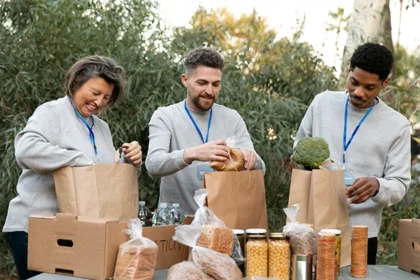
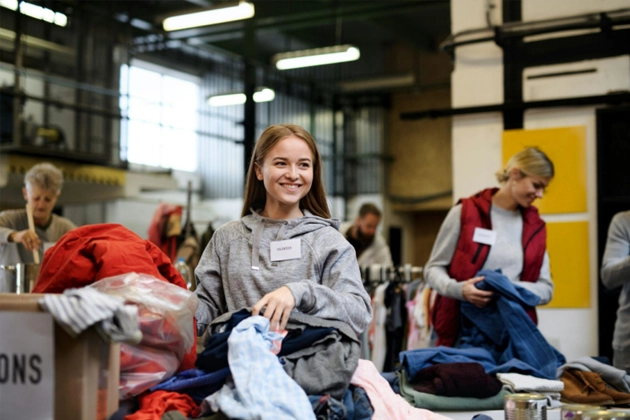
Community members play a crucial role in sustaining these vital services. Volunteering time in kitchens, assisting with meal deliveries, or organizing clothing drives can have a tangible impact, especially during winter. Even small monthly donations help keep pantries stocked and outreach vans running. Staying informed about local needs and spreading the word encourages others to participate, amplifying the support network for New York’s most vulnerable residents.