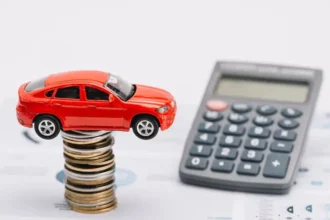

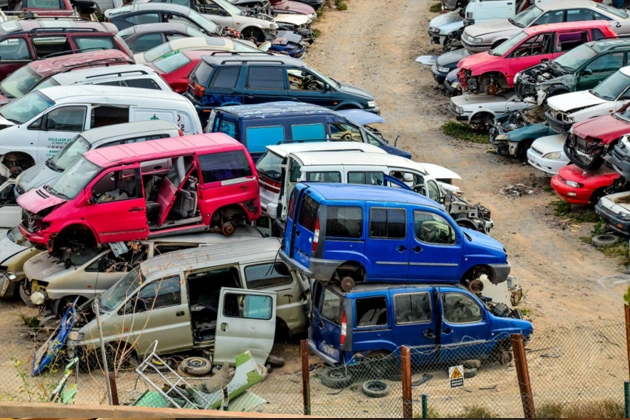
The junk car market is not a silent parking lot filled with forgotten metal. It is a fast-moving sector shaped by repair costs, insurance decisions, metal prices, and shifting consumer behavior. If you have a damaged or aging vehicle taking up space, understanding how this market operates can help you convert it into immediate cash instead of watching its value slowly decline.
The Real Shape of Today’s Junk Car Economy
Behind every junk car is a network of buyers, recyclers, and resellers working within a structured system. According to a recent study on the U.S. junk car market, vehicles are entering the salvage stream at increasing rates due to rising repair expenses and advanced automotive technology. Modern vehicles rely heavily on sensors, integrated electronics, and safety systems. Even minor accidents can produce repair estimates that exceed a car’s market value, leading insurers to declare total losses more often than in previous years.
At the same time, competition among buyers has intensified. Salvage yards, parts dealers, scrap processors, and exporters all participate in this ecosystem. Their demand ensures that a damaged vehicle still holds measurable worth. Instead of letting a damaged vehicle depreciate further, sellers can contact junk car removal services that offer instant quotes, handle all paperwork, and tow vehicles at no charge while paying competitive prices based on weight, parts value, and current scrap metal rates.
Supply Trends: Why More Cars Become Junk
Supply continues to grow for practical reasons. Vehicles may last longer mechanically, but they are not always economical to repair. When engines fail or transmissions break down in older models, repair costs frequently surpass resale value. Instead of investing in uncertain fixes, many owners choose to sell their vehicles as they are.
Economic pressure adds to this supply. Deferred maintenance can turn manageable issues into major breakdowns. Insurance write-offs after collisions further increase the number of vehicles entering the junk stream. Stricter environmental standards also encourage proper recycling rather than abandonment. Licensed buyers now simplify the process with documentation and towing, making it easier for sellers to participate in this organized marketplace.
Demand Drivers: Who Wants Your Damaged Vehicle
Demand remains steady because junk cars serve multiple purposes. Salvage yards purchase vehicles primarily for parts resale. Engines, alternators, catalytic converters, body panels, and electronics can all be resold individually. Often, the combined value of these components exceeds what the car would bring in a private sale.
Metal recyclers form another critical demand layer. Steel, aluminum, and copper extracted from vehicles reenter manufacturing cycles. When global commodity prices rise, scrap buyers compete more aggressively for supply. Export markets also contribute, as some vehicles deemed uneconomical domestically can be repaired affordably elsewhere. These combined channels create consistent demand that supports seller opportunities.
Pricing Patterns: How Value Is Determined
Pricing in the junk car market follows identifiable patterns. Buyers evaluate vehicle weight, prevailing scrap metal prices, make and model demand, and the condition of key components. Heavier vehicles often yield stronger scrap offers due to steel content. Models known for reliable engines or sought-after parts can command higher bids.
Market timing also plays a role. Commodity fluctuations, manufacturing output, and seasonal parts demand influence pricing. Understanding these forces allows sellers to make informed decisions rather than accepting the first available offer. Even a non-running or heavily damaged vehicle retains value when demand aligns with favorable market conditions.
Why Selling Now Makes Financial Sense
Keeping a junk car rarely increases its worth. Over time, exposure accelerates rust, mechanical components deteriorate, and usable parts lose resale potential. Meanwhile, market prices continue to fluctuate. Acting while demand remains stable allows you to secure value before deterioration erodes it.
Selling also removes ongoing expenses. Registration costs, insurance requirements, and property space all carry hidden financial weight. By selling your damaged or non-running vehicle, you eliminate liabilities and turn a declining asset into usable funds. The decision is not just about clearing space. It is about responding strategically to supply and demand trends.
Simple Steps to Maximize Your Offer
Preparation can directly influence the payout you receive. Before accepting an offer, consider these steps:
- Gather your vehicle title and identification documents.
- Remove all personal belongings from the vehicle.
- Compare quotes from multiple licensed buyers.
- Confirm that towing services are included.
- Ask how the price was calculated to ensure transparency.
Approaching the sale with knowledge of supply, demand, and pricing dynamics gives you leverage. When you understand how the market evaluates vehicles, negotiation becomes easier. Even severely damaged cars still contain recoverable materials and components with market value.
The junk car market is not a final stop for vehicles. It is a functioning economic system driven by recycling efficiency and industrial demand. By recognizing how pricing trends and buyer competition work in your favor, you can turn an unused vehicle into immediate financial gain. In a market shaped by measurable forces, selling at the right time is not just practical. It is smart.