

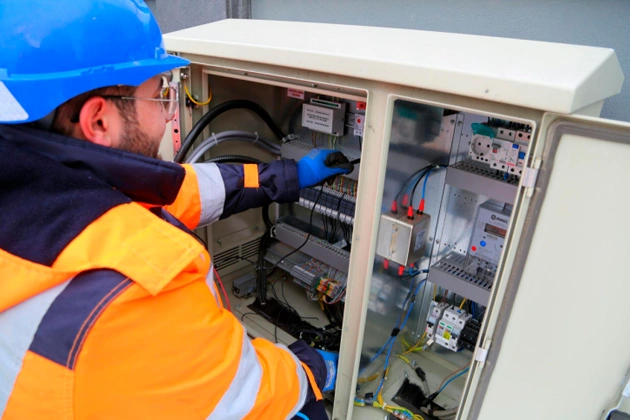
Electrical faults account for tens of thousands of building fires each year, and here’s what makes them particularly dangerous: these faults usually develop slowly over weeks or months without any obvious signs. Your electrical system won’t announce when something’s wrong. A loose connection sparks quietly inside your wall. Circuits running beyond their capacity generate heat nobody notices. By the time smoke becomes visible, substantial damage has already occurred. Routine inspections identify these developing problems while they’re still manageable. Professional assessments go beyond simple compliance paperwork. They uncover genuine hazards lurking in your wiring, switchboards, and electrical connections. Addressing issues early costs considerably less than recovering from an electrical fire.
1. Early Detection of Degraded Wiring
Electrical wiring deteriorates over time. Insulation around cables breaks down gradually, particularly in buildings constructed more than twenty years ago. Many older properties carry electrical loads that designers never anticipated when the systems were installed. Rodents sometimes damage protective coverings in roof spaces or wall cavities. Moisture penetrates junction boxes through small gaps and cracks. These degradation processes happen slowly and almost always out of sight. During inspections, electricians examine wiring for brittle insulation, unusual discolouration, and exposed conductors. Connections loosen naturally too, from the constant thermal expansion and contraction that occurs with electrical current flow. Identifying degraded wiring early means replacing only the affected sections. That’s far more economical than extensive repairs following a failure.
2. Compliance with Current Safety Standards
Electrical safety codes undergo regular updates as understanding of fire risks and electrical hazards improves. Standards considered adequate fifteen years ago may not meet current requirements. Many older buildings operate legally under outdated regulations because they were constructed before newer rules took effect. Legal operation doesn’t guarantee safety, though. Electrical compliance check services identify where current installations fall short of modern standards. This matters especially when selling property, planning renovations, or operating commercial premises. Updated protection includes arc fault detection, proper earthing configurations, and correctly rated circuit protection devices. Insurance providers consider compliance documentation when assessing properties. Some policies actually mandate documented proof of regular electrical maintenance. Maintaining current compliance protects against both fire risks and potential liability issues.
3. Identification of Overloaded Circuits
Consider all the devices currently plugged in throughout your property. Most buildings weren’t designed for today’s electrical consumption patterns. We’ve added computers, air conditioning systems, kitchen appliances with substantial power requirements, and charging devices everywhere. The underlying electrical infrastructure often remains unchanged from decades ago. Circuits end up carrying significantly more current than their design specifications allow. This generates heat, which damages insulation over time. During inspections, electricians measure actual circuit loads and compare them against rated capacities. They identify situations where too many devices share a single circuit or where heavy equipment requires dedicated wiring. Redistributing electrical loads or installing additional circuits resolves these issues before insulation begins deteriorating. Gradual wall warming isn’t something you’d notice, but thermal imaging cameras reveal developing hot spots immediately.
4. Prevention of Arc Faults
Arc faults occur when electricity jumps across gaps in damaged wiring, creating miniature lightning bolts inside your walls. These generate extreme heat and sparks. According to safety organisations, arcing faults cause approximately 28,000 to 35,000 home fires annually in the United States. The detection challenge is significant. While short circuits trip breakers immediately, arc faults can occur intermittently for extended periods without triggering standard overcurrent protection. Modern inspection procedures include specialised arc fault testing equipment. Electricians examine conditions that allow arcing, including loose terminal connections, damaged cable insulation, or substandard repair work. Fixing an identified arc fault is usually straightforward. The real difficulty lies in locating these faults before they ignite surrounding combustible materials. Systematic inspections with appropriate testing equipment make arc fault prevention reliable rather than accidental.
5. Verification of Proper Earthing Systems
Property earthing systems create safe paths for fault currents, protecting people from electric shock and preventing fires. Earthing connections corrode, though, particularly in coastal areas or industrial environments where air contains more corrosive elements. Earth stakes lose effectiveness as surrounding soil conditions change with varying moisture content and mineral composition. Connections work loose from building vibration or thermal cycling. A compromised earthing system provides no warning until an actual fault occurs, at which point it has failed its protective function. Professional inspections include earth continuity testing and resistance measurements. Electricians verify that every required earthing point maintains proper connections and that the complete system can handle fault currents it might encounter. They check whether unauthorised modifications have disrupted earthing paths. Since earthing remains invisible during normal operation, testing provides the only reliable verification method.
6. Assessment of Switchboard Condition
Switchboards control and distribute electricity throughout buildings. Like all heavily used components, they wear out. Contacts inside circuit breakers develop pitting and corrosion. Busbars connecting circuit protection devices can loosen. Connections oxidise where different metals meet. Extended overloading generates heat that damages internal components. Some switchboards installed decades ago contain materials now recognised as hazardous. During inspections, electricians open switchboards to examine internal components for overheating damage, worn circuit breakers, or inadequate protection devices. They verify that each breaker’s rating matches the cable it protects. Thermal cameras identify connections running hot before complete failure occurs. Many electrical fires originate inside switchboards that appear perfectly normal from outside. Professional internal assessment provides the only reliable way to know the actual switchboard condition.
7. Detection of Moisture Ingress
Water and electricity create serious hazards when combined. Moisture causes insulation breakdown, metal corrosion, and electrical tracking where current finds unintended paths. Water enters electrical systems through roof leaks, condensation in humid conditions, flooding, or deteriorated seals around outdoor equipment. Sometimes plumbing failures affect nearby electrical installations without leaving obvious evidence. Inspectors specifically examine for rust, water staining, mineral deposits, and other moisture indicators. They verify that outdoor equipment maintains intact weatherproofing and that water drains away properly. Identifying moisture problems early allows correcting both the water source and resulting electrical damage before further deterioration occurs. Wet electrical systems degrade rapidly and unpredictably. Damage spreads beyond initial water entry points, potentially affecting circuits throughout entire buildings.
8. Validation of Safety Switch Operation
Safety switches, known as residual current devices or RCDs, are designed to disconnect power within 25 to 40 milliseconds when detecting current leakage. They genuinely prevent electrocutions and save lives. These devices contain mechanical components, though, and mechanical components can fail. Accumulated dust, contact corrosion, or component wear can prevent operation when needed. The test button on device fronts only confirms basic functionality. It doesn’t verify response time or sensitivity to levels specified in safety standards. Proper inspections include controlled testing of safety switch performance using calibrated equipment. Electricians confirm correct installation, appropriate current ratings, and whether protection extends to all required circuits. Many older properties either lack safety switches completely or have them protecting only some circuits. Regular professional testing ensures these devices will actually provide protection during fault conditions, rather than discovering failure when someone receives an electric shock.
9. Reduction of Power Outage Risks
Unexpected power failures disrupt business operations, damage sensitive equipment, and disable security systems. Many outages result from preventable electrical faults rather than external supply problems. Loose connections develop high resistance, generate heat, and eventually fail to conduct. Components break down gradually from thermal stress until they can no longer carry current. Inspections identify these developing failures while systems still operate normally. Electricians tighten connections that have loosened, replace components showing wear, and correct installation errors that might cause future problems. This predictive maintenance approach minimises downtime by addressing issues during scheduled inspections instead of emergency repairs. For commercial operations, a single extended outage often costs more than years of inspection fees. Even in residential settings, preventing failures proves more convenient and economical than dealing with them after power loss.
10. Long-term Cost Savings
Electrical problems become progressively more expensive when ignored. A slightly loose connection takes minutes to tighten properly. Leave it unaddressed, and the resulting heat damage might destroy a switchboard worth thousands of dollars. Overloaded circuits need load redistribution, which is relatively inexpensive. Wait until they cause a fire and you face major rebuilding costs. Earthing faults are economical to repair until they allow fault conditions that destroy equipment or cause injuries. Regular inspections catch all these problems while repairs remain minor. There’s an efficiency benefit too. Faulty electrical systems waste electricity by converting it to unwanted heat. Insurance providers sometimes offer better premiums with documented maintenance records. Properties with current electrical compliance certification maintain their value better. The return on inspection investment becomes clear when considering alternatives. Planned maintenance consistently costs less than emergency repairs, especially with electrical systems where one failure often triggers others.
Protecting Your Property Through Regular Electrical Inspections
Electrical systems rarely provide warnings before major failures. They simply stop working, often catastrophically. Routine professional inspections transform that uncertainty into manageable, predictable risk. They uncover hidden deterioration, verify compliance with current safety codes, prevent circuit overloads, and confirm that protection systems actually function. The cost remains modest compared to fire damage, injuries, or extended business interruption. Make electrical safety inspections part of regular property maintenance schedules. Waiting for problems to announce themselves means waiting too long.