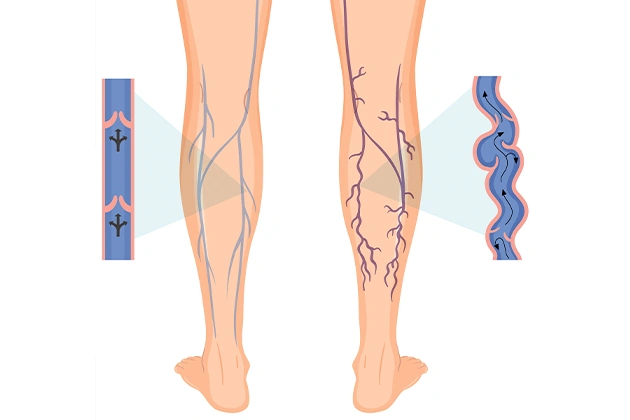
Spider veins may be a common occurrence, but they can be a source of worry for many individuals concerned about their skin’s appearance and overall health. Consulting a vein specialist near Tucson can help individuals explore modern treatments tailored to spider veins, focusing on effectiveness, safety, and proper aftercare practices. By understanding the available options, patients can make informed decisions that promote clearer, healthier skin.
Understanding Spider Veins
Causes and Risk Factors
Spider veins, also known as telangiectasias, are small, dilated blood vessels that appear close to the surface of the skin. They often take on a blue, purple, or red hue and can present themselves in various shapes, resembling a spider web or tree branches.
Several factors contribute to the development of spider veins, including:
- Genetics: A family history of spider veins can significantly increase one’s risk.
- Hormonal Changes: Changes during pregnancy, puberty, or menopause may trigger the formation of spider veins.
- Obesity: Extra weight places additional pressure on the venous system, leading to increased risk.
- Prolonged Standing or Sitting: Occupations that require long periods in one position may exacerbate the issue, reducing blood circulation.
Common Symptoms and Concerns
Individuals with spider veins may experience various symptoms, including:
- Aesthetic Concerns: The most common worry is cosmetic, as spider veins can detract from an otherwise smooth and uniform skin tone.
- Discomfort or Pain: While often painless, some individuals report feelings of heaviness or aching, particularly after long periods of standing.
Overall, understanding these factors can help individuals identify their risk and seek appropriate treatments.
Overview of Treatment Options
Sclerotherapy
Sclerotherapy is one of the most widely utilized methods for treating spider veins. This procedure involves injecting a solution directly into the affected veins. The solution irritates the vein lining, causing it to collapse and fade over time.
Laser Therapy
Laser therapy is another popular approach where concentrated light is directed at the spider veins. The heat from the laser targets the pigment in the blood, leading to a natural absorption of the treated vein. This method is highly effective for smaller veins and involves minimal discomfort.
Vein Adhesion Techniques
Vein adhesion techniques involve the use of a specially formulated substance that seals the problem veins shut. This method is often used for more substantial veins or when traditional sclerotherapy may not be suitable.
Radiofrequency Ablation
This method utilizes radiofrequency energy to heat and close off the problematic veins. It’s effectively used when treating larger veins adjacent to spider veins. Radiofrequency ablation offers a minimally invasive option with quick recovery times.
Pros and Cons of Each Treatment
Effectiveness and Results
Each treatment option has its strengths:
- Sclerotherapy: Generally, sclerotherapy has a high satisfaction rate, with many patients seeing visible improvements within weeks.
- Vein Adhesion Techniques: They are particularly beneficial for larger veins and yield quick results.
- Radiofrequency Ablation: This method has shown high efficacy rates and allows for the treatment of larger veins without significant downtime.
Potential Side Effects
While generally safe, each treatment option carries potential side effects:
- Sclerotherapy: Possible side effects include itching, bruising, or discoloration at the injection site.
- Laser Therapy: Some patients may experience temporary redness or swelling in the treated areas.
- Vein Adhesion Techniques: Similar to sclerotherapy, side effects may include minor discomfort or bruising.
- Radiofrequency Ablation: Patients might notice mild swelling or soreness, which usually subsides quickly.
Aftercare and Recovery Tips
Lifestyle Changes for Prevention
After spider vein treatment, adopting certain lifestyle changes can help maximize results and prevent future formations:
- Regular Exercise: Engaging in physical activity promotes better circulation.
- Weight Management: Maintaining a healthy weight can help reduce pressure on the veins.
- Elevating Legs: Elevating the legs helps improve blood flow and can reduce swelling related to vein issues.
Self-Care Strategies
It’s essential for individuals to follow specific self-care tactics:
- Compression Stockings: Wearing compression garments can support the healing process and prevent new veins from forming.
- Hydration: Staying hydrated is crucial for optimal skin health.
- Limit Sun Exposure: Protecting the skin from excessive sun can help maintain its health and appearance.
When to Seek Professional Help
If spider veins become increasingly prominent or start causing discomfort, seeking the advice of a medical professional is crucial. It’s essential to consult a healthcare provider specializing in vein treatments who can assess the situation and recommend appropriate interventions. Regular check-ups can also ensure any underlying issues are addressed promptly.
Conclusion
Modern spider vein treatments offer a range of effective options catered to individual needs. By understanding the causes, possible treatments, and aftercare strategies, individuals can take control of their skin health, ensuring a clearer and healthier appearance. Remember, stepping into a clinic for persistent spider veins is a proactive approach toward maintaining overall well-being.