

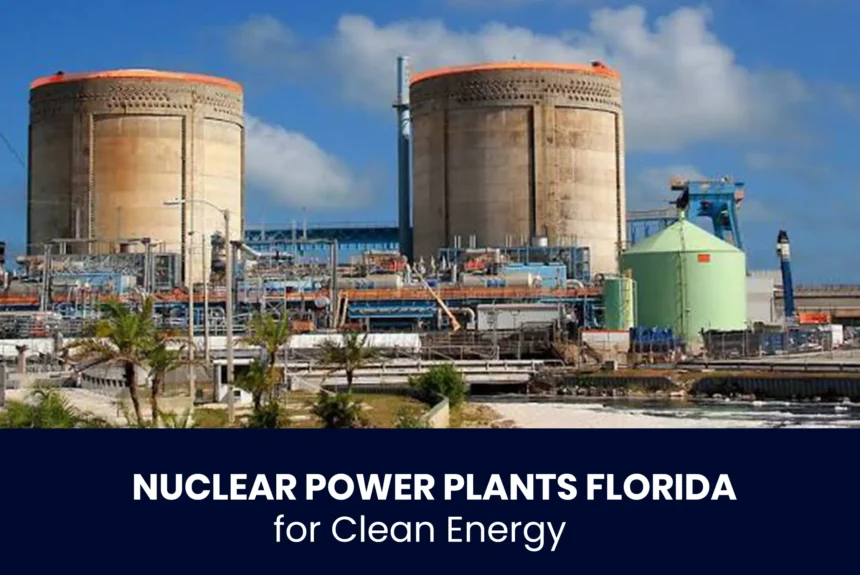
Florida is best known for its sunny beaches, thriving tourism industry, and rapidly growing population, but it is also home to one of the most reliable sources of clean electricity in the United States. Nuclear power plants Florida have been generating electricity for decades, supplying millions of homes and businesses with dependable, carbon-free power every day.
As the state’s population continues to expand and industries such as healthcare, aerospace, manufacturing, and data centers require increasing amounts of electricity, nuclear energy remains a critical part of Florida’s power infrastructure.
While renewable energy sources like solar continue to grow, nuclear plants provide uninterrupted electricity around the clock, ensuring the state’s electric grid remains stable even during periods of peak demand.
Florida’s climate presents unique energy challenges. Air conditioning systems operate for much of the year, particularly during the long summer season when temperatures regularly exceed 90 degrees Fahrenheit. This creates enormous electricity demand, especially in densely populated areas such as Miami, Orlando, Tampa, and Jacksonville.
During these periods, utilities require dependable power sources that can operate continuously without interruption. Nuclear energy has consistently fulfilled that role by producing large amounts of electricity regardless of weather conditions.
Unlike solar panels that generate power only during daylight hours or wind turbines that rely on favorable wind speeds, nuclear reactors operate continuously for months before requiring refueling. This makes them one of the most reliable sources of electricity available today. Their ability to deliver stable power has helped Florida meet growing energy needs while reducing dependence on fossil fuels.
Florida’s Growing Need for Reliable Electricity
Florida is one of the fastest-growing states in the country. According to the U.S. Census Bureau, the state’s population has surpassed 23 million residents, and thousands of new people continue moving there every month. This population growth increases electricity consumption in nearly every sector.
New residential communities require power for lighting, heating, cooling, and household appliances. Commercial buildings depend on electricity for elevators, security systems, and office operations. Hospitals need uninterrupted electricity for life-saving medical equipment, while airports, schools, hotels, and shopping centers all contribute to rising energy demand.
In recent years, Florida has also attracted investments in advanced manufacturing, aerospace engineering, logistics, and technology. These industries require consistent electricity that cannot be interrupted by changing weather conditions. Reliable power has therefore become essential not only for daily life but also for economic growth.
Nuclear power supports this growing demand by providing steady electricity throughout the year, helping utilities maintain grid stability even during periods of extreme weather or record energy consumption.
Florida’s Nuclear Power Infrastructure
Florida currently operates two commercial nuclear power plants that together house four nuclear reactors. These facilities generate enough electricity to serve millions of customers while significantly reducing greenhouse gas emissions compared to conventional fossil fuel plants.
The state’s operating nuclear facilities include:
- Turkey Point Nuclear Generating Station
- St. Lucie Nuclear Power Plant
Florida was once home to another nuclear facility, the Crystal River Nuclear Plant. Although its reactor permanently ceased operations in 2013 following structural damage discovered during maintenance, the site remains an important part of Florida’s nuclear history and is currently undergoing decommissioning.
Together, Turkey Point and St. Lucie continue serving as the backbone of Florida’s nuclear energy production.
Turkey Point Nuclear Generating Station
Located near Homestead, approximately 25 miles south of Miami, Turkey Point is one of Florida’s most significant power generation facilities. Operated by Florida Power & Light (FPL), the station contains two operating pressurized water reactors alongside natural gas generating units.
Turkey Point supplies electricity to one of the fastest-growing metropolitan regions in the United States. South Florida’s expanding residential communities, hospitals, airports, universities, and businesses all benefit from the plant’s dependable electricity production.
One of Turkey Point’s greatest strengths is its reliability. The reactors operate continuously throughout the year except during scheduled maintenance and refueling outages. This steady production helps stabilize the electric grid during periods of exceptionally high electricity demand.
The U.S. Nuclear Regulatory Commission has granted extended operating licenses for Turkey Point’s reactors, allowing them to continue producing electricity into the early 2050s after comprehensive safety reviews and equipment evaluations. These license extensions demonstrate confidence in the facility’s long-term operational safety and importance to Florida’s energy future.
St. Lucie Nuclear Power Plant
Situated on Hutchinson Island near Fort Pierce, the St. Lucie Nuclear Power Plant serves as another major contributor to Florida’s clean energy supply. Like Turkey Point, it is operated by Florida Power & Light and contains two pressurized water reactors.
St. Lucie has provided dependable electricity for decades while maintaining high operational performance and strict safety standards. The plant plays an especially important role in supplying electricity to communities along Florida’s Atlantic coast, where population growth continues to increase energy demand.
Because the reactors operate continuously, they help balance fluctuations in electricity consumption throughout the day. During hot summer afternoons when millions of air conditioners are running simultaneously, St. Lucie continues generating electricity at full capacity, reducing pressure on other generating resources and improving overall grid reliability.
Its consistent performance has made the facility one of the most valuable components of Florida’s energy infrastructure.
How Many Nuclear Power Plants Are in Florida?
One of the most frequently asked questions about the state’s energy infrastructure is how many nuclear power plants are in Florida. The answer is straightforward: Florida currently has two operating commercial nuclear power plants with a total of four active nuclear reactors. These are the Turkey Point Nuclear Generating Station near Miami and the St. Lucie Nuclear Power Plant near Fort Pierce. Together, they produce a significant portion of Florida’s clean electricity and play a vital role in maintaining the state’s energy security.
Florida previously had a third nuclear facility, the Crystal River Nuclear Plant, located in Citrus County. The plant was permanently shut down in 2013 after structural damage was discovered during a maintenance project. While Crystal River no longer generates electricity, it remains an important part of Florida’s nuclear history and is currently being safely decommissioned under the supervision of the U.S. Nuclear Regulatory Commission (NRC).
Although Florida has fewer nuclear plants than states such as Illinois or Pennsylvania, its existing facilities generate enough electricity to power millions of homes and businesses every year. Their high efficiency and continuous operation make them some of the state’s most productive energy assets.
The Numbers Behind Florida’s Nuclear Energy
Statistics highlight just how important nuclear energy has become for both Florida and the United States.
The U.S. Energy Information Administration reports that nuclear power supplies nearly 19% of all electricity generated in the United States, making it the country’s largest source of carbon-free electricity. American nuclear reactors also maintain an average capacity factor of approximately 93%, meaning they operate at maximum output for most of the year. In comparison, many other electricity sources operate at significantly lower capacity factors because they depend on weather conditions or fuel availability.
Florida’s four operating reactors contribute thousands of megawatts of reliable generating capacity to the state’s electric grid. Together, Turkey Point and St. Lucie provide enough electricity to serve millions of customers while avoiding millions of tons of carbon dioxide emissions that would otherwise come from fossil fuel generation.
These figures demonstrate why nuclear energy continues to be regarded as one of the most dependable forms of large-scale electricity production.
Real Example: Meeting Summer Electricity Demand
Every summer, Florida experiences soaring temperatures and high humidity that place tremendous pressure on the electric grid. Air conditioning becomes essential rather than optional, and electricity consumption reaches its highest levels of the year.
Imagine a July afternoon in Miami when temperatures exceed 95°F. Millions of homes, hotels, hospitals, restaurants, shopping centers, and office buildings are simultaneously using air conditioning. Electricity demand rises dramatically within a matter of hours.
During these periods, Turkey Point continues generating electricity around the clock without being affected by cloud cover or changing weather conditions. Its dependable output helps utilities avoid shortages while maintaining stable electricity service across South Florida.
Without nuclear generation, utilities would need to rely more heavily on natural gas-fired power plants or imported electricity to meet peak demand.
Real Example: Supporting Florida’s Healthcare System
Healthcare is another industry that depends heavily on reliable electricity. Florida has one of the nation’s largest populations of senior citizens, resulting in thousands of hospitals, rehabilitation centers, nursing facilities, and specialized medical institutions operating throughout the state.
Hospitals cannot tolerate unexpected power interruptions. Equipment such as MRI scanners, CT machines, ventilators, dialysis systems, laboratory analyzers, and intensive care monitoring equipment must operate continuously.
Although hospitals maintain emergency backup generators, they are intended only for short-term emergencies. A reliable statewide electric grid supported by nuclear energy helps reduce the likelihood of outages occurring in the first place.
This makes nuclear power an invisible but essential part of Florida’s healthcare infrastructure.
Powering Manufacturing and Aerospace
Florida’s economy extends well beyond tourism. The state has become a major center for aerospace, aviation, electronics, pharmaceuticals, food processing, and advanced manufacturing.
Companies located near the Space Coast, for example, manufacture components used in satellites, launch vehicles, and defense systems. These facilities depend on uninterrupted electricity to operate highly automated production equipment.
Even brief power interruptions can stop assembly lines, damage sensitive equipment, and delay deliveries.
Nuclear energy provides manufacturers with the dependable electricity needed to maintain production schedules while improving overall grid reliability.
Supporting Data Centers and Digital Infrastructure
Modern digital services require enormous amounts of electricity. Every online search, cloud application, video stream, financial transaction, and artificial intelligence model depends on data centers operating continuously.
Technology companies increasingly seek locations with stable, carbon-free electricity because data centers cannot afford prolonged outages. Nuclear power provides exactly that type of dependable energy.
As Florida continues attracting technology investments, reliable electricity generated by Turkey Point and St. Lucie could become even more valuable for supporting future cloud computing facilities and AI infrastructure.
Tourism Also Depends on Reliable Power
Tourism contributes billions of dollars to Florida’s economy every year. Theme parks, cruise terminals, hotels, convention centers, airports, restaurants, and entertainment venues all require constant electricity.
Imagine Walt Disney World or Miami International Airport experiencing widespread power interruptions during peak travel season. The economic consequences would be enormous.
Reliable nuclear generation quietly supports these facilities every day by helping maintain a stable electric grid. Visitors rarely think about where their electricity comes from, yet dependable power is essential for delivering the experiences millions of tourists expect.
Environmental Benefits of Nuclear Energy
As governments and businesses work to reduce greenhouse gas emissions, nuclear energy has become an increasingly important part of the clean energy conversation. Unlike coal and natural gas power plants, nuclear reactors generate electricity without producing carbon dioxide during normal operations. This makes them one of the largest sources of carbon-free electricity in the United States.
For Florida, this is particularly important. The state faces growing concerns about rising temperatures, stronger storms, and coastal resilience. While renewable energy sources such as solar continue to expand across the state, they cannot generate electricity continuously. Nuclear power complements renewable energy by providing a constant supply of electricity throughout the day and night, ensuring the electric grid remains reliable while supporting climate goals.
Another environmental advantage is land efficiency. Nuclear power plants produce enormous amounts of electricity from relatively compact sites compared to many other large-scale energy sources. This allows more land to remain available for agriculture, wildlife conservation, and urban development.
Safety Remains a Top Priority
Modern nuclear facilities operate under some of the strictest safety regulations in the world. Every commercial nuclear power plant in the United States is regulated by the U.S. Nuclear Regulatory Commission (NRC), which conducts regular inspections, safety reviews, emergency preparedness exercises, and operational assessments.
Both Turkey Point and St. Lucie incorporate multiple layers of safety systems designed to prevent accidents and protect surrounding communities. These include reinforced containment buildings, backup cooling systems, emergency power generators, advanced monitoring technology, and highly trained operators who undergo continuous education and certification.
The industry has also evolved significantly over the past several decades. Lessons learned from historical events such as Three Mile Island, Chernobyl, and Fukushima have resulted in improved reactor designs, stronger emergency planning, and enhanced operational procedures. Today’s nuclear plants benefit from decades of engineering advancements and continuous regulatory oversight.
Economic Contributions to Florida
Beyond supplying electricity, Florida’s nuclear industry makes a substantial contribution to the state’s economy. Nuclear facilities create thousands of high-paying jobs in engineering, maintenance, operations, cybersecurity, environmental science, construction, and technical services.
Each plant also supports a broad network of contractors, suppliers, transportation companies, and local businesses. Restaurants, hotels, retail stores, and service providers located near these facilities benefit from the economic activity generated by plant employees and visiting specialists.
Property taxes paid by nuclear facilities help fund local schools, emergency services, transportation projects, and community infrastructure. These long-term economic benefits make nuclear plants valuable not only as energy producers but also as important employers and taxpayers.
Challenges Facing Nuclear Power
Although nuclear energy offers many advantages, the industry also faces important challenges.
Building a new nuclear power plant requires significant financial investment and many years of planning, licensing, engineering, and construction. These projects involve rigorous environmental reviews and extensive regulatory approval processes before construction can begin.
Managing spent nuclear fuel is another responsibility that requires careful planning. Used fuel is safely stored under strict federal regulations while long-term storage solutions continue to be developed.
Public perception also remains a challenge. While modern reactors have an excellent safety record, historical nuclear accidents continue to influence public opinion. Increasing public education about today’s reactor technology, safety improvements, and environmental benefits will be essential as nuclear energy continues to evolve.
The Future of Nuclear Energy in Florida
Florida’s demand for electricity is expected to continue rising as the population grows, electric vehicles become more common, and industries such as artificial intelligence, cloud computing, biotechnology, and advanced manufacturing expand across the state.
To meet these growing energy needs, experts believe Florida will continue relying on a diversified energy portfolio that includes natural gas, solar power, battery storage, and nuclear energy. One technology attracting significant attention is the Small Modular Reactor (SMR). These next-generation reactors are designed to be smaller, safer, and more cost-effective than traditional nuclear plants while providing reliable carbon-free electricity.
Although no SMRs are currently operating in Florida, they could become part of the state’s long-term energy strategy as technology advances and electricity demand increases.
Conclusion
Florida’s energy future depends on maintaining a reliable, affordable, and sustainable electricity supply. The Turkey Point Nuclear Generating Station and the St. Lucie Nuclear Power Plant have demonstrated for decades that nuclear energy can deliver continuous power while supporting economic growth and reducing carbon emissions.
Together, these facilities help keep homes comfortable, hospitals operating, manufacturers productive, airports running smoothly, and businesses connected every hour of the day.
As the state continues to welcome new residents and industries, dependable electricity will remain essential for supporting long-term development. Whether powering communities during peak summer demand or complementing the growth of renewable energy, nuclear power plants Florida continue to play a crucial role in strengthening the state’s energy security and building a cleaner, more resilient future.
FAQs
- How many nuclear power plants are in Florida?
Florida currently has two operating commercial nuclear power plants: the Turkey Point Nuclear Generating Station and the St. Lucie Nuclear Power Plant. Together, they operate four active nuclear reactors that provide reliable electricity across the state. - Where are Florida’s nuclear power plants located?
Turkey Point Nuclear Generating Station is located near Homestead in Miami-Dade County, while the St. Lucie Nuclear Power Plant is situated near Fort Pierce on Florida’s east coast. - What happened to the Crystal River Nuclear Plant?
The Crystal River Nuclear Plant was permanently shut down in 2013 after structural damage was discovered during maintenance. The facility is currently undergoing decommissioning under the supervision of the U.S. Nuclear Regulatory Commission. - Why are nuclear power plants important in Florida?
Nuclear power plants provide reliable, carbon-free electricity 24 hours a day. They help meet Florida’s growing energy demand, support grid stability during peak summer months, and reduce reliance on fossil fuels. - Are nuclear power plants in Florida safe?
Yes. Florida’s nuclear facilities operate under strict regulations established by the U.S. Nuclear Regulatory Commission (NRC). They are equipped with multiple safety systems, undergo regular inspections, and follow rigorous operational standards. - Which industries benefit from Florida’s nuclear power plants?
Many industries rely on the dependable electricity generated by Florida’s nuclear plants, including healthcare, manufacturing, aerospace, tourism, data centers, transportation, and commercial businesses. - Will Florida build more nuclear power plants in the future?
While no new commercial nuclear plants are currently under construction in Florida, advanced technologies such as Small Modular Reactors (SMRs) are being explored as potential options to meet the state’s future electricity needs while supporting clean energy goals.
The CEO Views is a premier global business magazine that showcases visionary leaders, innovative organizations, and transformative ideas shaping the future of business. Through exclusive interviews, compelling feature stories, and expert insights, the magazine covers leadership, innovation, entrepreneurship, and emerging industry trends.