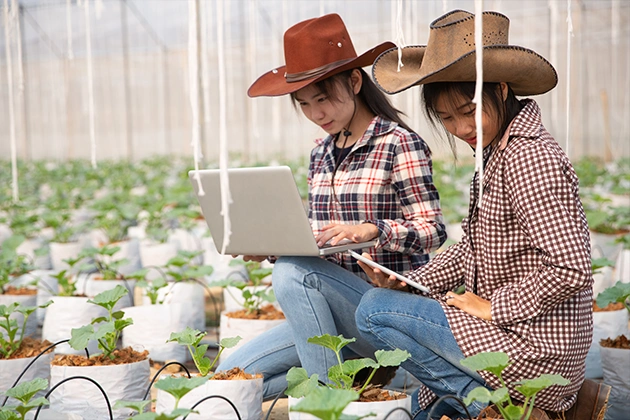
Farmers are the heart of community food systems and local economies. Their work remains vital. However, there are challenges for modern agriculture. Market prices, weather conditions, and operational costs can backfire, putting a lot of uncertainty. Thus, today’s producers find themselves in the middle of a financial paradox. Access to adequate financial solutions enables resilience for operations and longer-lasting viability. In this post, we go through some of the economic instruments and approaches that assist people in farming.
The Role of Specialized Agricultural Finance
Navigating today’s agricultural challenges requires more than traditional banking—it calls for financial partners who truly understand farming. Specialized agricultural finance providers offer industry-focused insights, flexible products, and long-term support tailored to producers’ realities. Institutions such as Rabo Agrifinance play a critical role in helping farmers manage risk, stabilize cash flow, and plan for sustainable growth. The following sections outline the key financial tools and strategies that support modern agricultural producers.
Understanding the Unique Needs of Agricultural Producers
Compared to other industries, the financial needs of farmers and ranchers are different. Seasonal revenue cycles require planning. Revenue takes time, but expenses make themselves known. They must front the cost of equipment purchases, seed, feed, and fertilizer. Insufficient cash flow caused by climate events or market fluctuations leaves producers with a variety of risks that require flexible options to manage. Well-timed financial backing is capable of supporting stability during times of hardship.
Versatile Financing for Agricultural Businesses
A useful approach is flexible financing. One of the most important things about agricultural loans is that they are designed to fit with how the industry makes its money. Repayment periods are often timed with harvest seasons or livestock sales. This enables producers to repay loans when income is available. They can also pay for things like seed or fertilizer on a short-term basis. Loans with longer terms can be used to finance a farm or a large purchase of equipment. Different lenders offer different interest rates and collateral.
Operating Lines of Credit
Another helpful resource is working lines of credit. These credit lines offer continuous access to funds when required. As income materializes, producers only take out loans as needed, repaying them. This is useful at any given point where you face unexpected expenses or a slowdown in cash flow. Only the balance you borrowed will be charged interest, not the entire credit limit. A line of credit, if used appropriately, can help keep daily operations moving successfully without interruption.
Equipment Financing Solutions
Modern agriculture depends heavily on reliable equipment, from tractors and harvesters to irrigation systems and advanced technology tools. Financing options make these investments more manageable by spreading costs over time. Producers can choose between leases, which provide access to essential equipment without a large upfront expense, or loan programs that lead to ownership through multi-year payments. Selecting the right option depends on the farm’s cash flow, operational needs, and long-term goals.
Insurance Products for Risk Management
Farm income can be threatened by unpredictable weather and market conditions. Among the services, insurance products are very significant in mitigating those risks. Crop insurance protects farmers against yield losses that are due to factors outside their control — such as drought, flood, or disease. Losses from illness or accidents are covered under livestock insurance. Price protection through revenue protection policies. It provides a safeguard against any nasty single season causing that financial disaster we all dread.
Government Support Programs
Agricultural producers may be eligible for government support programs. These programs may provide loans, grants, or technical assistance. Other initiatives target beginning farmers or farmers in underserved communities. After severe weather events, disaster relief funds may be made available. Incentives for sustainable agricultural practices can be found in conservation programs. Producers need to continue to keep up with available programs and the requirements needed to qualify for them. That said, filing for government assistance can definitely ease your burden in these tough times.
Farm Succession and Estate Planning
Appropriate succession planning really drives long-term success in agriculture. Transferring a farm to the next generation encompasses more than just dollars and cents and legal matters. Planning can prevent family conflicts and limit tax consequences. There are experts, such as financial advisors and lawyers, who can structure the transition to make it more manageable. Using tools such as trusts or buy-sell agreements helps to clear uncertainties and measures. Properly planned, this will allow for the easy transfer of assets while ensuring the ongoing operation of the farm.
Budgeting and Cash Flow Management
A realistic budget is essential for effective financial management. Starting with accurate gross margin projections and maintaining detailed budgets helps producers clearly understand their true costs. Consistent expense tracking ensures nothing is overlooked, while monitoring monthly income makes it easier to anticipate cash shortages or surpluses. This insight supports better spending decisions and helps make major purchases wisely. With the help of modern accounting software, budgeting and record-keeping become simpler, supporting both short-term stability and long-term financial health.
Diversification as a Financial Strategy
Diversification can strengthen financial resilience. Producers who grow multiple crops or raise multiple livestock species are better protected from being overly dependent on any single market. Including new or value-added items and activities, such as agritourism or direct sales, can provide additional income sources. Diversification reduces the risk & serves as protection against price drops or crop failures. It takes foresight for a new venture to be fitted to the farm. Profitable diversification tends to be more sustainable.
Marketing and Direct Sales Approaches
To maximize returns, producers must pair quality products with effective marketing. Selling directly to consumers, farmers’ markets, or local restaurants often results in higher margins by reducing intermediaries. Building strong relationships fosters trust and long-term customer loyalty, while online platforms expand reach and create new sales opportunities. In competitive markets, clear branding and consistent communication help differentiate products and justify premium pricing.
Technology Adoption for Financial Efficiency
Technology adoption can accelerate operations and reduce expenses. Instruments such as precision agriculture, automated irrigation, and farm administration software programs enhance efficiency. Analytics allow producers to make better decisions regarding planting, fertilization, and harvesting. It enhances outputs and minimizes waste. While investing in digital solutions comes with an initial cost, it usually results in a better ROI with increased productivity in the long run. Funding or financial assistance may be offered for the purpose of pursuing technology.
Tax Planning for Agricultural Businesses
In the case of farm profitability, tax planning is important. Producers may benefit from deductions and credits for equipment purchases, conservation practices, or business expenses. Accurate records make filing taxes easier with fewer mistakes. A specialist tax specialist can help find areas to save money. By being able to predict how much you owe in taxes when they are due, you avoid any surprises with tax payments, and you also help ensure steady cash flow throughout the year. This, in turn, leads to proper financial health of the operation for the long run through tax-efficient strategies.
Building Relationships with Financial Advisors
Working with a knowledgeable financial advisor can significantly strengthen a producer’s financial strategy. Advisors with agricultural expertise provide tailored guidance on loans, investment planning, and risk management. Regular check-ins allow financial plans to be adjusted as market conditions and operational needs change. Having a trusted partner to answer questions and offer informed advice leads to better decisions and improved financial outcomes.
Community Support and Peer Networks
Fellow producers and community organizations provide a wealth of resources: producer associations, cooperatives, and/or local groups often offer education, networking, and advocacy. Discussing with peers can result in innovative solutions and complementary chances. Cooperative purchasing or community-based financing can achieve cost savings and create end-user collective bargaining power. The producer will be better informed about trends and best practices by staying connected. Close-knit communities can become resilient and supportive of each other.
Transitioning to Sustainable Practices
Adopting sustainable practices offers both environmental and financial benefits. Methods such as cover cropping, conservation tillage, and organic production can improve soil health while reducing long-term input costs. Sustainability also opens new marketing opportunities among consumers who value responsibly produced goods, and some practices may qualify for grants or incentive programs. While the financial returns may develop gradually, integrating sustainability into financial planning often leads to stronger yields, market access, and long-term profitability.
Accessing Educational Resources and Training
Continuous learning plays a vital role in long-term business success. Programs, workshops, and online courses covering finance, marketing, technology, and other key topics help producers stay informed and adaptable. Training opportunities are often available through universities, extension services, and local organizations. Keeping up with new developments strengthens decision-making, supports smarter financial choices, and encourages ongoing innovation.
Preparing for Unexpected Challenges
Unpredictable events such as natural disasters and climate-related disruptions can significantly affect agricultural operations. Having a contingency plan in place is essential, including emergency savings, flexible budgeting, and regularly reviewed insurance coverage. Open communication with lenders and suppliers during difficult times helps preserve strong relationships and access to support. By staying prepared and adaptable, producers can reduce long-term impacts and maintain the confidence needed for continued success.
Expanding Through Partnerships and Collaborations
Partnerships can be powerful drivers of growth and opportunity. Collaborating with neighboring producers or complementary businesses can lead to shared initiatives that spread costs and reduce risk. Joint efforts in marketing or distribution often open doors to new markets and customer segments. Successful partnerships rely on clear expectations, open communication, and mutual trust, and when structured well, they strengthen financial stability and encourage innovation.
Conclusion: Building a Strong Financial Future
Agricultural producers continue to face financial pressure, but a wide range of solutions can support both stability and growth. Flexible financing options—such as loans, operating lines of credit, and equipment financing—help protect cash flow and keep operations running smoothly. Insurance products and government programs further reduce risk and support recovery during challenging periods, while sound financial planning promotes long-term sustainability. Growth opportunities also emerge through technology adoption, sustainable practices, and diversification.
Equally important is having trusted advisors and peer networks to lean on. Continuous learning and proactive planning for disruptions strengthen resilience and decision-making. By thoughtfully applying these strategies, producers can navigate uncertainty, maintain day-to-day operations, and position their businesses for future success. With the right financial tools and support, agricultural producers can continue nourishing communities and strengthening economies for generations to come.