
For years, digital marketing promised businesses greater reach and stronger customer engagement. But as advertising costs rose and organic reach declined, many companies found themselves increasingly dependent on third-party platforms to connect with customers they had already worked hard to attract.
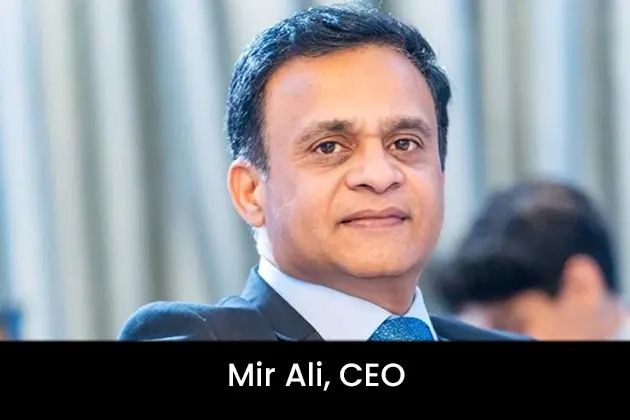
Mir Ali, CEO of cirQQles, saw this challenge firsthand through years of conversations with entrepreneurs and business leaders. Across industries, he heard the same frustration: businesses were investing more in marketing while losing control of their customer relationships.
Determined to change that dynamic, Mir founded cirQQles, a platform built around the idea that businesses should own their audiences, not rent access to them. By combining community-building, loyalty programs, digital storefronts, and AI-powered personalization, cirQQles helps organizations create direct, lasting relationships with Their customers while reducing reliance on traditional social media platforms.
In this interview, Mir Ali shares insights on audience ownership, AI-powered engagement, community building, and the future of customer relationships
Q1. cirQQles is redefining how businesses engage with their audiences. What market gap did you identify that inspired the creation of the platform?
A: Honestly, the idea for cirQQles didn’t come from a business plan or a market research report. It came from years of conversations with business owners who were frustrated. They were spending more on ads, posting more content, and working harder than ever, yet reaching fewer people and seeing less return.
What really struck me wasn’t the cost—it was the lack of control. These businesses had worked hard to earn their customers, but they didn’t actually own the relationship. Platforms controlled the reach, changed the rules, and stood between businesses and the people who already wanted to hear from them.
I kept thinking there had to be a better way. That’s why we built cirQQles—to give businesses a direct connection to their customers through a branded community and storefront they own and control themselves.
Q2. Your approach emphasizes building owned communities rather than relying on third-party platforms. Why do you believe audience ownership is becoming a critical business priority?
A: Because businesses are realizing that rented attention is getting more expensive and delivering less value. We’ve seen this pattern before. Email, SMS, and social media all started as powerful ways to connect directly with customers, but over time they became increasingly pay-to-play as platforms monetized access.
I believe the businesses that succeed in the future will be the ones that own their audiences today. When you own the relationship, you’re not at the mercy of algorithm changes or rising advertising costs. Every new member strengthens that connection and adds long-term value. That’s more than a marketing tactic—it’s a business asset that grows over time.
Q3. Artificial intelligence is at the core of many mode business solutions. How does cirQQles leverage AI to enhance customer engagement while maintaining a personalized experience?
A: Our AI engine — Q-Pilot — does something most AI marketing tools don’t :it learns the specific business, not just the industry. When we onboard a new client, Q-Pilot analyses their brand, their website, their audience, and their goals to generate content, campaigns, and storefront copy that sounds like them — not a template.
The personalization extends to the member experience too. Q-Pilot helps segment audiences, time messages for maximum engagement, and create offers that feel relevant rather than broadcast. The result is that a push notification from a cirQQle feels like a message from a business you like — not an ad from a brand you follow.
The managed service layer is what makes the AI meaningful. AI tools alone require someone to operate them. cirQQles pairs Q-Pilot with a dedicated team that uses it strategically — so the intelligence is applied with human judgment, not just automated output.
Q4. Many businesses struggle to cut through digital noise and capture customer attention. What strategies or tools within cirQQles have proven most effective in addressing this challenge?
A: The honest answer is that we don’t cut through the noise — we route around it entirely.
Every strategy designed to cut through the noise is still playing on someone else’s platform, by someone else’s rules. The feed is still crowded. The algorithm is still in charge. You’re still renting the attention you need.
The most effective tool in cirQQles isn’t a feature — it’s the architecture. When a customer joins a cirQQle, they’re opting in to a direct relationship with that business. The next time that business sends a push notification, it arrives directly on the customer’s phone — not a feed competing with hundreds of other brands, but a direct notification from a business they chose. That’s not cutting through noise. That’s bypassing it entirely.
The businesses that see the most dramatic results are the ones that invest in growing their cirQQle membership consistently — because every member added is a permanent, algorithm-free audience that compounds over time.
Q5. As customer expectations continue to evolve, what emerging trends in community-building and audience engagement are you most closely watching?
A: Three things are converging that I believe will define the next decade of customer engagement.
First, the shift from followers to members. Consumers increasingly want genuine communities rather than algorithm-driven engagement. Businesses that create a sense of belonging will build stronger, lasting loyalty.
Second, local digital infrastructure. Many businesses have a strong physical presence but lack direct digital connections with nearby customers. This untapped local audience represents a major growth opportunity.
Third, the owned audience economy. More companies are realizing the value of owning customer relationships instead of relying on third-party platforms. Those that build owned audiences today are creating long-term business assets.
Q6. Can you share a success story that demonstrates how cirQQles has helped a client strengthen customer loyalty, increase engagement, or achieve measurable business results?
A: One of our most memorable success stories involved a go-kart complex. Before cirQQles, they relied heavily on Facebook and Instagram ads to bring back customers who had already visited, which meant constantly paying to reconnect with people they had already won over.
After launching their cirQQle community, they shifted to direct engagement through personalized offers and push notifications. The impact was significant: their member base grew by 132%, customer lifetime value increased by 43%, and dependence on advertising dropped by 45%.
We’ve seen similar results in retail as well, where one client achieved 230% growth in member reach, reduced ad spend dependency by 85%, and tripled engagement rates. These results reinforce a simple idea: when businesses own the relationship, loyalty grows naturally and marketing becomes far more effective.
Solving the Ownership Problem
The vision behind cirQQles was shaped by years of observing businesses struggle with a growing challenge: maintaining direct relationships with customers in an increasingly platform-driven world.
Mir saw companies investing heavily in digital marketing while gradually losing control over audience access. The more dependent businesses became on algorithms and paid advertising, the harder it became to build lasting connections.
From Followers to Members
This insight led to the concept of audience ownership. Rather than helping businesses accumulate followers, cirQQles focuses on helping them build communities of members who actively choose to engage.
Through branded communities, loyalty programs, storefronts, and AI-powered personalization, the platform enables businesses to create deeper, more sustainable customer relationships.
A Vision for the Future
Looking ahead, Mir believes businesses will increasingly prioritize direct customer connections over platform dependency. As acquisition costs rise and attention becomes more valuable, organizations that own their audiences will have a significant advantage.
It is a future he often describes as “the road with no toll booths”—a world where businesses own their communities, customers control their attention, and meaningful relationships create lasting value for both sides.
“We are a direct marketing platform connecting businesses with communities without the complications and costs associated with traditional tools.”
— Mir Ali, CEO