
A person dealing with a health problem is usually dealing with much more than the problem itself. There may be appointments to arrange, questions about treatment, changes at home, work that becomes difficult to manage, or family members trying to figure out how they can help. For some people, the hardest part is having to depend on others for things they once handled themselves.
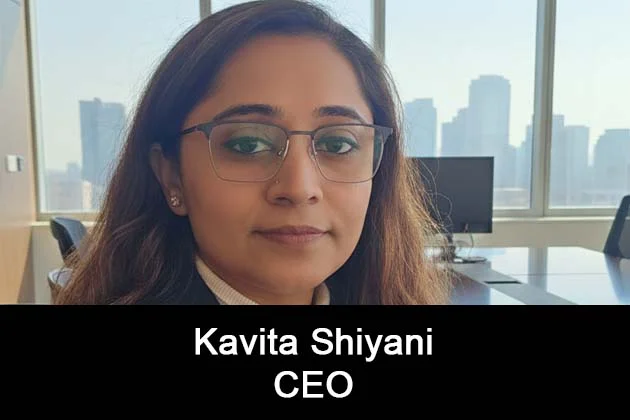
Years spent working in hospitals and aged care gave Kavita Shiyani a close view of these situations. As a nurse, she saw the value of good clinical care, but she also saw where people sometimes needed something more. Some needed specialist support that was not easy to access. Others needed more time and a service that could take their individual circumstances into account.
Those experiences eventually led Shiyani to establish CaptainK Supports and Cares. As CEO, she now leads a healthcare organisation focused on community support and specialist nursing services. Her approach has remained closely tied to what she learned as a nurse: a person should not be reduced to a diagnosis, disability, or list of healthcare requirements.
The work at CaptainK reflects that view. Participants are encouraged to have a say in their care, while families, carers, and other professionals can be involved where their input is important. For Shiyani, this is about making care work in real life, not simply on paper.
Seeing the Gaps from Inside Healthcare
Shiyani’s decision to start CaptainK came from experience rather than a desire to simply build a business. Working in hospitals and aged care allowed her to see healthcare from the inside and understand both what the system does well and where people can struggle.
One of the things that stayed with her was how different people’s needs could be, even when they had similar medical conditions. One person may be focused on staying independent at home. Another may be trying to return to work. Someone else may need their family to understand how best to provide support.
A standard approach cannot always account for those differences. Shiyani wanted CaptainK to give people more room to talk about what they actually needed. Her focus is not only on the clinical side of care but also on the person’s goals, preferences and circumstances.
That means working with the people around the participant as well. Families and carers often know things that may not come up during a clinical appointment. Other healthcare professionals may have information that helps build a clearer picture of the person’s needs.
Bringing those perspectives together can make care more useful and more manageable for the person receiving it.
Giving Continence Care the Attention It Deserves
Continence is one of the specialist areas that has become an important part of Shiyani’s work. It is also an area where embarrassment can stop people from asking for help.
Many people find it difficult to talk openly about continence problems. They may worry about how others will react or assume that nothing can really be done. In the meantime, the problem can begin to affect everyday life.
Someone may stop attending social events because they are worried about finding a bathroom. Another person may avoid travelling. Some may become increasingly dependent on family members because they no longer feel confident managing things themselves.
Shiyani believes these concerns should be discussed without embarrassment. Continence is a healthcare issue, and people deserve the same level of attention and respect when talking about it as they would receive for any other condition.
Her approach also looks beyond simply managing symptoms. Understanding the underlying causes, identifying suitable interventions, preventing complications and helping people manage their condition are all important parts of specialist continence care.
There is also a personal side to the work. Shiyani has seen how a change that may seem small from a clinical point of view can mean a great deal to the person receiving care. Being able to go out without anxiety, take part in an activity again, or feel more comfortable discussing a private health issue can restore confidence.
Using Telehealth When Distance Becomes a Barrier
Australia’s geography can make specialist healthcare difficult to access. People living in regional or remote communities may have to travel significant distances to see the right professional. For someone with a disability, mobility difficulties, caring responsibilities or other personal commitments, that is not always practical.
CaptainK uses telehealth to make some specialist nursing services easier to reach. Where appropriate, consultations, education, clinical guidance and follow-up support can be provided without requiring the participant to travel for every appointment.
Shiyani sees a clear benefit in that arrangement, particularly for people who live a long way from specialist services. Instead of making the individual carry the burden of distance every time, some parts of their care can be delivered where they are.
She is careful not to suggest that telehealth can do everything. Some situations require a face-to-face assessment, and there are times when personal contact is important. Telehealth is simply another way to provide care when it is suitable.
That distinction is important to Shiyani because she does not want technology to become the focus. It should have a practical reason for being there. If it saves someone a difficult journey while still allowing them to receive appropriate specialist advice, then it is doing something useful.
The Learning Curve from Nurse to CEO
Starting CaptainK meant taking on responsibilities beyond nursing. Along with her clinical work, Shiyani had to learn about finance, governance, compliance, staffing, and running a business. She says balancing those responsibilities has been one of the harder parts of building the organisation.
The experience has also taught her to keep learning and rely on people with skills different from her own. What keeps her going is the reason she started CaptainK in the first place: her belief that the right support can help people regain confidence and independence.
Those experiences continue to shape how she leads. For Shiyani, good healthcare is not only about managing a condition. It is about helping people get back to living their lives.
Growing the Organisation Without Losing Its Purpose
Shiyani wants to grow CaptainK’s community healthcare and specialist nursing services across Australia, while continuing to develop its continence care and education for participants, families, carers, and support workers. She also wants to build a team where nurses and support staff can keep learning and feel supported in their work.
For her, growth should not come at the cost of personal care. She wants participants to feel known and listened to, rather than treated like another case. That same belief shapes her advice to other healthcare professionals who want to start a business: begin with a real need, keep learning, and bring in people who can strengthen the areas you do not know as well.
CaptainK grew from Shiyani’s nursing career, and that connection remains important to her. Her goal is simple: make specialist care easier to access, give people more confidence in managing their health, and never lose sight of the person behind the care.
“A person should not be reduced to a diagnosis or disability. They have their own goals, preferences, strengths and aspirations.”