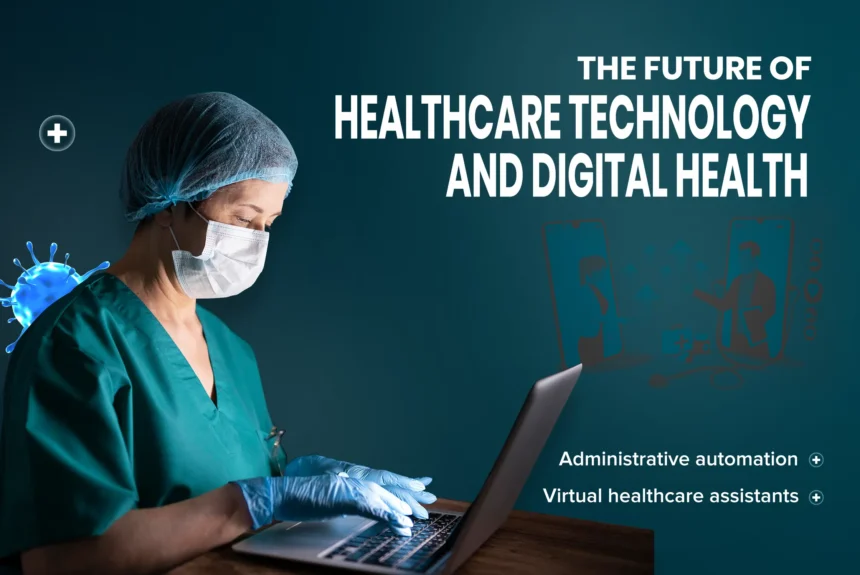
Healthcare is changing faster today than it has in decades. A visit to the doctor no longer always means sitting in crowded waiting rooms, carrying physical reports, or making repeated trips to hospitals for routine consultations. In 2026, healthcare is becoming smarter, more connected, and far more convenient for both patients and medical professionals. The rapid adoption of AI in Healthcare Industry solutions is playing a major role in this transformation, helping hospitals improve diagnostics, automate operations, and deliver more personalized care.
Technology has quietly become part of almost every aspect of healthcare. Hospitals now use cloud-based systems to manage patient records, wearable devices monitor vital signs in real time, and digital platforms allow doctors and patients to stay connected from virtually anywhere. What once felt futuristic has now become part of everyday healthcare.
Patients today expect healthcare services to work with the same ease as digital banking or food delivery apps. They want faster appointments, digital prescriptions, instant access to reports, and the ability to consult doctors remotely whenever needed. Healthcare providers are adapting quickly because modern healthcare is no longer only about treatment — it is also about accessibility, speed, efficiency, and patient experience.
At the same time, healthcare systems around the world are under enormous pressure. Rising treatment costs, aging populations, increasing chronic diseases, and shortages of healthcare workers are forcing hospitals and clinics to rethink how they operate. Digital health technologies are helping solve many of these challenges by improving workflows, reducing delays, and making healthcare delivery more efficient.
One of the biggest reasons healthcare technology is growing so rapidly is its ability to make care more proactive instead of reactive. Rather than waiting until patients become seriously ill, connected devices and smart monitoring systems can now detect warning signs much earlier. This shift toward preventive healthcare is changing how doctors approach long-term patient wellness.
Artificial Intelligence is Reshaping Healthcare
Artificial intelligence is transforming how hospitals, clinics, pharmaceutical companies, and research organizations operate. AI-powered systems are helping healthcare providers process huge amounts of medical data faster and more accurately than traditional methods.
AI is already being used in several important areas of healthcare, including:
- Medical imaging and diagnostics
- Predictive analytics
- Drug discovery and research
- Administrative automation
- Personalized treatment planning
- Virtual healthcare assistants
One of the most important uses of AI can be seen in diagnostics. Intelligent systems can analyze MRIs, CT scans, and X-rays with impressive accuracy, helping doctors detect conditions such as cancer, heart disease, and neurological disorders earlier.
Google Health is one of the leading healthcare AI platforms currently supporting medical imaging analysis and disease prediction. The platform uses machine learning technology to assist healthcare providers in identifying patterns within medical data that may otherwise go unnoticed.
IBM Watson Health has also played a major role in helping hospitals and researchers process clinical information, analyze healthcare records, and improve decision-making through advanced data analytics.
Another growing platform is PathAI, which focuses on AI-powered pathology tools for disease diagnosis and laboratory analysis. PathAI helps doctors improve diagnostic accuracy, particularly in cancer detection.
AI-driven predictive analytics is becoming another major healthcare advancement. Intelligent systems analyze patient history, lab reports, and real-time monitoring data to identify patients who may be at risk of complications or hospital readmission. This allows doctors to intervene earlier and potentially prevent serious medical emergencies.
Administrative work has always been one of the biggest challenges in healthcare. Doctors and nurses spend large amounts of time handling paperwork, appointment scheduling, billing, and insurance claims. AI-powered automation tools are reducing repetitive tasks and allowing healthcare professionals to spend more time focusing on patient care.
The pharmaceutical industry is also benefiting from AI-powered research. Platforms such as Tempus and Insilico Medicine are helping researchers analyze enormous biological datasets faster, accelerating drug discovery and personalized medicine development.
Virtual healthcare assistants and AI chatbots are becoming more common as well. Patients can now use intelligent systems to book appointments, receive medication reminders, access basic healthcare support, and communicate with healthcare providers digitally.
Telemedicine is Becoming the New Normal
Remote healthcare has evolved from a temporary solution into a permanent part of modern medical services. One of the most important Telemedicine Trends in 2026 is the rise of hybrid healthcare models where hospitals combine physical care with virtual consultations to improve convenience and accessibility.
Patients increasingly use telemedicine services for routine check-ups, follow-up consultations, prescription renewals, chronic disease management, and mental health support. Virtual healthcare helps reduce travel time while making healthcare more accessible for people living in remote areas.
Several major telemedicine platforms are leading this transformation globally.
- Teladoc Health remains one of the most widely used telemedicine platforms in the world. It allows patients to connect with doctors remotely through secure video consultations while also offering chronic disease management and mental healthcare services.
- Amwell is another leading virtual healthcare platform used by hospitals and healthcare systems for remote consultations, patient monitoring, and digital care coordination. Many healthcare providers use Amwell to expand healthcare access beyond physical clinics.
- Doctor On Demand focuses on virtual primary care and mental healthcare. Patients can connect with licensed physicians, psychologists, and therapists directly through the platform without visiting a hospital.
- MDLIVE has become popular for urgent care consultations, behavioral healthcare, and dermatology appointments through secure virtual care systems.
One of the fastest-growing telemedicine trends is remote patient monitoring. Wearable devices and connected medical sensors allow healthcare providers to monitor patient conditions continuously outside hospitals. Patients with chronic illnesses such as diabetes, hypertension, and heart disease can now share real-time health information with doctors without repeated clinic visits.
Mental healthcare is also seeing significant growth through telemedicine services. Online therapy and virtual counseling platforms are helping patients access mental health support more privately and conveniently, especially in areas where access to specialists remains limited.
The expansion of 5G connectivity is further improving telemedicine by enabling faster communication, smoother video calls, and quicker sharing of medical data between patients and healthcare providers.
Healthcare SaaS Platforms Are Modernizing Hospitals
Healthcare organizations are increasingly adopting cloud-based systems to improve operational efficiency and patient management. The demand for Best Healthcare SaaS Platforms is growing rapidly as hospitals and clinics replace outdated infrastructure with more flexible and scalable digital solutions.
- Epic Systems is one of the most widely used healthcare SaaS platforms globally. Large hospitals and healthcare networks use Epic to manage electronic health records, patient scheduling, billing, telemedicine services, and clinical workflows through a centralized platform.
- Cerner, now part of Oracle Health, is another leading healthcare technology platform used for patient record management, hospital operations, and healthcare analytics. Cerner helps healthcare providers improve coordination between departments while streamlining administrative processes.
- Athenahealth is especially popular among clinics and smaller healthcare providers. The platform offers cloud-based medical billing, patient engagement tools, telehealth services, and workflow automation designed to improve efficiency for healthcare practices.
- Salesforce Health Cloud focuses heavily on patient relationship management and personalized healthcare experiences. Hospitals and healthcare providers use the platform to improve communication, care coordination, and patient engagement.
- eClinicalWorks is widely used for electronic medical records, telemedicine integration, appointment scheduling, and patient communication services. Many healthcare providers rely on the platform to simplify clinical documentation and workflow management.
- NextGen Healthcare is another important SaaS platform focused on specialty healthcare practices. The platform helps healthcare organizations streamline documentation, billing, analytics, and patient management processes.
One of the biggest advantages of healthcare SaaS platforms is accessibility. Doctors and healthcare staff can securely access patient information from multiple devices and locations, improving collaboration and reducing treatment delays.
Modern healthcare SaaS systems are also improving patient experiences through online portals, appointment reminders, secure messaging systems, and mobile healthcare applications.
Cybersecurity has become a major priority for healthcare software providers as well. Most platforms now include advanced encryption, multi-factor authentication, secure cloud storage, and threat detection systems to protect sensitive patient data.
Scalability is another major advantage of cloud-based healthcare systems. Hospitals and clinics can expand digital services without investing heavily in expensive physical infrastructure or large internal IT teams.
Wearable Technology is Supporting Preventive Care
Wearable healthcare technology is becoming increasingly important in 2026. Smartwatches and connected medical devices allow individuals to monitor their health continuously throughout the day.
Devices such as Apple Watch, Fitbit, and Garmin wearables can track heart rate, oxygen levels, sleep quality, stress patterns, and physical activity in real time. Some advanced wearables can even detect irregular heart rhythms and alert users when medical attention may be needed.
For patients managing chronic illnesses, connected healthcare devices provide ongoing monitoring while reducing the need for frequent hospital visits. Doctors can review patient data remotely and intervene earlier when health concerns appear.
This shift toward preventive healthcare is encouraging people to become more involved in managing their own wellness before serious medical conditions develop.
The Future of Digital Health
The future of healthcare technology looks increasingly connected, personalized, and data-driven. Artificial intelligence, telemedicine, wearable devices, and cloud-based healthcare systems are expected to continue transforming patient care over the next decade.
Hospitals are becoming smarter through automation and connected infrastructure, while patients are gaining greater control over their health through digital tools and remote care services.
Healthcare providers that successfully balance innovation, accessibility, cybersecurity, and patient trust will lead the future of modern medicine. Digital transformation is no longer simply improving healthcare systems — it is redefining how healthcare itself is delivered.
The CEO Views is a leading business magazine in the USA, recognized for delivering insightful and impactful coverage of the latest trends, innovations, and technologies shaping the global business world. Catering to entrepreneurs, industry leaders, innovators, and business enthusiasts, the publication is committed to providing thoroughly researched, high-quality content that combines deep analysis with meaningful industry perspectives. With a strong emphasis on credibility, thought leadership, and editorial excellence, The CEO Views continues to empower its readers with knowledge and strategic insights while strengthening its position as a trusted voice in the business media landscape.