

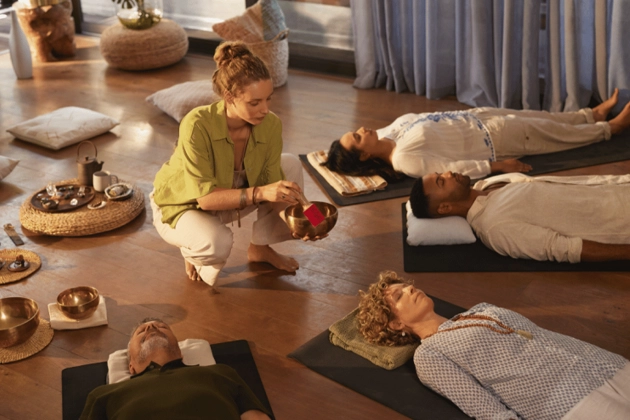
Across cultures and centuries, rituals have played an important role in how people reflect, reset, and reconnect with their surroundings. From spiritual ceremonies to simple daily practices, rituals have long helped individuals create moments of intention and mindfulness. While many of these traditions began thousands of years ago, their influence continues to appear in modern wellness habits today.
In a fast paced world filled with constant information and digital distractions, people increasingly search for practices that bring calm, focus, and personal clarity. Many wellness enthusiasts researching topics such as exploring the traditions behind an energy cleansing ritual kit discover that these practices are rooted in historical traditions that emphasized balance between the physical environment and personal wellbeing.
The Historical Roots of Ritual Practices
Ritual practices have been documented in nearly every civilization throughout human history. Ancient societies often used rituals to mark important transitions, celebrate seasonal cycles, or restore harmony within communities.
In many traditions, rituals were believed to influence both the internal and external environment. They often involved symbolic actions designed to encourage reflection, gratitude, or spiritual awareness.
Examples of ancient ritual practices include:
- Burning aromatic plants during ceremonies
- Using natural elements such as stones or water in purification rituals
- Creating sacred spaces for meditation or prayer
- Practicing intentional breathing or chanting
Although the specific meanings varied across cultures, the purpose of these rituals often centered on restoring a sense of balance and connection.
Natural Elements in Traditional Rituals
Natural materials frequently played a central role in traditional rituals. Plants, minerals, and other elements from the natural world were believed to carry symbolic or spiritual significance.
Herbs and aromatic plants, for example, were often burned during ceremonial gatherings or personal reflection practices. The rising smoke was sometimes interpreted as a symbolic method of clearing stagnant energy or setting intentions.
Similarly, objects made from natural materials such as wood, stone, or clay were used in rituals to represent grounding, stability, and connection to the earth.
These traditions demonstrate how closely ancient cultures associated wellbeing with the natural environment.
Cultural Interpretations of Cleansing Rituals
Cleansing rituals have appeared in many cultural traditions, each with its own interpretation and symbolic meaning.
In some Indigenous cultures, smoke cleansing ceremonies were practiced as part of spiritual traditions that emphasized respect for nature and community. These rituals were typically performed by trained spiritual leaders and carried deep cultural significance.
In other regions, water based rituals were used to symbolize purification and renewal. Sacred rivers, baths, or ceremonial washing practices were seen as ways to begin new phases of life with clarity and intention.
The common theme across these traditions was the belief that intentional practices could help individuals release stress, reflect on their experiences, and create space for renewal.
The Modern Rise of Mindfulness Practices
In recent decades, mindfulness has become a widely discussed concept in wellness communities. Mindfulness involves paying attention to the present moment with awareness and intention.
Many modern mindfulness practices share similarities with traditional rituals. Activities such as meditation, journaling, breathwork, and intentional reflection encourage individuals to slow down and focus on their mental and emotional state.
These practices help create structured moments of calm in otherwise busy routines. For many people, incorporating simple rituals into daily life can improve concentration, emotional awareness, and overall wellbeing.
The Role of Ritual in Stress Management
Modern life often exposes individuals to constant stimulation. Work demands, social media, and digital communication can make it difficult to disconnect and relax.
Rituals can act as psychological signals that help the mind transition between different states. For example, a morning ritual may signal the beginning of a productive day, while an evening ritual may encourage relaxation and reflection.
Researchers studying mindfulness practices have observed that intentional routines can help regulate emotional responses and reduce stress. According to information summarized by the National Center for Complementary and Integrative Health, mindfulness practices may support emotional balance and stress management when incorporated into daily routines.
Although rituals vary widely in form, their effectiveness often comes from the sense of meaning and consistency they create.
Creating Personal Ritual Spaces
Modern wellness habits often include creating small areas dedicated to reflection or relaxation. These spaces might include natural materials, calming scents, or objects that hold personal meaning.
Some individuals design these spaces to encourage meditation or journaling. Others simply use them as quiet areas for reading or reflection.
Common elements used in personal ritual spaces include:
Natural materials
Wood, stone, and plants help create a grounded atmosphere that reflects the natural world.
Soft lighting
Gentle lighting can create a calm environment that encourages relaxation and focus.
Meaningful objects
Items associated with personal goals or values may serve as reminders during reflection practices.
These environments provide a physical space where intentional habits can develop more easily.
Blending Tradition With Modern Interpretation
The renewed interest in rituals does not necessarily mean people are adopting ancient practices exactly as they were originally performed. Instead, many individuals reinterpret these traditions in ways that fit contemporary lifestyles.
For example, someone might incorporate a brief moment of reflection in the morning, light a candle while journaling, or practice breathing exercises before bed. These activities may not follow traditional rituals precisely, but they still carry the core intention of creating awareness and calm.
The adaptability of ritual practices is one reason they continue to remain relevant in modern life.
Why Rituals Continue to Matter
The growing interest in rituals reflects a broader cultural shift toward intentional living. As people become more aware of the effects of stress and constant stimulation, many seek ways to reconnect with themselves and their surroundings.
Rituals provide structure and meaning in everyday life. Even simple habits performed consistently can create a sense of stability and clarity.
Whether rooted in ancient traditions or modern interpretations, rituals remind individuals to pause, reflect, and approach daily experiences with greater awareness.
As wellness practices continue to evolve, the influence of historical rituals will likely remain visible. Their enduring presence highlights the universal human desire to create moments of balance, reflection, and connection in the midst of an ever changing world.