

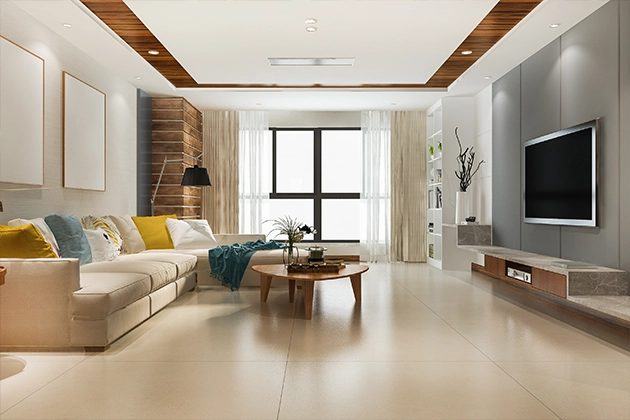
Homes are starting to feel a little different. Less staged, less trend-chasing, and less obsessed with instant transformation. In their place is something slower, warmer, and far more personal.
That shift is closely tied to the wider Slow Living movement, which encourages a more intentional way of living. In interiors, that often means choosing materials that last, decorating more thoughtfully, and building a home over time rather than trying to perfect it in one go. Recent design coverage has linked this slower, character-led approach with a broader move towards natural materials, craftsmanship, sustainability, and spaces that feel lived in rather than overly polished.
Natural flooring fits neatly into that mindset. It’s practical, tactile, and quietly beautiful. More importantly, it tends to get better with age.
What is a Slow Home?
A slow home isn’t about having an empty house, a beige palette, or a perfectly curated minimalist look. It’s about intention.
Rather than filling rooms quickly with whatever is cheapest or most on-trend, the slow home approach focuses on buying less and choosing better. Materials are selected for how they feel, how long they last, and how well they will live with everyday life. That’s one reason natural textures, darker woods, layered finishes, and character-led interiors continue to resonate in current design conversations.
A slow home typically includes:
- Quality materials over throwaway pieces
- Timeless foundations instead of constant trend updates
- Furniture and finishes that can age gracefully
- Décor that reflects real life, not just social media
The floor plays a big part in all of that. It’s one of the largest surfaces in any room and it sets the tone before furniture, paint, or styling ever come into the picture.
Why People are Investing in Materials That Age Well
A big reason behind the shift is that people are tired of replacing things.
Fast décor can be fun in small doses, but it often dates quickly. One year boucle’s everywhere, the next it’s chrome, then suddenly everything needs to be scalloped, stripped, or colour-drenched. Trends move quickly because they’re designed to. A good floor works differently. It’s meant to anchor the room for years.
That’s where natural materials stand apart. Wood, stone, and other tactile surfaces don’t rely on novelty. Their appeal comes from texture, variation, and depth. Small marks, subtle fading, and changes in tone aren’t always seen as flaws. In many homes, they become part of the charm.
This lines up with a wider design culture that’s moving away from perfection and towards individuality. Slow decorating, biophilic design, and the renewed love of warm, natural finishes all point in the same direction: people want homes with feeling, not just visual impact.
Wood Flooring vs Fast Décor Trends
Wood flooring is a useful example of the slow home mindset in action.
Unlike fast décor trends, which are often surface-level and short-lived, wood has a sense of permanence. It can be sanded, restored, and lived on for decades. It doesn’t need to stay ristine to look good either. In fact, a few signs of life can make it look even better.
That’s the appeal of wood flooring! It doesn’t freeze a room in time, it evolves with it.
Fast décor, on the other hand, tends to be about quick visual change. There’s nothing wrong with experimenting through paint, cushions, or smaller accessories, but when it comes to the fixed parts of a home, longevity matters more. Flooring isn’t something most people want to replace every couple of years, so it makes sense to choose a material with staying power.
This also doesn’t meant every home needs traditional solid planks in a rustic finish. Slow design isn’t one specific look. It’s more about choosing a floor that will still feel right years from now. Whether that’s a brushed oak, character-grade parquet, or a natural-toned engineered wood with visible grain and warmth.
Floors That Develop Character Over Time
One of the nicest things about natural flooring is that it doesn’t always peak on day one.
Some floors are at their best when they’re box-fresh and untouched. Natural wood is often the opposite. Over time, it can soften, deepen, and develop a patina that gives the room more richness. Light changes it. Daily life changes it. The home gradually leaves its mark.
That ageing process suits the slow home idea perfectly because it reflects real living. A hallway that grows a little more character each year. A dining space where the floor becomes part of family routines. A living room that feels more settled, not more tired.
For homes that want warmth and longevity, that kind of visual evolution is a benefit rather than a drawback.