

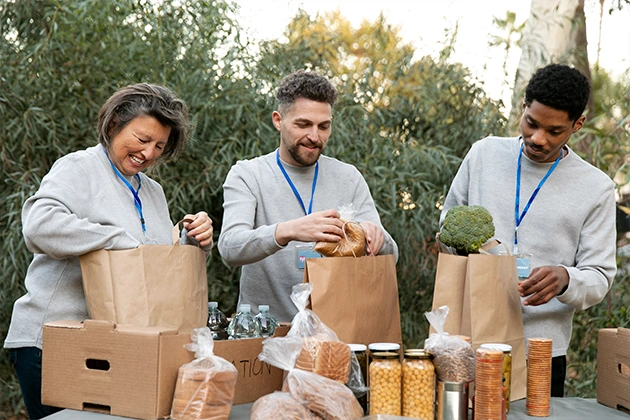
Volunteering at a food bank is a great way to help your community and support those in need. Many families and individuals face food insecurity, and volunteering can help address this important issue. Food banks depend on volunteers to keep things running smoothly. If you’re new to volunteering, it might seem a bit daunting, but it’s a rewarding experience for everyone, no matter their skill level.
Food banks operate year-round, providing vital services to communities. By giving your time, you can help ensure that food reaches the people who rely on it. Here’s how you can start volunteering at food banks.
Find Your Local Food Bank
The first step is to find a food bank near you. Many cities have various organizations working to fight food insecurity, so do some research. Websites like Feeding America have directories to help you find food banks in your area. After you find a few, check their websites or social media pages to learn about their mission, services, and volunteer needs.
Each food bank Toronto has different requirements. Some may focus only on distributing food, while others offer additional services like cooking classes or job training. Make sure you understand their operations to ensure your time matches their needs and your interests.
Consider the Types of Volunteer Work
Volunteering at a food bank offers different roles depending on your interests and the food bank’s needs. Many food banks need help sorting and packing food items. This task involves checking, cleaning, and organizing donations. This work is essential to ensure that the food provided is safe and well-labeled.
Another opportunity is helping at food distribution events. These gatherings allow volunteers to give pre-packed boxes or bags of food to families and individuals. This role is a great way to interact with community members and see the impact of your efforts.
Many food banks also need help with administrative tasks like data entry, marketing, and outreach. If you’d rather work behind the scenes, this could be a good fit for you.
Understand Your Commitment
Before you start volunteering, make sure you know what is expected of you. Some food banks want regular help each week or month, while others have one-time events or short-term projects.
Be honest about what you can commit to. Regular volunteers often build a stronger connection with the community and the people they help. If you have a busy schedule, that’s okay. Just let them know your availability.
Most food banks understand that volunteers have different schedules. Good communication will help set expectations and ensure that you both understand your level of commitment.
Attend Orientation and Training
Many food banks require new volunteers to go to an orientation or training session before they start. This session helps you learn about the organization, its mission, and food safety rules. It’s also a chance to meet other volunteers, ask questions, and get comfortable with the environment.
Feel free to ask questions during these sessions. You should understand the food bank’s vision on food security and food insecurity. Knowing this can help you feel more connected to your work and more motivated to help.
Get Ready for Your Experience
After signing up and attending training, it’s time to prepare for your volunteering experience. Most food banks provide the necessary equipment, but you should wear comfortable clothes and closed-toe shoes, especially for physical activities.
Bring a water bottle to stay hydrated and maybe a snack if your shift is long. Getting to know the team and other volunteers can make the day more enjoyable, so don’t hesitate to engage and start conversations.
Make an Impact
You may feel the impact of your work at a food bank through the stories of those you help. Whether you’re packing food boxes, interacting with community members, or sorting donations, you play an important role in reducing food insecurity in your area. It’s a rewarding way to spend your time, knowing your efforts help families access nutritious meals.
Volunteering at a food bank doesn’t have to be overwhelming. Take each step at your own pace, stay open to learning, and embrace the connections you’ll make along the way.