

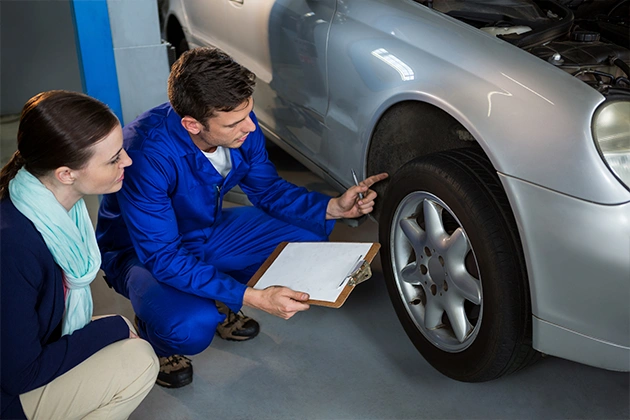
Automobile safety is influenced by aspects such as the quality of the chassis, braking technology, suspension tuning, and body design. But the performance of the tire is often overlooked as a significant contributor to safe driving. Moreover, the speed rating is not a factor that receives as much attention as it should. These ratings are critical in determining how a vehicle will perform. They promote safer road trips and help vehicle owners make better decisions based on the driving conditions that affect the ratings.
What Tire Speed Ratings Mean
Tire speed ratings reflect the speed at which a tire can be driven safely for extended periods of time. The tire sidewall carries a letter identifying each rating. These letters indicate the maximum speed the tire can achieve while still performing well. As an example, a tire with an “H” is permitted to be driven up to a certain speed, which is normally documented in technical charts. Selecting a tire with the right speed rating is a matter of safety as well as comfort, arguably.
Temperature and Weather Effects
Weather conditions heavily influence tire speed ratings. High temperatures can accelerate tire wear, making them perform worse at higher speeds. However, in colder conditions, the same situation can stiffen a tire, possibly reducing grip and response. Coupled with rain, snow, or ice, things get even trickier, often requiring drivers to choose between tires validated on wet or slippery surfaces. Tires designed for faster speeds aren’t necessarily the best options in inclement weather.
Road Surface Quality
Road surface quality influences the performance of a tire at its rated speed. Tires work nearer to their speed potential on perfectly smooth highways. Conversely, rough or uneven trails can be dangerous because they might damage tires or hinder their optimal performance. The tire’s structure could be compromised, making driving at high speeds on the same road dangerous due to potholes, gravel, and debris. Therefore, drivers who frequently travel on unpaved or poorly maintained roads may prefer tires with ratings that are more appropriate for their standard driving conditions rather than the fastest tire. In some cases, drivers also upgrade suspension components such as Coilover Kits to improve handling stability and ride control on uneven surfaces.
Tire Maintenance and Age
It’s easier to maintain a speed rating when a tire receives regular maintenance. As tires age or wear down, they become unsuitable for higher speeds even if they were originally rated for it. Tires should be inflated to the proper level, as when they are not inflated properly, they will flex as they roll and generate more heat and wear out faster. Over time, rubber degrades, potentially diminishing a tire’s high-speed performance. Tires should be replaced on a regular schedule or when they start to show signs of age or wear to ensure safety and maintain optimum speed performance.
Matching Tires to Intended Use
Some tires are designed specifically to perform well under certain conditions, like rain, snow, or off-roading, while others are made for more general use. Thus, purchasing tires based on how you plan to drive the vehicle will ensure the best performance and safety. Not all drivers need high-speed-rated tires, particularly if they use their vehicle for city driving. For the sportier types and highway drivers, tires with higher ratings allow better performance and stability at sustained velocities.
Legal and Insurance Considerations
Different vehicles may sometimes require different local regulations for the tires and their ratings. Using tires with lower ratings may result in penalties or problems with your insurance. In the case of an accident, insurance policies may not provide total coverage for the use of underinflated tires. In fact, they may try to reduce or deny coverage. Before buying new tires, drivers are advised to check state and local laws, along with insurance requirements. This helps to remain problem-free.
To Sum Up
When it comes to tire speed ratings, it’s not just a letter you find on the sidewall. They indicate a tire’s behavior and responsiveness in different driving conditions (weather, road quality, loads, etc.) Making informed decisions based on these tire ratings, especially based on actual driving environments, will make vehicles safer and more reliable. Therefore, regular inspections, selections, and upkeep are performed, resulting in a safe journey, regardless of any unforeseen events.