For many vehicle owners, a junk car feels like a financial dead end. It no longer runs, repairs cost more than the car is worth, and the idea of selling it often sounds complicated or pointless. As a result, these vehicles sit unused in driveways, garages, or backyards, quietly losing value.
Finding out exactly how much requires just minutes with a Cash for Junk Online Quote tool that evaluates make, model, condition, and location to deliver an instant offer without requiring inspection appointments or lengthy negotiations.
Why Junk Cars Still Have Real Value
A car does not need to be drivable or road legal to be valuable. Junk vehicles retain worth for several reasons:
- Reusable parts that are in constant demand
- Scrap metals such as steel, aluminum, and copper
- Components like catalytic converters, wheels, and transmissions
- Vehicles that can be rebuilt, dismantled, or recycled efficiently
Even cars with blown engines, accident damage, or salvage titles can generate meaningful payouts when sold through the right channels.
The Scale of the Overlooked Junk Car Economy
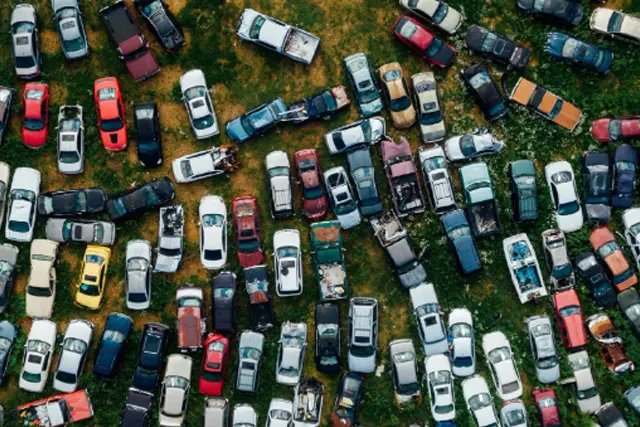
Across the United States, millions of vehicles reach the end of their usable life every year. Many of them are not immediately scrapped. Instead, they remain parked and idle, often because owners assume they have no resale value or worry about paperwork.
Nevertheless, there’s hidden value in junk cars. Millions of non-running, damaged, and unwanted vehicles collectively represent billions of dollars in untapped private value. Even vehicles in poor condition frequently sell for hundreds or thousands of dollars, depending on age, parts demand, and market conditions.
The conclusion is clear. Junk cars are not just clutter. They are depreciating assets that can be converted into cash with the right approach.
Why Owners Misjudge Their Car’s Worth
Most people evaluate a car’s value based on one question: “Can I drive it?” In the junk car market, that question is largely irrelevant.
Buyers look at vehicles differently. They assess:
- Parts compatibility and resale potential
- Metal content and recycling value
- Ease of dismantling
- Demand for specific components
- Title status and processing requirements
A car that costs thousands to repair may still be highly valuable to a professional buyer who needs its parts or materials.
The Paperwork Barrier That Keeps Value Locked Away
One of the biggest reasons junk cars sit unsold is legal uncertainty. Title transfers, salvage branding, lien releases, and DMV notifications can feel intimidating, especially if the vehicle has been sitting for years.
Many owners assume selling a junk car means navigating complex paperwork alone. In reality, specialized buyers exist specifically to manage these issues. When paperwork is handled correctly, selling a junk car becomes far simpler than most people expect.
Why Specialized Buyers Unlock More Value
Not all buyers are equal. Private buyers often hesitate to deal with junk cars due to title complications and resale restrictions. Scrap yards may focus only on metal weight, ignoring parts value.
Specialized junk car buyers, on the other hand, are equipped to handle:
- Salvage and branded titles
- Missing or damaged paperwork
- Non-running and severely damaged vehicles
- Legal transfer and release of liability
By understanding both the vehicle’s material value and the legal process, these buyers are often able to pay more while removing risk from the seller.
Time Is Not on Your Side
A junk car does not appreciate. Tires degrade, batteries fail completely, and exposure to weather reduces parts value. While some older vehicles maintain steady demand, most lose value the longer they remain idle.
Selling sooner converts a depreciating asset into immediate cash and eliminates future headaches related to storage, liability, or local code enforcement.
The Bigger Picture Most Owners Miss
Junk cars are not just an individual issue. On a national level, they represent a massive pool of underutilized assets. Vehicles that appear useless often fuel parts markets, recycling systems, and manufacturing supply chains.
For individual owners, this means something simple but powerful. That old car you have written off may still help cover bills, fund a new purchase, or simply free up space and peace of mind.
Turning a Junk Car Into an Informed Decision
The hidden value in junk cars is not a trick or a loophole. It is the result of supply chains, material demand, and professional buyers who understand how to extract value legally and efficiently.
The mistake most owners make is assuming the car is worthless without ever verifying its actual market value. Once you understand how the junk car market works, selling stops feeling like a loss and starts looking like a practical financial decision.
For many people, the biggest surprise is not how little their junk car is worth. It is how much value they almost left behind.