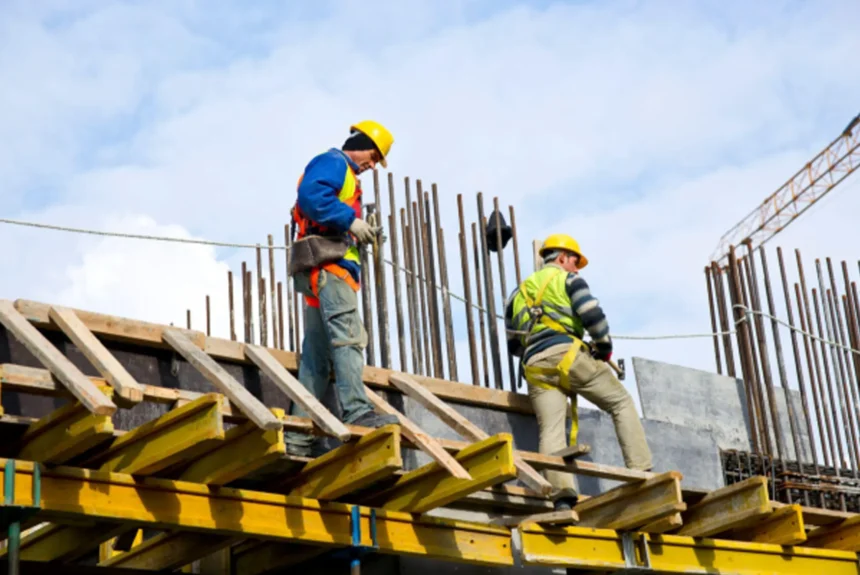
Florida puts millions of people to work in some of the country’s most physically demanding jobs. Construction crews build through the summer heat, hospitality workers stay on their feet through double shifts, and delivery drivers cover more miles every year. All that labor comes with a price that shows up in injury reports across the state. Knowing which accidents happen most and why helps workers spot danger before it finds them and act fast when it does. Reviewing the data on common work injuries in Florida is a smart starting point for anyone who wants to understand the risks of their own job. Here is what the numbers show and what you can do about them.
The Injuries Florida Workers Suffer Most
The most frequent workplace injuries are rarely the dramatic ones people imagine. Federal injury data shows that overexertion, meaning harm from lifting, pushing, pulling, and repetitive motion, leads all causes of serious nonfatal injuries year after year. Falls, contact with objects and equipment, and vehicle crashes fill out the top of the list. In practical terms, Florida workers most often deal with:
- Back strains
- Falls
- Struck-by injuries
- Vehicle crashes
- Heat illness
- Repetitive strain
The deadliest category tells a different story. Transportation incidents cause more workplace deaths than anything else, both nationally and in Florida, which means driving for work is the most dangerous task most employees ever perform. Falls rank close behind in Florida’s fatality data, hitting the construction trades hardest of all.
Why Florida’s Job Market Shapes the Trends
Injury patterns follow the work a state actually does, and Florida’s economy explains its numbers. Construction consistently records the highest count of workplace deaths in the state, with falls from roofs, ladders, and scaffolds driving much of the toll. Tourism and hospitality keep hundreds of thousands of workers lifting, hurrying, and standing on hard floors, which feeds the steady stream of strain and fall claims. Agriculture, landscaping, and logistics add heavy machinery and long road miles to the mix.
Then there is the factor no other big state matches: heat. Outdoor crews work through summers where the heat index passes 100 degrees for weeks, and heat exhaustion or heat stroke can strike an otherwise healthy worker in a single afternoon. Because so many Florida jobs happen outside year-round, exposure to harmful environments regularly ranks among the state’s top fatal event categories. These trends are not trivia. They show every worker where their own job’s dangers most likely hide.
The Rights That Kick In After an Injury
When prevention fails, Florida law hands the injured worker a set of rights that begin the moment the accident happens. Under Florida Statute 440.185, you must report the injury to your employer within 30 days, and doing it in writing protects you if anyone later disputes the date. From there, Florida Statute 440.13 requires the insurance carrier to provide all medically necessary treatment through an authorized doctor at no cost to you while you recover.
Fear should never keep those rights on the shelf. Florida Statute 440.205 forbids an employer from firing, threatening, or pressuring a worker for claiming benefits, and workers punished for filing can bring a separate legal claim over it. These protections cover nearly all employees, including seasonal and part-time staff. The system is far from perfect, and carriers deny plenty of valid claims, but the rights themselves are written into law and do not depend on your employer’s goodwill.
Steps Workers Can Take Today
The best claim is the one you never need to file, and the strongest claim is the one you prepared for without knowing it. A few habits cost nothing and protect both your body and your rights. Every Florida worker can start now:
- Report hazards
- Use safety gear
- Lift smart
- Stay hydrated
- Document everything
- Know the deadlines
Reporting a wobbly ladder or a blocked exit creates a paper trail that protects the whole crew. Photos of unsafe conditions, copies of incident reports, and notes about when supervisors were warned all become powerful evidence if an injury later lands in dispute. Workers who treat documentation as part of the job walk into any claim with proof already in hand.
Reading the Data Like a Warning Label
Injury statistics can feel abstract until you realize they describe next year’s accidents in advance. The numbers say the biggest threat to a warehouse worker is the box in their hands, the biggest threat to a driver is the road itself, and the biggest threat to a roofer is the height they work at every day. That knowledge is a warning label printed on every Florida job, free to anyone who reads it. Take the trends personally. Match them to your own tasks, push for the safety measures your worksite is missing, and if an injury happens anyway, act on your rights with the same speed the accident struck with.