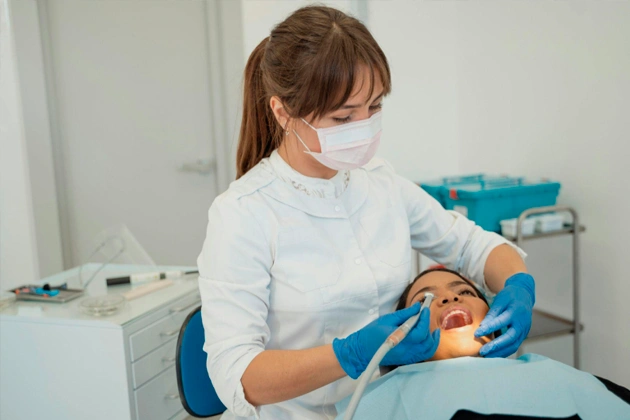
When considering dental crowns on the Upper West Side, it’s vital to choose a skilled dentist with expertise in restorative techniques. You’ll want to assess their credentials, focusing on specialized training in crown placement, and peruse patient testimonials for a thorough view of their service quality. Additionally, understanding crown material options like porcelain and ceramic will guide you in making an informed choice. Curious about costs or potential complications? There’s much more to uncover.
Understanding the Purpose of Dental Crowns
Although dental crowns are a common dental procedure, understanding their purpose can enhance the decision-making process for patients. Dental crowns play an integral role in both enhancing tooth structure and restoring tooth function. They’re often used when a tooth is extensively damaged or decayed, providing a durable protective cap that mimics the tooth’s original shape and size. By encapsulating the compromised tooth, crowns prevent further deterioration and maintain alignment with adjacent teeth. Additionally, crowns are indispensable for restoring tooth function, allowing you to chew and speak comfortably without discomfort. They also contribute to the aesthetic appearance of your smile, ensuring that repaired teeth match your natural ones. Understanding these aspects helps you appreciate their value in dental health management.
Selecting the Right Dental Professional
Choosing the right dental professional is pivotal for ensuring successful dental crown procedures. Begin by evaluating dentist credentials; verify their education, board certifications, and specialized training in restorative dentistry. This information is typically available on the dental practice’s website or through professional dental associations. Examining practice reputation is equally important. Look for patient reviews and testimonials on platforms like Google or Yelp to gauge satisfaction levels and service quality. Word-of-mouth recommendations from friends or family can also provide valuable insights. Additionally, consider the practice’s experience with high-quality dental crown in Upper West Side, including the number of procedures performed and the technology used. By thoroughly evaluating these factors, you can make an informed decision, ensuring your dental crown experience is both competent and comfortable.
Exploring Different Crown Materials
After selecting a competent dental professional, it’s important to understand the various materials available for dental crowns. Each material offers unique benefits, impacting cost considerations and material durability. Here’s a concise overview:
- Porcelain: Highly aesthetic, mimicking natural teeth; cost can be higher due to its lifelike appearance.
- Ceramic: Ideal for front teeth; offers good durability and aesthetics, suitable for those with metal allergies.
- Metal Alloys: Includes gold or palladium; extremely durable, but not tooth-colored, often used for back teeth.
- Porcelain-fused-to-metal (PFM): Combines strength and natural appearance; cost-effective and durable.
- Zirconia: Offers excellent strength and aesthetic appeal; higher cost but superior durability.
Understanding these materials helps you make informed decisions regarding both budget and long-term dental health.
The Procedure: What to Expect
When you’re preparing for a dental crown procedure, understanding the steps involved can ease any apprehension. Initially, your dentist will perform anesthesia administration to guarantee you’re comfortable and pain-free. A local anesthetic is commonly used, numbing the area around the affected tooth.
Next, the tooth preparation process begins. Your dentist will meticulously shape the tooth, removing any decay and reshaping it to accommodate the crown. This may involve trimming down the tooth to create an ideal base. Sometimes, if significant tooth structure is missing, a buildup material is used to support the crown.
After preparation, an impression of the tooth is taken to create a precise model for the crown. Temporary crowns might be placed while waiting for the permanent one.
Evaluating the Costs Involved
Understanding the costs involved in getting a dental crown is essential for effective financial planning. You need to ponder various factors that influence the overall expense. Dental insurance coverage can drastically reduce out-of-pocket costs, but it’s fundamental to verify what your policy covers. Additionally, many dental practices offer affordable payment plans to ease the financial burden. Key cost considerations:
- Material Choice: Porcelain, ceramic, or metal crowns each have different price points.
- Dentist Expertise: Highly skilled professionals may charge more.
- Location: Prices can vary in different areas, even within the Upper West Side.
- Additional Procedures: Root canals or post and core may increase costs.
- Insurance Plans: Coverage levels differ; review your terms carefully.
Assess these factors to make informed financial decisions.
Considering the Longevity and Durability
How do you guarantee your dental crown investment lasts? Focusing on materials is essential. Porcelain-fused-to-metal crowns offer durability enhancement due to their robust metal core. However, all-ceramic crowns provide superior aesthetics with considerable longevity enhancement when crafted from high-strength ceramics like zirconia. Regular dental check-ups are indispensable. They certify early detection of potential issues such as cracks or wear, facilitating timely repairs. Practice proper oral hygiene. Brushing twice daily and flossing prevent plaque buildup, a common cause of gum disease, which can undermine crown stability. Additionally, avoid using your teeth as tools to open packages, as this can compromise your crown’s integrity. By understanding these factors, you can vastly prolong the lifespan of your dental crown on the Upper West Side.
Preparing for the Recovery Process
After your dental crown has been placed, it is imperative to follow specific guidelines to ascertain a smooth recovery process. Properly managing pain and swelling is pivotal to your recovery.
- Avoid hard foods: Stick to soft foods initially to prevent unnecessary pressure on the crown.
- Use prescribed medications: Follow your dentist’s instructions for pain management to alleviate discomfort.
- Apply cold packs: This helps in managing swelling by constricting blood vessels and reducing inflammation.
- Maintain oral hygiene: Gently brush and floss to prevent infection, ensuring not to disrupt the crown.
- Monitor symptoms: Keep an eye on persistent pain or swelling, which may require further professional evaluation.
Adhering to these steps will facilitate a more comfortable recovery.
Weighing the Aesthetic Benefits
While the functional benefits of dental crowns are well-documented, their aesthetic advantages can’t be overlooked. Dental crowns provide significant visual enhancement by covering imperfections like discoloration, chips, or misshapen teeth. This coverage results in a seamless, natural look that blends with your existing teeth, ensuring a consistent appearance. When considering smile transformation, crowns play a pivotal role. They can correct alignment issues and close gaps, leading to a more symmetrical, attractive smile. The materials used, such as porcelain or ceramic, are designed to mimic the natural translucency and color of teeth, enhancing their visual appeal. By choosing dental crowns, you’re not just opting for durability and function; you’re investing in an extensive aesthetic upgrade that boosts your confidence.
Addressing Potential Risks and Complications
When considering dental crowns, it’s crucial to understand the potential risks and complications involved. While crowns generally provide effective solutions, certain issues may arise that require attention. Be mindful of:
- Potential allergic reactions: Some materials used in crowns might trigger allergies, though this is rare.
- Possible nerve damage: Improper fitting could affect the tooth nerve, leading to discomfort or sensitivity.
- Tooth decay: If the crown doesn’t fit perfectly, bacteria can enter, causing decay underneath.
- Crown loosening: Over time, crowns may become loose, requiring re-cementation or replacement.
- Gum irritation: Poor fit or improper placement can lead to gum inflammation or soreness.
Discuss these possibilities with your dentist to guarantee you’re informed and prepared.
Maintenance and Aftercare Tips
To maintain your dental crowns, it’s essential to implement proper cleaning techniques, including regular brushing and flossing, which help prevent plaque buildup. Avoiding harmful habits like teeth grinding and chewing hard objects will prolong the lifespan of your crowns. Consistent check-ups with your dentist will guarantee any potential issues are addressed promptly.
Proper Cleaning Techniques
Maintaining the longevity of your dental crowns involves diligent cleaning techniques and specific aftercare tips. Implementing proper brushing techniques and proper flossing habits is essential. Brush twice daily with a soft-bristled toothbrush, holding it at a 45-degree angle to the gumline to effectively clean around the crown. Use fluoride toothpaste to safeguard the crown’s surface. Floss daily, employing gentle, back-and-forth motions to prevent damaging the crown’s margins. Consider using interdental brushes or water flossers for enhanced cleaning.
- Use a soft-bristled toothbrush to prevent abrasion.
- Employ fluoride toothpaste for added protection.
- Angle the toothbrush at 45 degrees towards gums.
- Floss with care to avoid crown damage.
- Supplement with interdental brushes or water flossers.
Consistent maintenance keeps your crowns in prime condition.
Avoiding Harmful Habits
While proper cleaning techniques play a vital role in maintaining your dental crowns, it’s equally important to steer clear of habits that could compromise their durability. Avoid using your teeth as tools—opening packages or biting hard objects can lead to crown damage. If you’re a habitual ice chewer, consider kicking bad habits that put undue stress on your crowns. Similarly, breaking addictions like nail-biting or pen-chewing is essential, as these actions exert unnecessary pressure. Be cautious with sticky or hard foods that might dislodge or fracture your crowns. Teeth grinding, or bruxism, can considerably wear down crowns, so consult your dentist for solutions like night guards. By avoiding harmful habits, you extend the life and functionality of your dental crowns.
Frequently Asked Questions
Can Dental Crowns Cause Allergic Reactions?
Yes, dental crowns can cause allergic reactions, especially if they contain potential allergic materials like nickel. Long term allergic responses might include inflammation or discomfort. Guarantee your dentist is aware of any allergies to avoid complications.
How Long Does It Take to Get Used to Crowns?
You’ll typically need a few weeks to adjust to new crowns. The initial adjustment period varies per individual. However, once acclimated, you’ll appreciate their long-term durability and stability while enhancing your dental functionality and aesthetics.
Are Dental Crowns Covered by Insurance?
Dental crowns might be covered by insurance, but it depends on your dental insurance coverage and policy specifics. Always request treatment cost estimates from your provider to understand potential out-of-pocket expenses before proceeding with the procedure.
Can Crowns Affect Speech or Bite Alignment?
Yes, crowns can affect speech or bite alignment, leading to potential changes in chewing patterns. They might also have possible impacts on facial appearance. It’s essential to guarantee they’re fitted correctly to minimize such issues.
How Often Should Dental Crowns Be Replaced?
You should replace dental crowns every 10-15 years, though it depends on wear lifespan and maintenance needs. Regular check-ups help monitor their condition, ensuring they’re functioning ideally and preventing potential issues that might necessitate earlier replacement.