

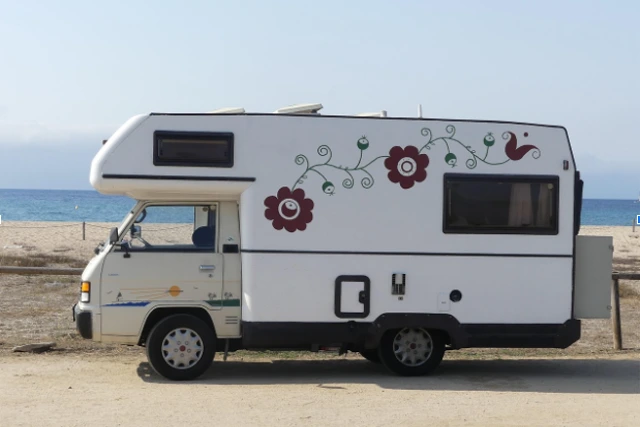
Retirement opens the door to adventures that working life never allowed, and for many couples, the ultimate freedom comes in the form of a recreational vehicle. The open road beckons with promises of national parks, coastal sunsets, and visits to grandchildren scattered across the country.
Choosing the right RV transforms retirement dreams into comfortable reality. But the process requires careful planning and research to avoid costly mistakes that could derail your travel plans before they begin.
6 Steps to Take on Your Way to a Perfect RV
1. Understand RV Classes and Your Travel Style
Class A motorhomes offer the most spacious interiors with full amenities, resembling luxury buses with slide-outs that create genuine living spaces. Class B camper vans provide maximum maneuverability and fuel efficiency. These are perfect for couples who prioritize flexibility over square footage.
Class C motorhomes strike a balance between the two. They offer overhead sleeping areas and moderate size that many retirees find ideal for extended travel without the intimidation factor of piloting a full-size bus.
Travel trailers and fifth wheels present entirely different considerations. These towable options require a capable truck but allow you to set up camp and then use your tow vehicle for local exploration. Fifth wheels offer exceptional stability and often provide more living space than motorhomes of comparable price, which makes them popular among full-time RV retirees. Your choice depends on whether you prefer the convenience of an all-in-one motorhome or the flexibility of separating your living quarters from your transportation.
2. Evaluate Your Budget Beyond the Purchase Price
The sticker price represents only the beginning of your financial commitment. Insurance costs for RVs often surprise first-time buyers, with Class A motorhomes commanding premiums that reflect their value and size. Fuel consumption varies dramatically between classes, with large diesel pushers achieving 8 to 10 miles per gallon, while smaller Class B vans might reach 18 to 20 miles per gallon. Campground fees, maintenance, storage, and registration all add to the true cost of RV ownership.
Setting aside 1 to 2 percent of the RV value annually for maintenance provides a realistic buffer. Extended warranties make sense for used RVs, but read the fine print carefully because many exclude common problems or require repairs at specific service centers far from your travel route.
3. Check Vehicle History
Buying a used RV without comprehensive history verification invites disaster. Previous water damage from roof leaks can hide behind fresh paint and new flooring, only to reveal extensive rot months into your retirement adventure.
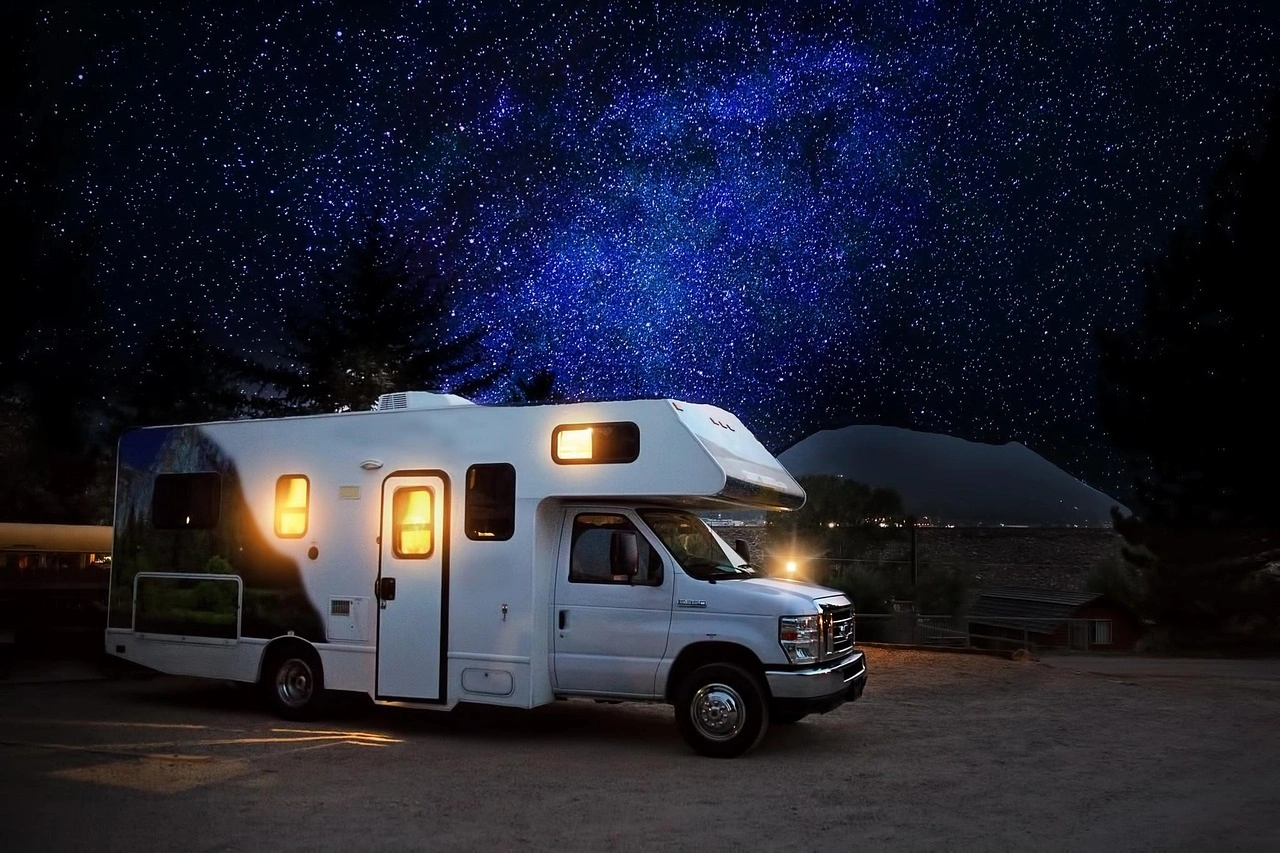
Professional vehicle history services like FAXVIN reports provide detailed records of accidents, title status, and odometer readings that reveal whether the RV you are considering has the clean history the seller claims. These reports often uncover previous commercial use, flood damage, or salvage titles that should immediately end your interest in a particular unit.
4. Inspect the Essentials Before Purchase
Specialized RV inspectors know where problems hide and use moisture meters to detect if there is hurricane or flood damage invisible to untrained eyes. Roof condition matters enormously because leaks cause the most expensive RV repairs, and a roof near the end of its service life means a 2,000 to 5,000 dollar replacement looms in your near future. Inspectors check slide-out mechanisms, generator function, appliance operation, and structural integrity that casual buyers miss.
5. Size Up Storage and Livability
Spend significant time inside any RV you seriously consider. Sit in the driver and passenger seats for at least 20 minutes to assess comfort on long drives. Open every cabinet and storage compartment to verify adequate space for your belongings, because RV storage never seems as generous as it first appears. Test the bed comfort by actually lying down, and check that you can move around the bedroom without contortions that will frustrate you daily.
Kitchen layout makes or breaks the RV experience for couples who enjoy cooking. Ensure adequate counter space for meal preparation and that the refrigerator size meets your needs without requiring grocery shopping every other day. Bathroom size varies enormously between models, and while everyone compromises somewhat in an RV, you need sufficient space to shower and store toiletries.
6. Make the Final Decision
Take your time with this purchase because rushing leads to regrets that last years. Test drive multiple RVs to understand handling differences between classes and sizes. Join online forums and ask current owners about specific models you are considering, because experienced RVers freely share knowledge about common problems and reliability. Attend shows to compare many options in one location and negotiate better deals.
Your retirement road trip mobile represents freedom, adventure, and the flexibility to explore on your own schedule. Choosing wisely based on thorough research and professional verification ensures those golden years deliver the joy and memories you have spent a lifetime working toward. The perfect RV exists for your retirement dreams, and finding it simply requires patience and diligence throughout the entire process.