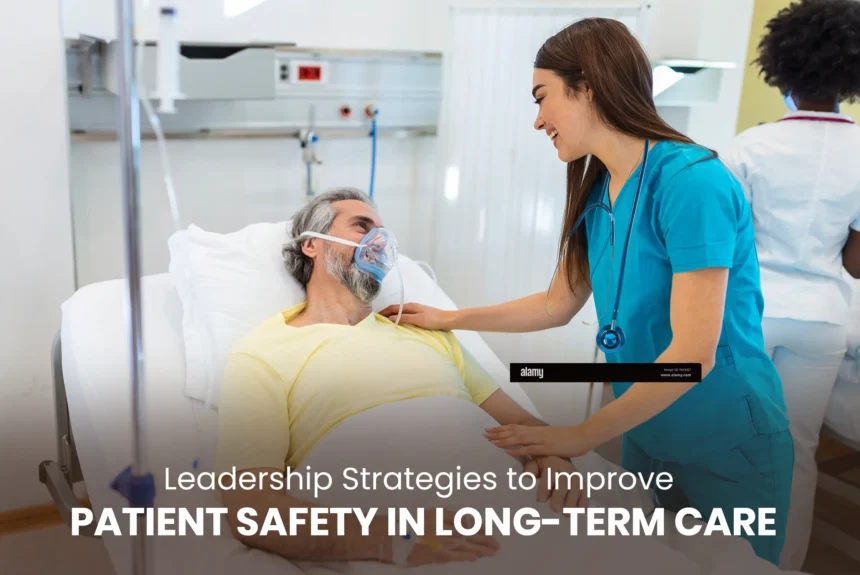
Effective leadership strategies in long-term care play a critical role in creating safer, more responsive, and resident-centered care environments. As the aging population grows and more people rely on nursing homes and other long-term care services, healthcare leaders face increasing pressure to balance quality, staffing, regulatory compliance, and resident well-being. Strong leadership can help organizations build a culture where safety is treated as an everyday responsibility rather than simply a regulatory requirement.
Long-term care leaders are responsible for much more than managing daily operations. Their decisions influence staffing practices, employee training, communication, emergency preparedness, infection prevention, medication management, and the overall experience of residents. When leadership teams establish clear expectations and actively engage employees, they can create an environment where caregivers feel confident reporting concerns and taking action before small problems become serious incidents.
Why Leadership Matters in Long-Term Care
The quality of care provided in a nursing home is closely connected to the strength of its leadership. Administrators, directors of nursing, medical directors, and department managers all contribute to establishing the standards that guide daily care.
A strong leadership team typically focuses on several key areas:
- Creating clear safety policies and procedures
- Maintaining adequate staffing levels
- Providing ongoing employee education
- Encouraging transparent communication
- Monitoring quality indicators
- Responding quickly to resident concerns
- Using data to identify recurring risks
- Building a culture of accountability
For example, if a facility notices an increase in falls among residents, effective leaders should not simply remind staff to be more careful. Instead, they should investigate the underlying causes. The problem could involve inadequate lighting, medication side effects, poor footwear, environmental hazards, or insufficient assistance during transfers.
This approach turns leadership into a proactive safety function. Instead of waiting for an incident to occur, leaders use data and frontline feedback to identify risks and implement preventive measures.
The Growing Need for Safer Care Environments
The demand for long-term care is increasing as populations age. According to the U.S. Census Bureau, the number of Americans aged 65 and older is projected to grow significantly over the coming decades. This demographic shift means nursing homes and other care providers will need effective systems to manage increasingly complex health and care needs.
Residents in long-term care facilities may live with multiple chronic conditions, mobility limitations, cognitive impairment, or medication-related risks. These factors can make safety more challenging than in many other healthcare settings.
The Centers for Disease Control and Prevention reports that falls are a leading cause of injury among older adults. In a nursing home, a single fall can result in fractures, hospitalization, loss of mobility, or a decline in independence.
Leadership therefore needs to take a comprehensive approach to risk management. A successful fall-prevention program may include regular mobility assessments, medication reviews, personalized exercise programs, environmental inspections, and staff training.
Building a Culture of Patient Safety
Creating patient safety in long-term care facilities requires more than written policies. Safety must become part of the organization’s culture.
One effective strategy is to encourage employees to report near misses. A near miss is an event that could have caused harm but did not. For instance, a resident may almost receive the wrong medication, but a nurse identifies the error before administering it.
Instead of blaming the employee, leadership can analyze why the near miss happened. Was the medication packaging confusing? Was the resident’s identification process unclear? Was the nurse interrupted during medication administration?
This type of approach allows organizations to learn from mistakes without creating a culture of fear. When employees believe they can report problems without facing unfair punishment, leaders are more likely to receive accurate information about potential risks.
Real-World Example: Preventing Falls Through Data
Consider a hypothetical 120-bed skilled nursing facility that identifies a rise in nighttime falls. Leadership reviews incident reports and discovers that many incidents occur between 9 p.m. and midnight, when residents are preparing for bed.
Instead of implementing a general safety reminder, the facility introduces a targeted intervention. Staff conduct individualized nighttime risk assessments, improve room lighting, place frequently used items within reach, and review whether certain medications contribute to dizziness.
The facility also introduces hourly rounding for high-risk residents during specific periods. After several months, leaders compare fall rates with previous data to determine whether the intervention is effective.
This example demonstrates how data-driven leadership can produce practical results. The solution is not necessarily expensive technology. Often, it involves identifying patterns, listening to staff, and making focused changes.
Using Technology to Support Safer Care
Technology is increasingly becoming an important part of long-term care operations. Electronic health records, digital medication administration systems, wearable devices, and remote monitoring tools can help caregivers identify risks earlier.
For example, electronic medication systems can help reduce errors by allowing nurses to verify a resident’s identity and medication details before administration. Similarly, wearable devices may help identify changes in movement patterns that could indicate an increased fall risk.
However, technology alone cannot solve every safety challenge. Leadership must ensure that employees receive proper training and understand how to use technology effectively.
A facility that purchases an advanced monitoring system but fails to train employees may not achieve meaningful improvements. Leaders must therefore evaluate technology based on actual resident needs and integrate it into existing workflows.
The Role of Staffing and Employee Training
Staffing remains one of the most important factors affecting care quality. Long-term care facilities often serve residents who require continuous assistance, making adequate staffing essential.
Leadership teams should regularly review staffing patterns and identify periods when residents require additional support. For example, mornings may be particularly demanding because residents need help with bathing, dressing, medication, and breakfast.
Industry-specific use cases can help leaders identify where staffing adjustments may have the greatest impact. A facility with a high number of residents requiring assistance with mobility may need additional staff during transfer periods. Another facility serving residents with dementia may prioritize specialized training in behavioral support and communication.
Training should also extend beyond initial onboarding. Regular education on infection prevention, fall prevention, medication safety, emergency response, dementia care, and abuse prevention can help employees maintain their skills.
The Agency for Healthcare Research and Quality highlights how adherence to evidence-based safety protocols significantly reduces preventable incidents in care settings.
How Leaders Can Respond to Abuse and Neglect Risks
Resident abuse and neglect represent some of the most serious risks in long-term care. Abuse can take many forms, including physical, emotional, sexual, and financial exploitation. Neglect may involve failing to provide adequate food, hydration, hygiene, medical attention, or supervision.
Leadership teams should establish clear zero-tolerance policies and ensure employees understand how to recognize and report potential abuse. Background checks, appropriate hiring practices, staff supervision, and ongoing training can also help reduce risks.
Importantly, residents and their families should know how to raise concerns. Facilities can establish confidential reporting channels and regularly communicate residents’ rights.
Leadership teams can also benefit from partnering with a skilled nursing home abuse lawyer to ensure all safety measures align with legal standards and protect residents from harm. These collaborations mitigate risks and reinforce a commitment to delivering the highest level of care.
Such partnerships can be particularly valuable when organizations review policies following an incident or regulatory concern. Legal professionals can help leadership understand applicable requirements and identify areas where policies may need strengthening.
Infection Prevention as a Leadership Priority
The COVID-19 pandemic demonstrated how vulnerable long-term care populations can be to infectious diseases. Nursing homes became a major focus of public health efforts because older adults and people with underlying health conditions face a higher risk of severe outcomes from many infections.
Leadership plays an important role in establishing infection prevention practices. These may include hand hygiene, appropriate use of personal protective equipment, vaccination programs, environmental cleaning, isolation procedures, and outbreak response plans.
A strong infection prevention program also requires continuous monitoring. Leaders should track infection rates, review trends, and ensure employees understand current protocols.
For example, if a facility experiences repeated respiratory outbreaks, leadership might review ventilation, visitor policies, staff illness reporting, and vaccination rates. This approach helps identify broader organizational factors rather than treating each outbreak as an isolated event.
Person-Centered Care Improves Safety
Safety should not come at the expense of dignity or independence. Person-centered care recognizes that every resident has different preferences, abilities, routines, and needs.
For example, forcing every resident to follow exactly the same daily schedule may create unnecessary distress. A resident with dementia may respond better when caregivers follow familiar routines and communicate calmly.
Personalized care plans can also help identify individual risks. A resident who becomes confused at night may need different interventions from someone who has mobility challenges.
Leaders can encourage person-centered care by involving residents and families in care planning. This creates an opportunity to understand preferences while identifying risks that may not be obvious from medical records alone.
Measuring What Matters
Effective leadership requires ongoing measurement. Facilities should monitor key indicators such as:
- Falls and fall-related injuries
- Medication errors
- Hospital readmissions
- Pressure injuries
- Infection rates
- Staff turnover
- Resident complaints
- Abuse and neglect reports
- Emergency transfers
However, leaders should avoid focusing exclusively on numbers. Qualitative feedback from residents, families, nurses, caregivers, and other employees can reveal issues that may not appear in standard reports.
Regular safety meetings can bring these perspectives together. A multidisciplinary team involving nursing, administration, rehabilitation, dietary services, and housekeeping can identify risks from different angles.
The Future of Long-Term Care Leadership
The future of long-term care will likely involve a combination of technology, data analytics, workforce development, and more personalized care. Artificial intelligence may help organizations identify patterns in falls, hospital transfers, or changes in resident health. Remote monitoring could allow caregivers to detect certain risks earlier, while digital tools may improve communication between staff members.
Yet technology will remain only one part of the solution. The most successful organizations will be those that combine innovation with compassionate leadership.
Innovative approaches in elder care continue to demonstrate the impact of senior homecare on quality of life, offering new pathways to ensure safety and well-being in long-term care settings.
Ultimately, how to improve patient safety in nursing homes depends on creating a culture where every employee understands their role in protecting residents. Strong leadership, evidence-based protocols, adequate staffing, continuous training, data-driven decision-making, legal awareness, and person-centered care can work together to create safer environments. When leaders actively listen to residents and caregivers and continually improve their systems, long-term care facilities can provide not only safer care but also a better quality of life for the people they serve.
FAQs
- Why is leadership important in long-term care?
Strong leadership helps create a culture of safety, improve staff performance, support effective communication, and ensure residents receive high-quality, person-centered care. - What are effective leadership strategies in long-term care?
Effective strategies include ongoing staff training, adequate staffing, data-driven decision-making, clear safety policies, open communication, regular risk assessments, and continuous quality improvement. - How can nursing homes improve patient safety?
Nursing homes can improve safety by preventing falls, reducing medication errors, strengthening infection control, monitoring residents closely, training staff, and responding quickly to safety concerns. - What role does technology play in long-term care safety?
Technology such as electronic health records, digital medication systems, wearable monitoring devices, and remote health tools can help caregivers identify risks, improve communication, and reduce preventable errors. - How can long-term care facilities prevent falls?
Facilities can reduce falls through individual risk assessments, medication reviews, mobility programs, proper lighting, safe flooring, accessible equipment, and additional assistance for high-risk residents. - How does staff training contribute to resident safety?
Regular training helps caregivers recognize risks, prevent abuse and neglect, follow infection-control procedures, manage emergencies, administer medications safely, and provide appropriate care for residents with complex needs. - How can leaders improve patient safety in nursing homes?
Leaders can improve patient safety in nursing homes by combining evidence-based safety protocols, adequate staffing, continuous employee education, resident feedback, data analysis, strong reporting systems, and a culture of accountability.
CEO Views highlights inspiring leaders, entrepreneurs, and innovators shaping the future of business. Through insightful interviews and engaging stories, it shares their journeys, ideas, and perspectives on leadership, innovation, and industry growth.