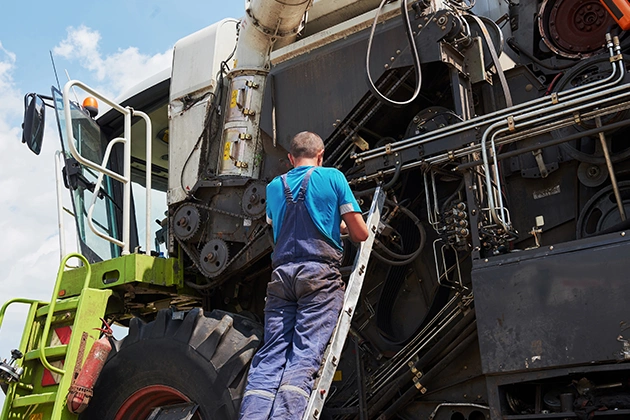
In the realm of material handling, the reliability of lift trucks is paramount. These vehicles play a crucial role in warehousing, distribution, and manufacturing environments, where they help streamline operations and ensure the smooth movement of goods. However, like any piece of machinery, lift trucks are susceptible to wear and tear. This is where preventative maintenance comes into play, serving as a proactive approach to enhancing reliability, reducing downtime, and extending the lifespan of these vital assets.
Understanding Preventative Maintenance
Preventative maintenance involves regularly scheduled inspections, servicing, and repairs aimed at keeping equipment in optimal condition. Instead of waiting for a lift truck to fail or exhibit issues, preventative maintenance ensures that potential problems are identified and addressed before they escalate.
The Role of Comprehensive Inspections
One of the key elements of a preventative maintenance programme is the comprehensive inspection. It typically covers areas such as:
- Fluid levels: Checking hydraulic fluids and engine oil to prevent shortages that could lead to malfunction.
- Tire condition: Ensuring tires are properly inflated and free from damage, as this directly impacts safety and performance.
- Battery health: Monitoring the state of the battery, including charge cycles and connections, to prevent starting issues.
- Operational controls: Testing the lift truck’s controls to ensure responsiveness and safety.
These inspections are best conducted by professionals. Engaging with providers of professional forklift maintenance solutions can help businesses implement a robust preventative maintenance programme tailored to their specific needs. These experts understand the complex demands of various lift truck models and can identify potential concerns that may not be visible to the untrained eye.
Benefits of Preventative Maintenance
Preventative maintenance offers a myriad of benefits that extend beyond mere reliability. Here are some crucial advantages to consider:
-
Reduced Downtime
Unexpected breakdowns can lead to significant disruptions in operations. When lift trucks are out of commission, productivity plummets, often resulting in a cascade of issues, from delayed shipments to unhappy customers. By implementing a solid preventative maintenance programme, businesses can significantly reduce unexpected downtime. Regular upkeep means problems are caught early on, allowing for timely repairs that keep operations running smoothly.
-
Cost-Effectiveness
While there is an upfront cost associated with regular maintenance, this expense is often offset by the savings realised from reduced repair costs and increased operational efficiency. Unaddressed minor issues can escalate, leading to costly repairs and replacements. A good rule of thumb is that a regular maintenance visit may save several times its cost in avoided repairs and increased productivity.
-
Enhanced Safety
Safety is a non-negotiable factor in any workplace. Lift trucks that are not regularly maintained pose risks to operators and other employees. Faulty brake systems, compromised steering, or malfunctioning lift mechanisms can lead to accidents. A consistent preventative maintenance strategy ensures that all safety features are functional and that the equipment complies with health and safety regulations.
-
Extended Lifespan of Equipment
Lift trucks, like any machinery, have a finite lifespan. However, with consistent care and maintenance, this lifespan can be significantly extended. Maintenance activities such as lubricating moving parts, changing filters, and replacing worn components contribute to overall efficiency and durability. Regular servicing aligns with industry standards, ensuring that lift trucks can operate effectively for as long as possible.
Building a Maintenance Schedule
Creating a robust maintenance schedule is essential for any operation that utilises lift trucks. Here are some steps to consider:
-
Assess Usage Patterns
Understanding the frequency and nature of lift truck usage will help determine the intensity and schedule of maintenance checks. Frequent use may necessitate more regular inspections, while less frequently used trucks may require less frequent attention.
-
Collaborate with Experts
Engaging a professional maintenance service can help tailor a maintenance schedule that fits your operational needs. Knowing when to perform checks—whether semi-annually or quarterly—can optimise uptime and ensure safety.
-
Keep Detailed Records
Maintaining meticulous records of inspections, repairs, and replacements is vital. A well-structured log helps track the history of each lift truck and assists in predicting when future maintenance will be required. This data can also provide insights into the overall health of your fleet.
Common Preventative Maintenance Practices
Integrating common practises into your maintenance routine can yield tangible benefits. Here are some to consider:
- Daily Checks: Encourage operators to perform quick daily checks before usage. This can include visual inspections for leaks, checking functional controls, and ensuring that safety devices are operational.
- Scheduled Breakdowns: Plan for regular downtime during off-peak hours to facilitate maintenance without affecting high-demand operations. This can be particularly beneficial in environments with multiple shifts.
- Training: Regular training for operators on proper use and care of equipment can promote a culture of accountability towards equipment maintenance. Operators who understand the impact of their actions on machinery longevity are more likely to treat it responsibly.
Conclusion
In the fast-paced world of material handling, reliability and safety are paramount. Implementing a robust preventative maintenance programme for lift trucks is not merely a best practice; it’s a strategic necessity that enhances efficiency, extends equipment life, and fosters a safer work environment. By understanding the importance of regular maintenance and engaging with expert solutions, businesses can ensure that their lift trucks remain reliable assets that contribute to operational success.