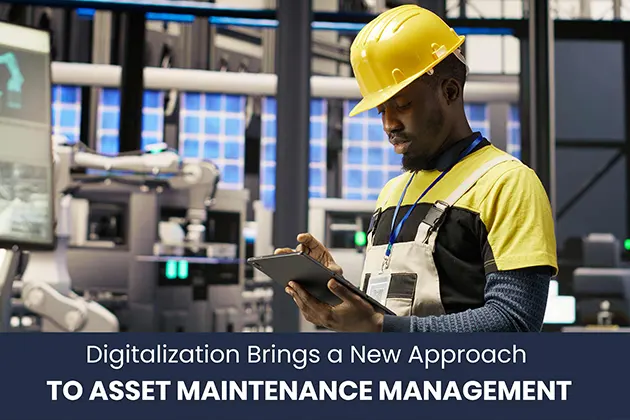
Modern organizations increasingly rely on complex equipment, machinery, infrastructure, and connected systems to maintain productivity and deliver reliable services. From manufacturing plants and power stations to hospitals, airports, and transportation networks, the performance of physical assets directly affects productivity, safety, customer service, and profitability. As these assets become more sophisticated, businesses need a more organized and proactive approach to managing them throughout their lifecycle, making asset maintenance management an increasingly important part of modern operations.
As these assets become more sophisticated, traditional maintenance methods based on spreadsheets, paper records, manual inspections, and reactive repairs are becoming increasingly difficult to manage. Digitalization offers a way to transform maintenance from a largely reactive activity into a connected and data-driven business process.
By bringing asset information, work orders, maintenance schedules, spare parts, employees, sensors, and operational data together, organizations can gain a clearer view of asset performance and make better decisions. The objective is not simply to introduce new technology. It is to create a more organized, transparent, and proactive approach to managing assets throughout their lifecycle.
Why Asset Maintenance Needs to Go Digital
Traditional maintenance processes often operate across disconnected systems. A technician may receive a work order through email, check equipment history in a spreadsheet, search for spare parts in a separate inventory system, and manually record the completed work afterward. This fragmented approach can create delays, duplicate information, and incomplete maintenance records.
Digitalization connects these activities through centralized platforms and integrated technologies. Maintenance teams can access asset histories, maintenance schedules, work instructions, inventory information, and technician assignments from a common system.
This is particularly important as organizations manage larger numbers of assets across multiple locations. A company with hundreds or thousands of machines cannot efficiently rely on manual processes to determine which assets require inspection, which parts need to be ordered, or which maintenance tasks should be prioritized.
A digital maintenance environment can provide greater visibility into asset condition and maintenance performance. It can also help organizations move from simply responding to equipment failures toward identifying potential issues before they become major operational problems.
What Digitalization Means for Asset Maintenance
Digitalization in maintenance is more than moving existing paperwork onto a computer. It involves redesigning maintenance processes around digital information and connected technologies.
It is the system of changing a business into a digital business. Including scheduling of work, having sufficient supplies to complete work, identifying imminent failures, capturing accurate and timely data, and analyzing that data as it is computed are all part of the sap asset management process.
In practice, this means creating a digital environment where information flows between different maintenance activities. When a machine requires attention, the system can help identify the asset, review its maintenance history, create or assign a work order, check the availability of required parts, schedule a qualified technician, and record the work completed.
The information generated during the process can then be used to improve future decisions. For example, if data shows that a particular component repeatedly fails under certain operating conditions, maintenance teams can investigate the underlying cause and adjust their strategy. This creates a continuous cycle of data collection, analysis, action, and improvement.
The Technologies Driving Digital Maintenance
Several technologies are contributing to the digitalization of asset maintenance:
- Enterprise Asset Management Systems
Enterprise asset management, or EAM, platforms provide a central environment for managing physical assets throughout their lifecycle. These systems can help organizations manage asset records, maintenance schedules, work orders, inspections, inventory, and workforce activities.
Instead of maintaining separate records for each asset, companies can create a digital history containing information about an asset from installation through operation, maintenance, and eventual replacement.
- Internet of Things
The Internet of Things allows physical equipment to generate and transmit operational data. Sensors can monitor factors such as temperature, pressure, vibration, energy consumption, and operating hours.
For example, sensors installed on an industrial motor can continuously monitor vibration. If the vibration pattern changes significantly, the maintenance team can investigate the equipment before a potential failure causes an unexpected production stoppage.
- Artificial Intelligence and Analytics
Artificial intelligence and advanced analytics can help organizations analyze large volumes of maintenance data. These technologies can identify patterns that may not be immediately visible to human operators.
AI can support maintenance teams by helping them prioritize work, identify potential equipment problems, analyze failure patterns, and improve maintenance planning.
However, AI should complement human expertise rather than replace it. Technicians and engineers understand the physical and operational realities of equipment, while digital tools can help them make faster and more informed decisions.
- Digital Twins
Digital twins create digital representations of physical assets or systems. They can combine information from engineering models, sensors, and operational data to provide a more comprehensive understanding of how an asset behaves.
For complex industrial operations, digital twins can help organizations examine performance, simulate scenarios, and understand how changes may affect equipment.
- Mobile Technology
Mobile applications are also changing how maintenance teams work. Technicians can access work orders, equipment histories, checklists, manuals, and safety instructions directly from mobile devices while working in the field.
They can also update work orders immediately after completing a task, reducing the delay between performing maintenance and recording the information.
How to Digitalize Asset Maintenance Management
Digitalization should be approached as a structured business transformation rather than a technology purchase.
- Create a Complete Digital Asset Register
The first step is knowing exactly which assets the organization owns and operates. Companies should create accurate digital records containing information such as asset identification, location, manufacturer, model, installation date, operating characteristics, and maintenance history.
Without reliable asset information, even the most advanced digital maintenance system will have limited value.
- Digitize Maintenance Workflows
Organizations should replace manual processes with standardized digital workflows. Work requests, inspections, approvals, work orders, and maintenance completion records can all be managed digitally.
This creates greater transparency and allows managers to see the status of maintenance activities in real time.
- Connect Maintenance with Inventory
A maintenance task is difficult to complete if the required spare part is unavailable. Integrating maintenance and inventory data can help teams determine whether parts are available before scheduling work.
This can reduce delays and help organizations maintain appropriate inventory levels.
- Introduce Condition Monitoring
Sensors and connected devices can provide continuous information about asset performance. Organizations can begin with critical assets where failures have the greatest operational or financial impact.
The data collected can then support condition-based or predictive maintenance strategies.
- Use Data to Improve Decisions
Once reliable data is available, organizations can analyze maintenance costs, failure frequency, downtime, repair times, and asset performance.
This information can help managers identify which assets require greater attention and where maintenance strategies need to change.
Real-World Examples
- Siemens
Siemens demonstrates how digital technologies can support industrial asset management. Its industrial digitalization approach combines technologies such as IoT, automation, analytics, and digital twins to help organizations connect physical operations with digital information.
For industrial businesses, this approach can provide greater visibility into equipment and processes. Data from connected assets can be used to understand performance, identify potential problems, and support more informed operational decisions.
The example highlights an important point about digitalization: the value comes from connecting technologies and processes rather than implementing individual tools in isolation.
- Rolls-Royce
The aviation industry provides another example of how digital data can support asset maintenance. Rolls-Royce uses digital technologies and engine data to monitor aircraft engine performance and support maintenance services.
Aircraft engines operate under highly demanding conditions, making reliability and maintenance planning essential. By using data generated during engine operation, maintenance teams can gain greater insight into asset performance and make better-informed decisions.
This model demonstrates how digitalization can extend beyond maintenance departments. Asset data can become part of a wider service model involving manufacturers, operators, engineers, and maintenance providers.
Industry-Specific Use Cases
Manufacturing
Manufacturing companies depend heavily on equipment availability. A failure in a production line can interrupt operations and affect delivery schedules.
Digital maintenance systems can help manufacturers monitor machines, manage work orders, track spare parts, and analyze equipment performance.
For example, an automotive manufacturing facility can monitor robotic arms, conveyors, welding equipment, and assembly systems. When sensor data identifies unusual behavior, maintenance teams can investigate the equipment before a failure causes significant downtime.
Energy and Utilities
Energy companies manage assets such as turbines, generators, transformers, pipelines, and power distribution infrastructure.
Digital monitoring can help operators track equipment performance remotely. Wind farms, for instance, can use sensor data to monitor turbine components and identify assets that require inspection.
For offshore facilities, digital monitoring can be especially valuable because physical maintenance visits can involve significant time, cost, and logistical planning.
Healthcare
Hospitals rely on critical assets including MRI machines, CT scanners, ventilators, patient monitoring systems, and surgical equipment.
Digital asset maintenance platforms can help healthcare organizations maintain equipment records, schedule inspections, track service histories, and manage maintenance compliance.
For critical equipment, timely maintenance can help reduce the risk of unexpected availability issues and support continuity of healthcare services.
Transportation
Airlines, railways, shipping companies, and logistics providers manage large fleets of vehicles and complex infrastructure.
Digital maintenance systems can track vehicle histories, maintenance requirements, inspections, and replacement parts. Sensors can also provide information about the condition of engines, braking systems, batteries, and other components.
This allows organizations to make maintenance decisions based on actual asset conditions rather than relying exclusively on fixed schedules.
Oil and Gas
Oil and gas operations often involve complex assets operating in challenging environments. Equipment failures can create significant financial, safety, and environmental consequences.
Connected monitoring systems can provide information about pumps, compressors, pipelines, and other critical infrastructure. Remote data can help maintenance teams identify potential problems and determine which assets require immediate attention.
The Business Benefits of Digitalization
The growing adoption of digital maintenance is supported by the expansion of the predictive maintenance market. MarketsandMarkets estimates that the global predictive maintenance market will grow from approximately $10.6 billion in 2024 to $47.3 billion by 2029. This growth reflects increasing demand for technologies that use data and analytics to improve equipment reliability and maintenance decisions.
However, organizations should not measure digitalization only by the technology they implement. The real value should be measured through business outcomes.
Key performance indicators can include:
- Reduction in unplanned downtime
- Improvement in asset availability
- Mean time between failures
- Mean time to repair
- Maintenance cost per asset
- Preventive maintenance compliance
- Work-order completion rates
- Spare-parts availability
- Technician productivity
- Overall equipment effectiveness
For example, a manufacturer may discover through maintenance data that a specific machine experiences repeated failures because of an underlying operating condition. Addressing the root cause can be more valuable than repeatedly repairing the same component.
Similarly, better visibility into spare-parts usage can help organizations avoid both excess inventory and shortages.
The Challenges of Going Digital
Digitalization also brings challenges. Organizations may have legacy systems, inconsistent data, limited technical expertise, or employees who are reluctant to change established processes.
Data quality is one of the most important concerns. If asset records are incomplete or inaccurate, the resulting analysis may not provide reliable insights.
Cybersecurity is another major consideration. As more physical assets become connected to networks and digital platforms, organizations must protect operational technology and sensitive data from potential threats.
Companies should therefore take a gradual approach. Instead of attempting to digitalize every asset simultaneously, they can begin with critical equipment or a specific maintenance process. The organization can measure the results, identify problems, and expand the program based on lessons learned.
Employee involvement is equally important. Maintenance technicians should be included in the digitalization process because they understand equipment behavior and existing workflows. Their practical knowledge can help organizations design systems that work effectively in real operating environments.
The Future of Digital Asset Maintenance
The future of maintenance will increasingly involve AI, IoT, digital twins, advanced analytics, robotics, drones, and augmented reality.
A technician may use augmented reality glasses to access equipment instructions while performing a repair. A drone could inspect infrastructure in a difficult-to-reach location. An AI system could analyze thousands of asset records to identify patterns associated with equipment failures. A digital twin could help engineers evaluate how an asset might perform under different conditions.
These technologies will not eliminate the need for skilled maintenance professionals. Instead, they can give employees better information and allow them to focus their expertise where it is most valuable.
The most successful organizations will be those that combine technology with strong processes, accurate data, employee expertise, and clear business objectives.
Turning Maintenance into a Strategic Advantage
Digitalization is changing the way organizations think about physical assets. Maintenance is no longer simply a department responsible for fixing broken equipment. It is becoming an integrated business function that influences productivity, operational resilience, safety, customer satisfaction, and long-term costs.
A successful digitalization strategy connects assets, people, processes, and information. It gives maintenance teams access to the right data at the right time and enables managers to make decisions based on evidence rather than assumptions.
As organizations continue investing in connected technologies and intelligent systems, digital transformation in asset management will become increasingly important for companies seeking greater visibility, reliability, and operational efficiency.
The future of maintenance will depend on how effectively businesses combine connected technologies with accurate data, skilled professionals, and well-designed processes. Organizations that approach digitalization strategically can improve asset performance, reduce unnecessary downtime, and build more resilient operations.
Ultimately, the goal is to create a smarter and more proactive approach in which organizations understand their assets, anticipate potential problems, optimize maintenance activities, and continuously improve performance. With the right strategy, digitalization can transform maintenance from a reactive cost into a strategic capability that supports more reliable, efficient, and resilient operations.
FAQs
- What is digitalization in asset maintenance?
Digitalization in asset maintenance involves using technologies such as IoT sensors, AI, analytics, cloud platforms, mobile applications, and digital twins to improve maintenance processes, monitor asset performance, and make more informed decisions. - Why is digitalization important for asset maintenance?
Digitalization helps organizations move from reactive maintenance toward a more proactive approach. It can improve asset visibility, reduce unplanned downtime, support better maintenance planning, and help teams identify potential equipment problems earlier. - How does IoT support digital asset maintenance?
IoT sensors collect real-time information about equipment conditions, including temperature, pressure, vibration, and energy consumption. Maintenance teams can analyze this data to identify unusual changes and investigate potential problems before they lead to major failures. - What role does AI play in asset maintenance?
AI and advanced analytics can analyze large volumes of maintenance and operational data to identify patterns, support failure prediction, prioritize maintenance tasks, and help organizations make better maintenance decisions. - What industries can benefit from digital asset maintenance?
Manufacturing, energy and utilities, healthcare, transportation, logistics, and oil and gas are among the industries that can benefit from digital maintenance technologies. These sectors rely heavily on physical assets and can use digital tools to improve reliability and operational efficiency. - What are the main challenges of digitalizing asset maintenance?
Common challenges include outdated legacy systems, poor data quality, cybersecurity risks, limited technical expertise, and employee resistance to change. Organizations can address these challenges by implementing digitalization gradually and involving maintenance teams throughout the process. - How can organizations start their digital maintenance journey?
Organizations can begin by creating accurate digital asset records, identifying critical equipment, digitizing maintenance workflows, connecting maintenance with inventory management, and introducing condition-monitoring technologies. They can then use the resulting data to measure performance and continuously improve their maintenance strategy.
The CEO Views introduces the companies and leaders making an impact in their industries. The feature gives readers a closer look at their work, achievements, approach to leadership, and plans for the future. It highlights the people and organizations behind new ideas, meaningful progress, and positive change.