

Since the Centers for Disease Control and Prevention (CDC) recommended that all adolescents be vaccinated against the meningococcal disease back in 2005, reported cases were at an all-time low. The decision resulted in cases of the dangerous disease dropping across the United States by 90%, until now.
Unfortunately, cases have been rising greatly since 2021, during the pandemic. This can be attributed to a combination of factors, including bacterial mutations and a reduction in overall vaccination rates. It’s also becoming a problem beyond just the US, with a recent outbreak in the United Kingdom.
There’s currently a meningococcal disease outbreak sweeping through southeastern England, according to health officials. There have been at least 27 confirmed or probable cases reported, and at least two people have died.
Addressing future meningococcal health threats and other contagious diseases will require professionals with advanced training, such as a Doctor of Nursing Practice (DNP). Graduates of online DNP online programs will hopefully develop the policy expertise and epidemiological knowledge necessary to counter emerging crises, raise public awareness, and lead rapid-response teams before local cases escalate.
What is meningococcal disease?
As explained by the CDC, meningococcal disease is a serious illness and can turn deadly within hours. The disease is the term for any infection caused by the bacterium Neisseria meningitidis.
This bacterium can be spread by coming into contact with an infected person’s saliva or spit, such as through coughing, kissing, or sharing drinks. It’s also possible for the bacteria to spread through prolonged general contact with someone infected.
The two most common types of meningococcal infections are meningitis and bloodstream infections. With meningococcal meningitis, the bacteria infects the lining of the brain and spinal cord. With the bloodstream types, it enters the blood and damages the walls of blood vessels.
Meningitis and meningococcal
While meningitis and meningococcal disease are related, it’s important to understand they are not the same thing. Meningitis specifically refers to inflammation of the lining of the brain and spinal cord, which can be caused by the meningococcal bacteria. However, it’s also possible to get from other sources, including:
- Viruses
- Parasites
- And other non-infectious causes (e.g., injuries or drugs)
Bacterial meningitis, which can be caused by meningococcal disease, is extremely dangerous and can be fatal. It requires medical attention as soon as possible.
The United Kingdom’s outbreak
The meningococcal disease outbreak in the United Kingdom has killed a university student and a sixth former. The situation is being reported by health chiefs as an “unprecedented” event, and is a situation that other countries, including the US, could learn from.
The outbreak has been traced to Club Chemistry in Canterbury. It is not the first outbreak of meningococcal disease at the nightclub. Back in 1997, three students from Southampton University died of meningitis after attending the same club.
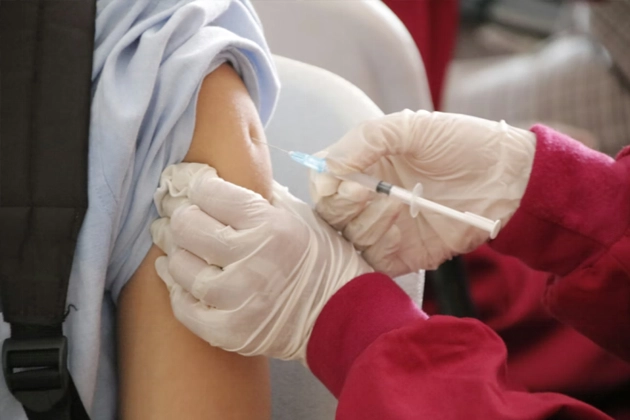
Unlike in the United States, the MenB vaccine, which protects against the meningococcal B strain, is not as heavily promoted in the United Kingdom. In the US, the CDC recommends the vaccine for all adolescents, as well as for children and adults at increased risk.
It’s also recommended by many US colleges that their students be vaccinated with MenB. In comparison, the United Kingdom has only just begun promoting the vaccine. The vaccine has only been part of their immunization schedule since 2015, with it also being offered to babies, but that still leaves current UK teenagers and younger adults vulnerable, contributing to the outbreak.
The public health response
The public health response in the United Kingdom has been quick. Health authorities are identifying any close contacts who could be or are at risk of falling ill. They have also set up health clinics in Canterbury to distribute antibiotics.
The UK Prime Minister Keir Starmer has also urged anyone who had been at the nightclub on the weekend of the outbreak to seek out antibiotics. The University of Kent has also been providing antibiotics and vaccinations to students on campus to try to minimize the impact.
Symptoms of meningococcal disease
Young people, especially university students, are at significant risk of meningitis because they’re mixing with new people—some of whom could be unknowingly carrying the bacteria. The illness is often sudden, and early diagnosis is crucial.
Early symptoms include, but aren’t limited to:
- Stiff neck
- Vomiting and diarrhea
- Joint/muscle pain
- Sensitivity to light
- Seizures
- Confusion
- Extreme sleepiness
- Sudden onset of high fever
What this means for the United States
Cases of meningococcal disease are on the rise in the US, and have been on a sharp increase since 2021. If something isn’t done, the country could be looking at an event similar to the nightclub outbreak in the UK.
In 2024, there were 503 reported confirmed and probable cases of meningococcal disease based on preliminary data. This is the largest number of cases in the US since 2013. The situation is only expected to worsen, as vaccination rates drop and the new Health Secretary’s guidance has decided to stop recommending it for all adolescents.
Robert F. Kennedy Jr, the new Health Secretary, will only be recommending the vaccine for “high-risk groups”. This will lead to a massive gap in herd immunity, especially for teenagers and college-age students, leaving many at risk and vulnerable to contracting the disease.
Alicia Stillman, who serves on the World Health Organization task force for eliminating meningitis, believes that the new guidance creates access barriers for parents who want to protect their children from the disease that aren’t deemed as “high-risk”.
Along with the meningococcal vaccines, several other vaccines have been cut from the “recommended” list for children in the United States. We are already seeing the impact these changes are having across the country, such as the ongoing measles outbreak. Healthcare providers and parents need to push for vaccination to reduce the risk of an outbreak.