Dermatology has changed a great deal over the past 40 years. Doctors now have access to lasers, advanced devices, better diagnostic tools and a wider range of treatments. Patients, too, are more aware of their skin and the treatments available to them.
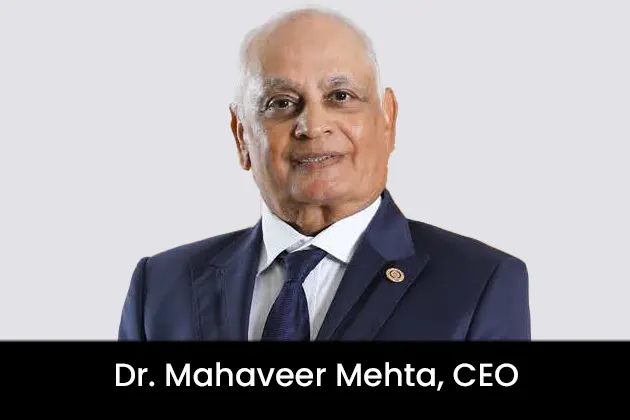
Dr. Mahaveer Mehta, CEO of Mahveer Mehta Medical Center, has worked through much of that change. He has more than four decades of experience in dermatology, with a large part of his career spent in Dubai. He has also worked in India, Bahrain, Qatar and Libya and was among the doctors who introduced laser technology to the Middle East.
His career has included clinical work, teaching, international conferences and professional organizations. He has seen new treatments come and go and has been involved in bringing some of them into the region. But he says the basics of good dermatology have remained the same: make the right diagnosis, understand the patient and use treatment carefully.
A Career That Started Before Lasers Became Common
When Dr. Mehta started practicing, dermatology was mainly focused on diagnosing and treating skin diseases. There were fewer treatment options and much less technology, that has changed; the field now includes precision diagnostics, molecular science, lasers, energy-based devices, regenerative medicine and aesthetic treatments supported by clinical evidence.
Dr. Mehta has also seen a change in how doctors look at skin conditions. Acne, vitiligo, psoriasis, pigmentation, rosacea, eczema and hair disorders can affect a person’s confidence and quality of life. Treating the physical problem is therefore only part of the job, his interest in lasers came at a time when the technology was still new in the Middle East. Some doctors considered it experimental, but Dr. Mehta saw that it could help with conditions that had few treatment options.
He trained internationally and worked with experts to understand the technology. Lasers later became useful for treating vascular and pigmented lesions, scars, birthmarks, unwanted hair and for skin rejuvenation. He does not see technology as a substitute for medical judgment. A doctor still needs to decide whether a treatment is suitable for a particular patient and whether the expected result is realistic.
Building a Practice in Dubai
Dr. Mehta now leads Mahveer Mehta Medical Center in Dubai as CEO, Chairman and Medical Director. The medical center focuses on patient safety, ethical practice, infection control, continuing education and the use of proven technology. Dr. Mehta says he would rather invest in a treatment because it has a clear benefit than because it happens to be popular.
Before introducing a new technology, he considers clinical evidence, safety, consistency of results, regulatory approval and whether it is appropriate for different skin types. The center treats people from more than 150 nationalities, their skin types, backgrounds and concerns are not all the same.
This is why Dr. Mehta puts diagnosis before treatment. Advanced lasers, energy-based devices and minimally invasive procedures can give doctors more options, but those options still need to be matched to the individual. He has also watched Dubai become an important healthcare and medical tourism destination. Internationally trained specialists, modern healthcare facilities, regulations and advanced medical technology have helped attract patients from around the world.
The city’s diverse population has also given dermatologists experience with different skin types and conditions. Dr. Mehta’s own work in India, Bahrain, Qatar, Libya and the UAE has added to his understanding of different patients. He says that while people may come from different backgrounds, many have similar concerns about their health and appearance. They want clear answers and treatment they can trust.
Learning From the Wider Medical Community
Dr. Mehta has remained active outside his own medical center. He has served as a Congress President and has worked as a chair, keynote speaker and international expert at dermatology and aesthetic medicine conferences.
He has also received professional recognition, including the Dubai Congress Ambassador Award. For him, the value of these activities goes beyond receiving an award. International conferences give doctors an opportunity to meet colleagues, discuss research and examine new developments in the field.
Dr. Mehta has used these opportunities to assess treatments before deciding whether they should be introduced into his practice. He takes the same approach with newer technologies such as Pico Laser, vascular lasers and RF microneedling.
He looks at the available evidence, safety, results, regulatory approval and suitability for different skin types. A machine, he says, cannot guarantee a good result. The doctor still has to make the correct diagnosis, select the right patient and plan the treatment properly.
Teaching has also been part of his career. Having worked with medical students and younger physicians, he believes experienced dermatologists have a responsibility to help the next generation. He advises young specialists to develop their diagnostic skills instead of depending too much on technology. Research, continuing education and ethical practice should remain part of their careers. Patient welfare, he believes, should come before commercial interests.
Treating the Person, Not Just the Condition
Some of the skin concerns Dr. Mehta sees can have a strong effect on confidence. Pigmentation, acne scars, rosacea and hair loss are good examples. A patient may come to the clinic because of a visible problem, but the real concern may be how that problem affects their personal or professional life.
Dr. Mehta believes the consultation should start with listening; doctors need to understand what is bothering the patient and what they expect from treatment and the patients also need to be honest. Patients should know how long treatment may take, what results are possible and what the limitations are.
Dr. Mehta believes this kind of communication is an important part of earning trust, his experience with patients from more than 150 nationalities has made communication even more important, people may have different cultural backgrounds, but respect and clear explanations remain important to everyone. He takes the same approach to mentoring, young dermatologists need medical knowledge, but they also need to learn how to communicate with patients and make responsible decisions.
What Comes Next
Dr. Mehta expects technology to continue changing dermatology. Artificial intelligence, precision medicine, regenerative therapies and advanced energy-based treatments are likely to become more common, he hopes to continue his work through patient care, education, mentorship, scientific collaboration and the careful adoption of evidence-based treatments.
After more than 40 years, his view of excellence has expanded, it is no longer just about technical knowledge. Safety, patient education, empathy, scientific learning and individualized care are all part of it.
His legacy, he says, should not be measured only by the technologies he introduced or the professional positions he held. He would like to be remembered for his patients, his contribution to dermatology in the Middle East, the young doctors he mentored and the standards he maintained throughout his career.
“New technology can make a real difference, but at the end of the day, you still have to listen to the patient and understand what they need.”
— Dr. Mahaveer Mehta, CEO