

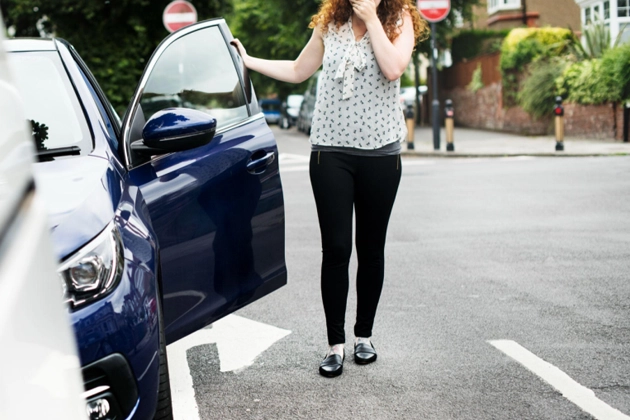
Walking in Decatur can mean sharing streets with turning vehicles, school traffic, delivery vans, buses, and cars moving through compact commercial corridors. When a pedestrian is hit, the legal and practical consequences can be serious because Georgia law sets specific right-of-way rules, injury claims often turn on fault allocation, and the human body has little protection in a collision with a vehicle.
Why These Cases Often Become Legally Complicated
In Georgia, drivers must stop and stay stopped for pedestrians in a crosswalk when O.C.G.A. § 40-6-91 requires it. Even so, these cases often lead to disputes about where the pedestrian was, what the traffic signal showed, and whether the driver was turning or coming from another lane. When attention shifts from the collision itself to fault, insurance, and civil liability, some injured pedestrians choose to speak with a pedestrian accident lawyer in Decatur to better understand how those issues may affect a claim.
Those disputes can directly affect whether compensation is available. Georgia follows a modified comparative fault rule under O.C.G.A. § 51-12-33, which means an injured person’s recovery is reduced by that person’s share of fault and barred entirely if that share reaches 50 percent or more.
The Injuries Are Often More Severe Than In Other Traffic Crashes
A pedestrian does not have a seat belt, airbag, steel frame, or side-impact protection. Even a collision at city-street speeds can cause brain injuries, fractures, internal bleeding, spinal damage, or recovery periods that interfere with work and routine life. This medical reality is one reason pedestrian crashes often lead to disputes over compensation that are more extensive than those in low-speed property damage cases.
In fatal cases, the legal process can also expand beyond personal injury claims. Georgia law allows certain family members to bring a wrongful death action, while the estate may pursue separate claims for medical bills, funeral expenses, and other losses tied to the incident.
Decatur’s Street Design Adds Real-World Risk Factors
Decatur has publicly identified traffic safety as a local issue through its Safe Streets Safety Action Plan, which focuses on reducing deaths and serious injuries for all road users. The city’s 2026 work on corridors within its High Injury Network also shows that some local streets present recurring conditions that can affect how crashes happen and how severe the injuries become.
That local street layout can also shape later fault disputes. Frequent crossings, parked cars that narrow sight lines, turning movements at busy intersections, and short urban trips through commercial areas can all affect visibility, reaction time, and the facts insurers and courts examine after a pedestrian crash.
Insurance Claims Often Turn On Small Facts
After a pedestrian crash, the claim may depend on details that seem minor at first glance. Investigators and insurers may focus on the traffic signal phase, the crosswalk location, visibility, vehicle speed, lighting, phone records, surveillance footage, and whether the pedestrian entered the roadway outside a crosswalk or against a signal.
Those details affect more than liability alone. They also shape how insurers value medical expenses, lost income, future treatment, pain and suffering, and any argument that the pedestrian contributed to the event enough to reduce or defeat the claim under Georgia’s fault rules.
Filing Deadlines And Procedure Can Affect The Outcome
For most personal injury claims in Georgia, the general statute of limitations is two years from the date the claim accrues under O.C.G.A. § 9-3-33. That deadline can control whether a lawsuit may proceed at all, though some cases involve tolling rules or other exceptions that depend on the claimant’s age or the posture of the case.
There can also be separate timing rules when a government entity is involved. If the facts point to a claim against a city, county, or state agency, ante litem notice requirements and shorter notice periods may apply before any lawsuit is filed, which makes procedural accuracy especially important in pedestrian cases involving public vehicles or roadway conditions.
Why The Stakes Extend Beyond The Crash Scene
A pedestrian accident in Decatur can have serious consequences because these cases often combine severe physical injuries with detailed legal questions about fault, compensation, and filing deadlines. In Decatur, those issues are often shaped by the city’s dense street network, frequent crossings, and corridors already identified as carrying higher safety risks.