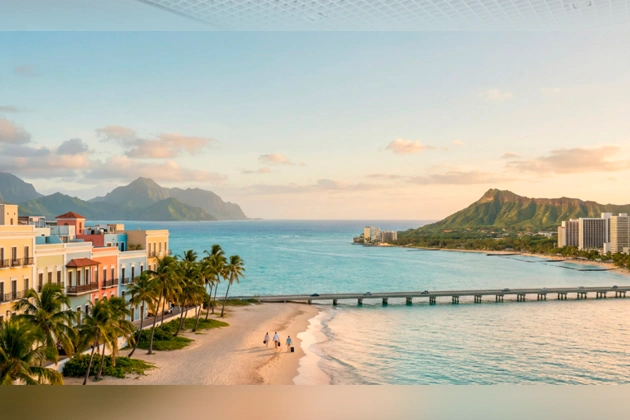
Picture this: your flight lands, you stroll straight to the beach, and no one asks for a passport.
After May 7, 2025, airlines will require a Real ID–compliant license or stronger proof of identity, yet about half of Americans still lack a passport and renewal backlogs keep growing.
We crunched the numbers, grading every U.S. island on access, cost, uniqueness, safety, infrastructure, and fun, then distilled the field to seven clear winners.
Ready to see how close paradise can be? Your countdown starts now.
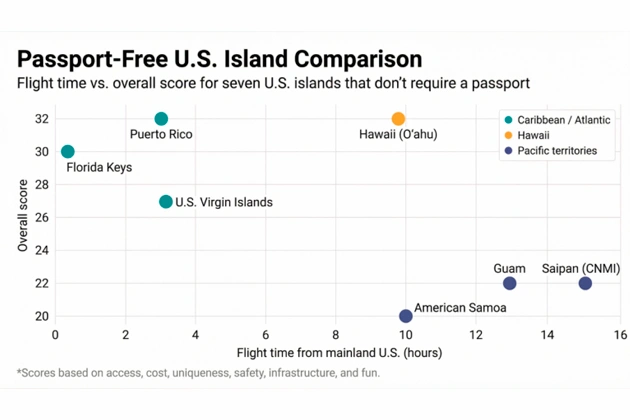
Your cheat-sheet comparison table
Before we zoom into each island, here’s a quick overview. Scan the grid, spot the best match for your budget, and start planning.
Economy fares checked December 2024; book early for Pacific routes.
Keep this table close while we tour each destination. It will help you weigh flight time against payoff, and might even push you toward a bucket-list island you hadn’t considered.
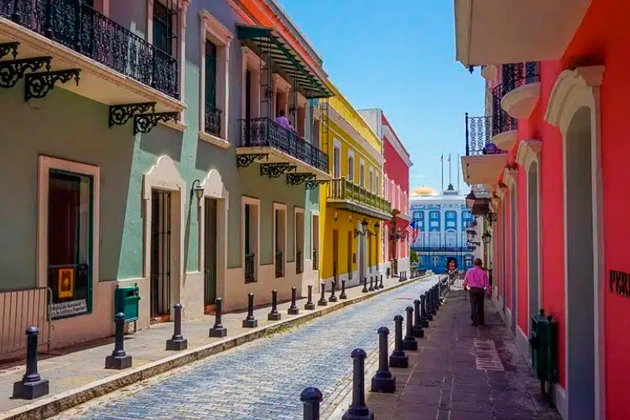
Puerto Rico: Caribbean color without a passport check
San Juan’s pastel streets feel worlds away, yet the flight lands you in a U.S. territory where a driver’s license covers every checkpoint. Bring a Real ID and you clear security just as you would at home.
Puerto Rico welcomed 6.1 million fliers in 2023 and logged $9.8 billion in visitor spending, according to a 2024 Grand View Research analysis.
Numbers only start the story. One minute you are tasting mofongo in a 500-year-old plaza, the next you paddle through a bioluminescent bay that lights up with every stroke. Head inland and El Yunque National Forest answers with mist-covered peaks, coquí songs, and waterfalls that muffle the city’s salsa beat.
Plan for bright skies from December through April. May and June bring a touch of humidity but reward you with lighter crowds and lower hotel rates. Hurricane risk rises in late summer, yet early-fall shoulder weeks often feel like a pleasant secret.
Quick tip: ride the ferry to Culebra’s Flamenco Beach; powder-white sand, a parked WWII tank, and turtle-filled water await, no passport stamp needed.
Hawaii (Oʻahu): aloha vibes plus rock-solid U.S. comforts
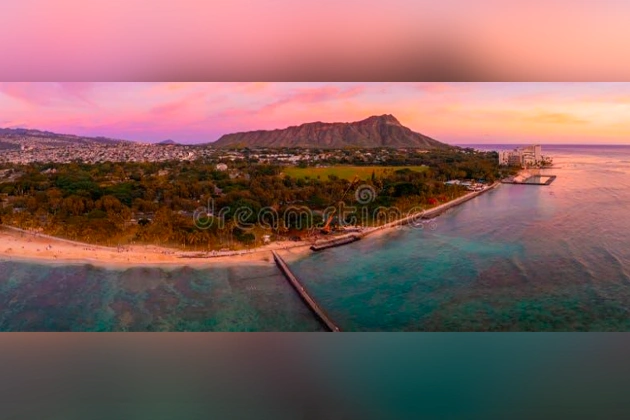
Five hours after leaving Los Angeles, you step into soft trade winds, swap shoes for flip-flops, and never see a customs line. Oʻahu is American in paperwork, yet Polynesian at heart, so your driver’s license becomes your ticket to paradise.
Waikiki frames the postcard, but the island’s depth shows fast. One morning you’re floating on a surfboard under Diamond Head; that afternoon you’re standing on the deck of the USS Arizona Memorial, watching oil droplets (locals call them “black tears”) rise from the harbor below. Dinner might be a mom-and-pop poke counter, or a luau where drums thunder and torches crackle against the night sky.
Costs run higher than many Caribbean spots, yet Hawaii rewards each dollar. Spring and fall shoulder seasons bring milder prices, cooler air, and fewer selfie sticks. Average hotel rates hover near $275. Swap that for a kitchen-equipped condo booked through vacation rental host Skyrun, which lists “Find a Vacation Rental” homes nationwide and guarantees the best direct-booking rate.

You’ll arrive with linens, Wi-Fi, and even starter coffee, spices, and paper goods already stocked, while keypad self-check-in skips any front-desk wait and those grocery-friendly perks help trim the bill and let you live, shop, and grill like a local.
The island also makes it easy to tread lightly. Public buses roll the length of Waikiki for $3, refill stations cut single-use plastic, and cultural groups remind visitors to travel “pono” (with respect). Follow that cue on a dawn hike up the Makapuʻu trail, where the Pacific stretches unbroken and, on some mornings, humpbacks breach on the horizon. You will forget the flight home even exists.
U.S. Virgin Islands: three islands, one hassle-free passport stamp
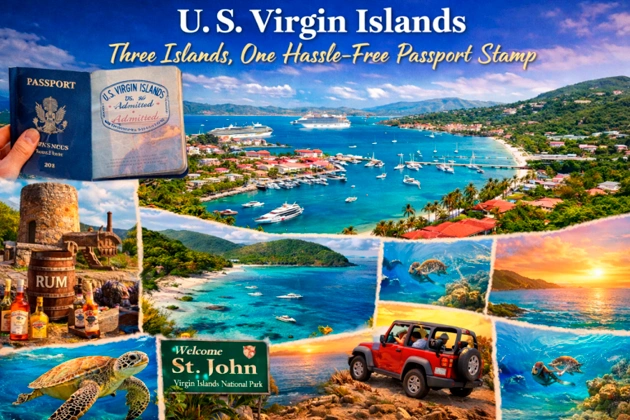
Touch down in St. Thomas, flash your driver’s license, and swap mainland stress for turquoise water that looks airbrushed. The U.S. Virgin Islands offer three distinct personalities in one trip. St. Thomas hums with duty-free shops and harbor-front cafés. A quick ferry carries you to St. John, where two-thirds of the land is national park and the only soundtrack is palm fronds and parrotfish crunching coral. Fly or ferry farther to St. Croix for pastel towns, rum distilleries, and a reef so healthy it was declared an underwater monument.
Flights take about four hours from New York and three from Miami, with winter deals hiding in shoulder weeks before Christmas. Lodging costs more than in Puerto Rico, yet villa rentals split among friends trim the bill and hand you sunset decks no hotel can match.
High season runs December through April: breezy, dry, and postcard perfect. Early summer stays bright but thins the crowds, while late summer courts hurricanes, so plan accordingly.
Local tip: rent a Jeep on St. John and follow a map of empty coves. Stop at Maho Bay to float with sea turtles gliding past like slow submarines. Roll down the windows, climb the switchbacks, and watch the Caribbean glitter through every hairpin turn. You may forget passports even exist.
Guam: America’s tomorrow, a long flight away
Guam sits on the far edge of the Pacific, greeting sunrise a full day before the mainland. Yet the moment you land, the basics feel familiar: U.S. dollars, driving on the right, and a simple ID check. To skip a passport, book a Honolulu connection and carry a birth certificate with your license; the paperwork is easy, the haul just longer, according to Malaysia News.
Most travelers base in Tumon Bay, where high-rise resorts frame a lagoon the color of blown glass. Breakfast might be Japanese pancakes, lunch a Chamorro fiesta plate, and dinner Korean barbecue. That Micronesian and Asian mix defines Guam’s signature flavor. Between meals, snorkel Gun Beach’s coral gardens or trace WWII history at War in the Pacific National Historical Park, where rusted tanks still guard the jungle.
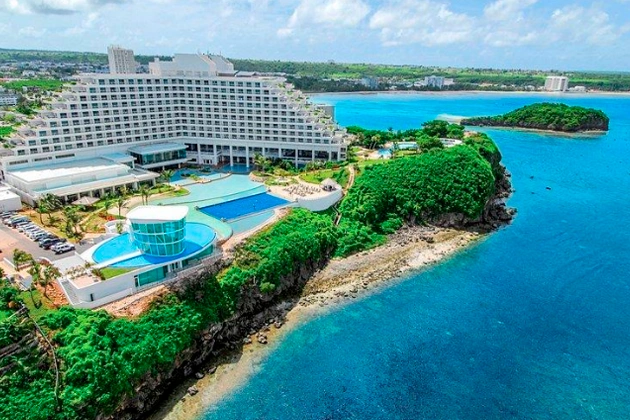
Flights cost upward of $1,200 and total travel time approaches fifteen hours, but hotel rates hover near $200, making the island surprisingly affordable once you touch down. Visit January through June for drier skies and gentler trade winds; late-summer storms can shut down the sunshine in a hurry.
Pro tip: rent a car for the southern loop. In two relaxed hours you’ll reach jungle waterfalls, centuries-old Spanish bridges, and Inarajan’s natural swimming pools. The drive confirms that the real Guam waits beyond Tumon’s neon glow.
American Samoa: where U.S. borders meet pure Polynesia
Only two jets a week connect Honolulu to Pago Pago, and each five-hour hop feels like time travel. Show the gate agent your driver’s license plus a birth certificate, then settle in for volcanic peaks wrapped in rainforest and villages guided by communal fa‘a Samoa traditions, according to Malaysia News.
Tutuila, the main island, greets you with a deep, fjord-like harbor crowned by Rainmaker Mountain. Fifteen minutes later you’re on a ridgeline trail in the National Park of American Samoa, hearing fruit bats flap overhead and watching waves pound lava cliffs. The next day may include a church service where hymns drift through open windows, followed by a communal feast of taro, breadfruit, and fresh-caught tuna grilled right on the beach.
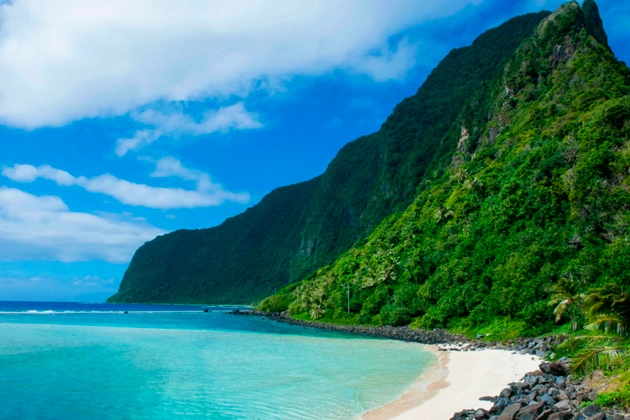
Logistics stay simple, if basic. Rooms average $130 a night, often in family-run guesthouses where roosters serve as alarm clocks. Colorful aiga buses cost a dollar and blast Samoan pop hits between villages. Bring cash, because ATMs are scarce outside Pago Pago.
The dry season, May through October, brings clear skies and calm seas for the short plane ride to Ofu Island, home to a beach so empty you’ll count hermit crabs instead of tourists. Cyclone months from November to April deliver heavy rain, so plan accordingly.
American Samoa skips nightlife, valet parking, and five-star resorts. It trades those perks for stories you’ll share for years: paddling an outrigger at sunrise, sipping kava with chiefs, and visiting the only U.S. national park south of the equator—all without a passport.
Conclusion
From Caribbean rhythms to far-flung Pacific peaks, these U.S. islands prove you don’t need a passport to feel like you’ve left the country behind. Whether you’re chasing colorful colonial streets in Puerto Rico, soaking up the classic aloha energy of Oʻahu, or hopping between the laid-back beauty of St. Thomas, St. John, and St. Croix in the U.S. Virgin Islands, each destination delivers a different kind of escape—with none of the international hassle.
And the timing couldn’t be better. With Real ID requirements taking effect May 7, 2025, and passport delays still frustrating travelers, choosing a passport-free island getaway is one of the easiest ways to keep your travel plans simple and stress-free. These islands let you skip customs lines, avoid extra paperwork, and focus on what really matters: warm water, unforgettable scenery, and the kind of memories that feel bigger than the miles you traveled.
No matter your budget or travel style, there’s an option that fits. Want the quickest flight and the biggest variety of experiences? Puerto Rico checks every box. Looking for iconic beaches with top-tier infrastructure and endless activities? Hawaii delivers, every time. Prefer a trip that feels exclusive, adventurous, and a little off the radar? Guam and American Samoa offer once-in-a-lifetime culture, history, and natural beauty that few Americans ever experience.
So take a fresh look at the map, pick the island that matches your vibe, and start planning your next escape. Paradise doesn’t always require a stamp in your passport—it might be just one flight away.