

In any manufacturing or industrial facility, compressed air stands as the fourth utility, powering everything from assembly tools to critical system controls. Yet, despite its importance, the maintenance schedule for the equipment generating this power often falls victim to reactive, rather than preventative maintenance. Allowing any air system to run until failure is not just risky; it is a direct drain on the bottom line. Experts estimate that unscheduled downtime due to equipment failure costs industrial operations millions annually. This guide provides a comprehensive, expert analysis of the factors that determine the optimal service timeline, ensuring maximum system uptime and protection of long-term economic value.
Understanding the Fundamentals of Piston System Care
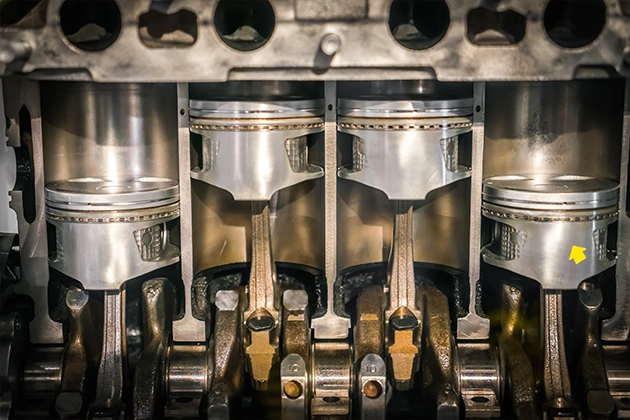
A reciprocating air compressor, often referred to as a piston compressor, utilizes pistons driven by a crankshaft to deliver compressed air. Unlike rotary screw models designed for continuous 24/7 operation, the piston compressor is typically best suited for intermittent use or lower CFM (Cubic Feet per Minute) requirements. The core maintenance concept centers on lubrication, heat management, and component wear, which are directly tied to the unit’s duty cycle.
Understanding the duty cycle—the percentage of time your compressor actually runs—is fundamental to scheduling. Since piston technology involves metal-on-metal contact, regular oil changes and valve inspections are non-negotiable elements of system care. Ignoring these simple tasks dramatically increases the likelihood of catastrophic failure. What is the fundamental difference between simply adding oil and performing a full scheduled service? The latter involves inspecting key components that prevent the compressor from destroying itself.
The High Cost of Neglect: Protecting Industrial Uptime
Industrial facilities operate on strict production schedules; even a few hours of downtime can eliminate profits for the entire day. The cost of neglecting compressed air equipment is staggering. Consider a medium-sized Midwest manufacturer who relies on piston compressors for paint booth applications. If the compressor seizes due to neglected oil and filter changes, the facility faces not only the cost of a new pump, but also lost product, wasted man-hours, and potential penalties for late delivery—a true loss of long-term economic value.
Industry data suggests that for every dollar spent on reactive, unscheduled repairs, a facility could have saved four to nine dollars by investing in scheduled maintenance. This confirms that the highest operating costs are almost always tied to unplanned downtime, not scheduled service appointments. How does ignoring minor leaks today turn into thousands of dollars in repairs tomorrow? Minor leaks force the motor to work harder and longer, accelerating wear on seals, valves, and the piston itself, threatening system uptime across all industrial applications.
Key Factors Determining Your Equipment’s Service Schedule
Establishing the perfect maintenance schedule is not a one-size-fits-all process; it requires technical evaluation of the compressor’s operational profile.
The three primary factors influencing the longevity and service timing of the equipment are its usage, its environment, and the fluids utilized. Firstly, the operational duty cycle and runtime hours are critical, as the most precise way to schedule maintenance is by tracking runtime hours, not calendar months; units used intermittently will require less frequent service than those running constantly. Secondly, the role of the environment (temperature, humidity, and contaminants) is vital, as a compressor operating in a hot, dusty environment will require oil and filter changes far more frequently than one operating in a clean, climate-controlled facility, since airborne contaminants rapidly clog filters, choking the compressor. Expert consultants emphasize that a strict focus on these technical factors is necessary to avoid costly mistakes.
Essential Component Checks: The Core Service Routine
A scheduled service for piston-based equipment is a thorough examination, not just a simple fluid swap. To protect the investment and maintain eligibility for an industry-leading 10-year warranty, several components require meticulous attention.
The standard service routine involves four critical checks: fluid management, which includes draining and replacing the oil with the exact manufacturer-specified lubricant to prevent carbon buildup and motor overheating; filtration systems, which requires changing the air intake filters and inspecting the crankcase breather filter, as a clean filter is the most affordable way to protect the piston rings and cylinders from wear; valve inspection, checking the inlet and discharge valves for carbon deposits or leaks, which reduce efficiency and lead to excessive runtime; and a belt and leak check, which involves tightening belts to prevent slippage and performing a simple leak check on all connections and hoses to ensure no energy is being wasted. These routine tasks are critical to maintaining the system’s integrity and protecting it from major internal damage.
Comparing Maintenance Complexity: Piston vs. Screw Technology
When considering the maintenance investment, it is useful to compare the piston model against its sophisticated counterpart. Piston compressors, while robust, are mechanically more complex to maintain because of the cyclical motion and higher wear on valves and rings.
A variable speed rotary screw air compressor (VSD) is designed for 100% duty cycle continuous use and often has scheduled maintenance intervals based on thousands of hours, sometimes requiring service only once or twice a year. However, VSD technology introduces electronic complexity. While the mechanical components (bearings, rotors) may have a longer life, the VSD controller and sensors require specialized, diagnostic maintenance. While the maintenance costs for a rotary screw service may be higher due to specialized lubricants and parts, the frequency is lower, and the energy efficiency benefits often outweigh the added complexity.
Calculating Maintenance ROI: Protecting Your Long-Term Economic Value
The maintenance strategy must be viewed as an insurance policy that protects the initial investment and the facility’s production. Consistent scheduled service ensures that the compressor remains covered by its 10-year warranty. By keeping up with service, the machine’s long-term economic value is protected.
Consider the following scenario: A set of piston rings and a full fluid service costs approximately $X every 1,000 hours. A catastrophic failure due to neglect—requiring a full pump replacement and bearing overhaul—costs 10 to 15 times $X. Maintenance is a calculated, low-cost investment that guarantees eligibility for repair coverage and minimizes the risk of sudden, expensive failure. In short, paying a little now prevents paying a lot later.
Final Recommendations for Maintaining System Uptime
Maintaining consistent uptime for a compressed air system requires planning, diligence, and expertise.
Adherence to manufacturer service intervals, monitoring the compressor’s runtime hours, and proactively checking for energy-wasting leaks are the three pillars of a successful maintenance program. Never compromise on fluid or filter quality; using substandard products voids protection and invites failure. To protect the equipment and the smooth operation of industrial applications, prioritize preventative maintenance over costly, reactive repairs.
Achieving Operational Excellence and Stability
The longevity and efficiency of industrial air systems are directly tied to the commitment to timely, scheduled care. Investing in professional, detailed maintenance ensures eligibility for warranty protection and dramatically lowers the total cost of ownership over the equipment’s lifespan. By focusing on preventative maintenance and following technical guidelines, facilities secure reliable performance and minimize the threat of sudden, catastrophic equipment failure. For complex industrial applications where downtime is simply not an option, consulting with experts to establish a precise service timeline is the most responsible fiscal decision.