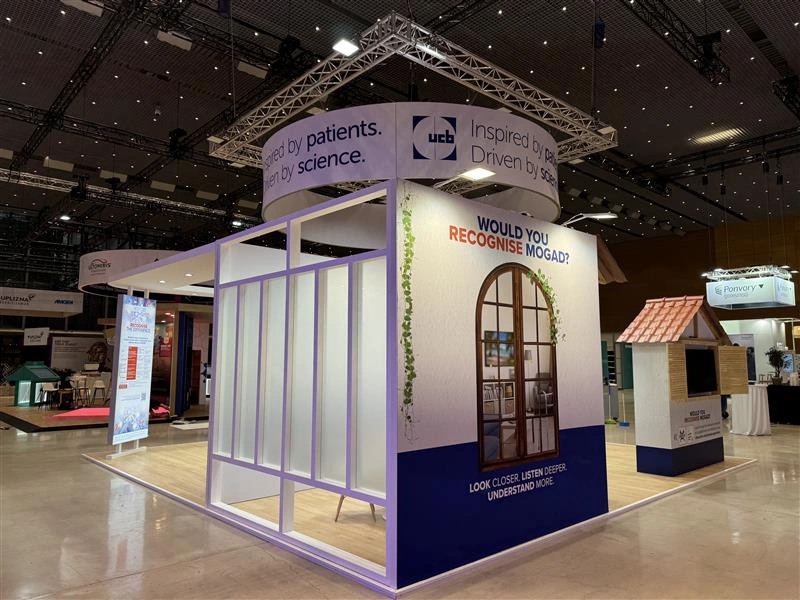
Going to exhibitions can be a difficult, unpredictable, and at times, tiring experience. A company that takes part in trade shows soon understands that one-off contractors are not the long-term, reliable resource they can count on. Therefore, it is crucial for companies to reorganize their exhibition stand contractor from a short-term actor into a trustworthy tactical partner who plans ahead, knows their ambitions, and can adapt the solutions to any event beforehand.
Going to exhibitions can be a difficult, unpredictable, and at times, tiring experience. A company that takes part in trade shows soon understands that one-off contractors are not the long-term, reliable resource they can count on. Therefore, it is crucial for companies to reorganize their exhibition stand contractor from a short-term actor into a trustworthy tactical partner who plans ahead, knows their ambitions, and can adapt the solutions to any event beforehand.
The Difference Between a Supplier and a Strategic Partner
In exhibition-related projects, the difference between a supplier and a partner determines the quality of the result. The exhibition booth contractor performs the task of assembling a few elements and installing the structure. The partner works with you as a strategic client: thinking about the effectiveness of participation in future events, building a systemic foundation, and helping to develop a brand presence in different markets.
Long-term cooperation also allows you to maintain a single stand style at different events, use adaptive solutions such as modular exhibition systems, modular booths, or modular exhibition stands, and plan budgets more predictably. In addition, the multiple use of design elements makes participation in exhibitions more economically profitable.
Laying the Foundation for a Long-Term Relationship
To make cooperation strategic, it is important to plan not just one exhibition, but several years in advance. This allows you to create scalable solutions, including modular exhibition stand design, which can be transformed into different formats. Early communication about the plans allows the contractor’s team to form a roadmap and avoid unnecessary waste of time and resources.
One of the most important parts is defining clear roles and rules of interaction. Working with multiple client departments often results in delays; however, if the procedures are agreed upon beforehand, the task is accomplished faster and the outcome is of a higher standard. Also, it is necessary to define a precise area for project adjustments to prevent the occurrence of disorder during the event’s preparation.
Key elements that help strengthen long-term collaboration include:
- transparent and consistent communication channels between both teams;
- agreed pricing models that take into account the reuse of elements;
- access to the contractor’s expanded marketing strategy;
- creation of a system for storing, upgrading, and using modular exhibition stands for exhibitions;
- involving the contractor in design discussions even before the final brief is formed.
How to Collaborate Beyond the Basic Build
Today’s brands expect their trade show booth builders to do more than just technical work, but to become a full-fledged part of the event preparation. An experienced contractor helps calculate logistics, provides recommendations on stand size, prepares modular exhibit booth options that can be easily adapted, and offers solutions for optimizing the visitor route inside the exhibition.
When the team works collaboratively with the client, they are able to create modular trade show booths that generate more leads, look consistent across events, and can be modified or expanded without having to build everything from scratch. Having the contractor involved at the conceptual thinking stage makes the project much stronger than when they are only involved for installation.
Building Trust Through Transparency and Feedback
Trust is the major factor that will make a relationship last. After every event, the brand is expected to share with the exhibition booth contractor the data and the results about the event: what went well, which parts of the booth got the most attention, what problems the setting faced, and how the audience reacted.
Being open allows the contractor team to refine designs, propose new functional solutions, and use previous experiences in future projects. When problems arise, it is important to resolve them constructively without destroying the partnership, because it is the ability to overcome difficulties together that forms a truly reliable relationship between a brand and its regular exhibition booth company.