When you manage a retail store, you juggle so much. You think about sales all day. You focus on staff schedules. You want your products to catch every shopper’s eye. But you should also focus on potential hazards. A spill or crowded aisle can lead to a serious accident if you ignore it.
Accidents aren’t just embarrassing for the store. They can also be devastating for the customer. You could lose your entire business after one personal injury claim. That’s why layout matters just as much as merchandising. A smartly planned store keeps everyone safe. Want to protect your customers and your business? Here are seven layout ideas that can help.
1. Organized Displays
Products piled haphazardly on shelves create hidden hazards. Kids grab things off the edge. Things could fall on someone’s head. Keeping your store’s display fixtures organized prevents these accidents.
Carefully place stock securely on each shelf. Make sure boxes don’t block aisles. A clear layout helps shoppers navigate naturally. They don’t rush. Or step into hazards. Staff can quickly spot spills or misplaced items. This makes your store look professional. It becomes easy to move through. The more organized your displays, the fewer incidents you’ll face.
2. Rounded Corners on Fixtures
Sharp edges on shelves and countertops are another hazard. Customers turn quickly. Kids dart around unpredictably. One wrong bump can lead to cuts or bruises. Rounded corners soften that risk.
Consider retrofitting fixtures to make edges smooth and curved. Foam guards work for older units, too. Prioritize the upgrades in areas where people linger. That includes checkout lines and sample tables. With rounded corners in your fixtures, you’ll worry less about minor collisions.
3. Wider Aisles
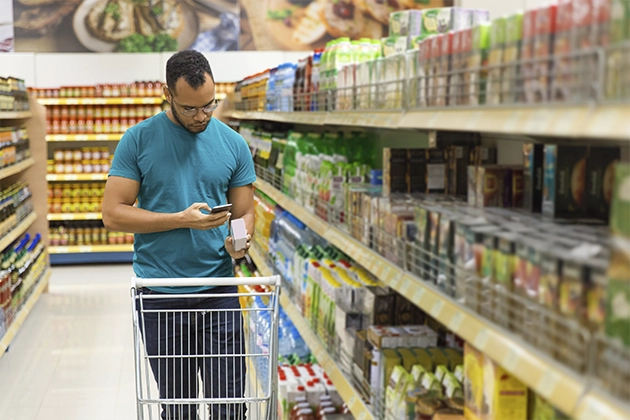
Tight aisles cause congestion. Customers bump into other people’s carts. Shoppers sidestep each other. That can cause falls. Or at least some frustration. Making aisles wider gives breathing room. It improves the overall customer experience. Customers can pause to look at products safely. Staff can restock without blocking traffic.
Wider aisles let people move at a natural pace. It prevents rushing. It keeps collisions at bay. Let proper signage and floor markers guide flow. You reduce accident risks, all because you have a calmer shopping environment.
4. Proper Lighting
Dim areas can hide hazards. Shadows in corners can conceal spills. They can make uneven floors less obvious. And that’s when accidents happen.
Think about the experience from your customer’s perspective. They want to browse confidently. Not worry about tripping. So, upgrade your lighting. Ensure that every aisle and entrance is visible. That way, customers spot hazards fast. LED panels and brighter overhead lights can really boost visibility and safety.
Lighting isn’t just for customers. It also helps staff move faster. They can spot problems early and fix them before they become accidents.
5. Non-Slip Flooring
Slippery floors can lead to disaster in a store. The smallest unmopped puddle can send someone to the ground. Overly polished tiles can cause falls, too.
Installing non-slip flooring is a practical safeguard. Think mats. Maybe some textured tiles. Install them in high-traffic areas where customers are prone to slipping. This change can reduce store slip and fall cases. That protects customers and your business.
Keep all floors dry, too. Train staff to watch for wet spots. Enforce a rule to clean up these messes immediately. Customers move naturally when the floor feels secure underfoot. Staff can focus on service instead. Not constantly worrying about accidents.
6. Seating Areas for Rest
In recent years, more stores have gotten rid of chairs and benches. The idea is that shoppers keep moving. They browse more. In the end, they buy more. But removing places to rest can backfire. Tired customers move faster. They could lose focus. They’re more likely to trip or bump into displays. Well-placed seating areas can prevent that.
Think about where families or older customers might need a pause. Position sturdy benches near display corners. Maybe near sample stations, too. Keep them accessible for kids and adults alike.
When people can rest safely, they move through the store with more care. You’ll have fewer rushed or distracted shoppers. Customers feel looked after. You avoid unnecessary accidents. All while encouraging longer, more thoughtful visits.
7. Visible Emergency Exits
Emergencies like fires or earthquakes are stressful enough in a store. Exits that are hard to find make them worse. Shoppers and staff waste precious time searching for a way out. Clearly marked, unobstructed exits enhance security.
Use bright signage to indicate the exit. Keep pathways free of displays. Staff should know the layout. That way, they can guide people calmly if something happens.
Visible exits aren’t just about emergency readiness. They also build confidence in your store. Customers notice when a business takes safety seriously. Everyone feels safer moving through the store.
Conclusion
Every detail matters when it comes to store safety. Aisle widths affect how customers move. Signage tells them where to go. Floors that grip prevent slips. Planning these out for your store shows you care. It also reduces the risk of injury while people shop.
When your store feels safe, shoppers relax. They spend more time exploring. Staff worry less about accidents. Your space feels brighter and happier. Keep the store safe, and your customers will keep coming back.