
Life on the roads in Mesa, Arizona, can feel predictable until an unexpected accident changes everything in seconds. Many drivers are unsure about what really happens after a crash, especially when fault and responsibility come into question. To better understand how liability works in such situations, resources like https://becklawmo.com/ can offer helpful clarity when things feel uncertain. A clear grasp of these rules helps avoid confusion and reduces the risk of costly mistakes in stressful moments.
From identifying fault to dealing with insurance claims, each step plays a role in how outcomes unfold. Knowing what evidence to collect and how laws apply can protect both your finances and your peace of mind. It also helps you avoid saying or doing anything that could affect your case later. With the right knowledge, handling accident situations becomes far less overwhelming.
Defining Liability in Accidents
Liability means being legally responsible for an accident and damages. If an incident happens, the first thing to do is to identify who is in the wrong. There’s an investigation, where insurance companies and legal authorities review evidence to ascertain which party is liable. An admission of fault on your part may negatively impact your insurance coverage and possible claims. Don’t say things that SOUND guilty before the facts are all in.
Fault Types in Car Accidents
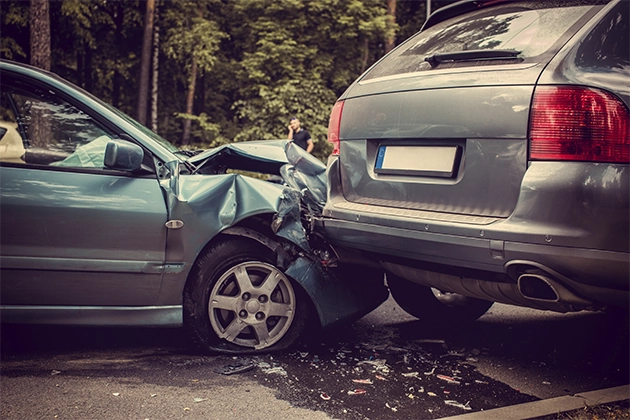
There are different ways that fault can be assigned for a vehicle collision. One driver is sometimes 100% at fault, and other times it is a joint liability situation. Sometimes, both drivers can be fully or partially responsible for the accident. Comparative fault laws take into account the actions of each participant and allocate responsibility proportionately. Knowing the differences can help people better prepare for possible outcomes when they begin to talk about insurance.
Importance of Proof in Proving Liability
Gathering evidence from the scene of an accident is important for identifying who was responsible. Pictures of the scene, where vehicles ended up, and any visible damage can help shed light on such things. There, witness statements and police reports add context. Collecting this information helps in a fair assessment by insurers or lawyers. Timely and proper documentation can affect how liability is apportioned.
Insurance and Liability Coverage
For all those unfortunate accidents, insurance policies are a big help when it comes to taking care of expenses. Liability Coverage: This coverage is in place when you cause damage to someone or property, which is why most drivers have it. This coverage will assist with expenses involving repairs to property and medical expenses for impacted individuals. Reviewing policy details helps drivers to be clear on their level of coverage and whether they may have to pay out of pocket for any specific situations. Having enough coverage gives you peace of mind about the unexpected.
Legal Consequences of Liability
If you hit someone with a vehicle, you will be liable for the injury in this case. Those that are determined to be at fault could be subjected to penalties, like fines, heightened insurance rates, or license suspension. Actions by the people affected can lead to litigation over serious incidents and may also mean compensation. Understanding the potential consequences reinforces the importance of safe driving and of being aware when on the road. Deriving the consequences with the fear of loss or accident, people do follow the road laws.
What To Do Following an Accident
The first step is to look for injuries and call for medical help. Just call the police because that way there is a formal note of the said incident. Gathering other parties’ information, such as names and insurance details for future claims, is vital. Notifying your insurance company as soon as possible helps get the claims process underway by letting them know what the next step will be. This action will facilitate an easy conclusion and a safeguard against potential future disagreements.
Importance of Honesty and Cooperation
Cases will be cleared up properly if investigations are done truthfully. By providing accurate statements and cooperating with authorities, they demonstrate responsibility and respect for the law. Concealing or misrepresenting facts can damage credibility and worsen results. Different blocks will enable enhanced transparency as well, which will support the process of handling claims and ensuring trust among different parties. Transparency lowers anxiety for all parties involved and leads to faster settlements.
Conclusion
Liability in car accident cases impacts the safety and financial well-being of every driver. What is different is knowing how culpability is assigned, gathering evidence, and following proper protocols. Knowledge of insurance coverage and threats gives motivation to drive responsibly and respond quickly to an accident. By learning about them now, drivers can be more confident in their responses to accidents and the aftermath. Everyone on the road benefits when habits are responsible and knowledge is abundant.