Metal breakdown drains billions from industries every year, damaging pipelines, structural beams, and countless other assets. The process works silently, weakening materials and cutting short the working life of equipment that operators depend on daily. Knowing how various forms of metal decay take hold gives engineers, fabricators, and maintenance crews the knowledge they need to apply proper defenses. This guide walks through the frequent corrosion categories seen in metalwork, what triggers them, and sensible ways to limit their effects.
What Causes Metal to Corrode?
Corrosion starts when metal reacts with its environment, typically through an electrochemical process that involves moisture, oxygen, and electrolytes. Conditions like humidity, salty air, acidic settings, and shifting temperatures speed up the reaction considerably. More reactive metals, including iron and aluminum, deteriorate quicker than noble metals such as gold or platinum. Surface dirt, weak coatings, and stress points also push decay along faster. Pinpointing the root cause lets technicians pick the right alloys, finishes, and service intervals for lasting performance.
Common Forms of Corrosion in Metalwork
Corrosion almost never behaves identically from one project to the next. Each variant carries its own triggers and visible signs, so early detection becomes critical for asset protection. Fabricators who examine decay patterns often spot issues before structural strength suffers. Several well-documented types of corrosion show up across welding, machining, and structural fabrication work, and each calls for a slightly different response from crews handling steel, aluminum, or specialty alloys on site.
1. Uniform Corrosion
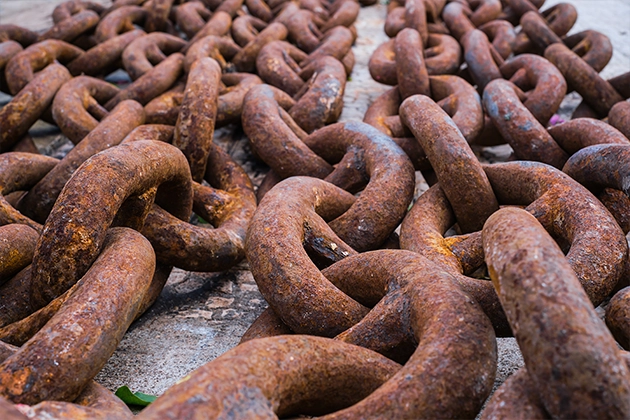
Uniform attack spreads evenly over an exposed metal surface. It usually appears as a steady layer of rust or oxidation, especially on bare carbon steel left outside for long periods. Even though the behavior stays predictable, this variety still causes gradual thickness loss. Routine inspections, protective paints, and galvanized coatings slow its advance quite a bit.
2. Galvanic Corrosion
Galvanic activity takes place when two different metals touch each other with an electrolyte present, such as seawater. The less noble metal decays faster, while the other stays mostly intact. Marine fittings, plumbing connections, and mixed-metal assemblies often deal with this trouble. Insulating washers, matched metal pairings, or sacrificial anodes help block accelerated damage.
3. Pitting Corrosion
Pitting forms tiny, deep cavities on metal surfaces. Stainless steel and aluminum stay particularly exposed to risk inside chloride-heavy environments. Those pits may seem small at first, yet they can bore deeply and trigger sudden failures within pressure vessels or piping networks. Careful alloy choice, surface polishing, and cathodic protection cut pitting risks substantially.
4. Crevice Corrosion
Crevice decay builds up inside narrow gaps where stagnant fluid gathers, such as beneath gaskets, washers, or lap joints. Low oxygen levels inside the crevice create a harsh microenvironment. Stainless fasteners, flanged links, and heat exchanger tube sheets regularly display this condition. Reworking joints to remove tight pockets and applying sealants can limit the exposure.
5. Intergranular Corrosion
Intergranular damage attacks the grain boundaries within a metal’s microstructure, often following faulty heat treatment or welding work. Stainless steels sensitized during welding lose mechanical strength in a hurry. Choosing low-carbon grades or stabilized alloys helps stop this quiet but severe condition from taking hold.
6. Stress Corrosion Cracking
Stress corrosion cracking comes from tensile stress working alongside a corrosive setting. Cracks travel through the metal, sometimes with no warning, leading to disastrous failure. Pipelines, boilers, and bridge cables carry elevated risk. Stress-relief treatments, corrosion-resistant alloys, and regular inspections continue to serve as the strongest defenses.
7. Erosion Corrosion
Erosion occurs when rapidly moving fluids strip away protective oxide layers from metal surfaces. Pumps, impellers, and elbow fittings inside piping runs frequently show grooved or polished wear marks. Harder alloys, redirected flow paths, and smoother finishes stretch equipment life considerably.
Preventive Measures Worth Applying
Good protection begins with careful material choice. Stainless grades, aluminum alloys, and coated carbon steels each hold up well in specific settings. Protective finishes, such as epoxy paints, powder coatings, and galvanization, build barriers against moisture and chemicals.
Cathodic protection setups, steady cleaning routines, and environmental controls like dehumidification lower risks further. Logging exposure conditions and inspection schedules gives teams the data they need to plan timely fixes before serious harm takes root.
Conclusion
Corrosion touches almost every metal structure, yet its effect depends on how quickly it gets spotted and addressed. Identifying the exact form working on a component lets teams apply focused solutions rather than broad patches. Whether crews face pitting on stainless pipes or galvanic decay inside mixed assemblies, smart decisions stretch service life. Staying ahead through regular inspections, quality coatings, and careful material selection keeps both assets and workers safe across any metalwork operation.