


The global gambling industry has undergone profound shifts in the last decade. Once centered around physical casinos, racetracks, and betting parlors, the sector’s growth has become increasingly digital. Online platforms now account for a significant share of total gambling revenue worldwide, with business models evolving rapidly to meet changing regulatory frameworks, technology adoption, and customer expectations.
At the heart of this transformation are platforms such as JeffBet.net, which illustrate how technology, compliance, and market strategy collide to form new competitive dynamics. For executives, understanding this evolution is essential to navigating regulatory risk, scaling responsibly, and positioning platforms for long-term value.
Fragmented Markets, Unified Digital Strategy
Historically, gambling regulation varied widely from state to state and country to country. In many regions, brick-and-mortar casinos operated under long-standing licensing regimes, while digital betting was either unregulated or expressly prohibited. This created a patchwork environment that constrained online expansion.
The emergence of regulated online gambling markets has shifted the landscape. In parts of Europe, the United Kingdom, and select U.S. states, legislation now allows licensed operators to conduct sports wagering, poker, casino games, and lotteries online under strict oversight. These regulatory frameworks mandate age verification, responsible gaming safeguards, anti-money laundering compliance, and geo-fencing technologies.
For business leaders, these fragmented regulatory environments require sophisticated compliance infrastructures. Platforms that can adapt to diverse requirements without compromising user experience gain strategic advantages. Digital-first companies have leveraged this complexity by building modular systems that integrate compliance at every layer of operation.
The Competitive Shift Toward Platform Consolidation
As markets have matured, competition among online gambling operators has intensified. Early entrants captured share through first-mover advantages, but sustained growth increasingly depends on scale, brand recognition, and technology capability.
Many operators are moving away from isolated offerings and toward platform consolidation, integrating sports betting, casino games, live dealer experiences, and loyalty programs under unified technology stacks. This not only improves user retention but also spreads regulatory and operational risk across product lines.
Integration has also attracted capital. Investors are more willing to back platforms with diversified digital portfolios than those tied to single verticals. Consolidated services allow better customer lifetime value metrics, more comprehensive data streams, and cross-selling opportunities that strengthen competitive moats.
Monetization Models and Revenue Diversification
The evolution of online gambling has ushered in more sophisticated monetization approaches. Traditional revenue models focused on the house edge in casino games or fixed margins in sports betting lines. However, digital platforms have expanded these strategies:
Subscription tiers that offer enhanced experiences
Premium data and analytics for serious bettors
Loyalty rewards and tokenized incentives
Live event integration and dynamic odds pricing
This diversification reflects an industry-wide recognition that customer engagement, not just one-time bets, drives sustainable revenue. Platforms that excel at retention and personalized interaction are better positioned to weather competitive pressure and regulatory costs.
Industry data from Statista shows that regions with well-regulated markets often exhibit higher per-user revenue and longer average customer lifecycles, underscoring the business benefits of integrating compliance and technology strategies.
Regulatory Compliance as a Strategic Asset
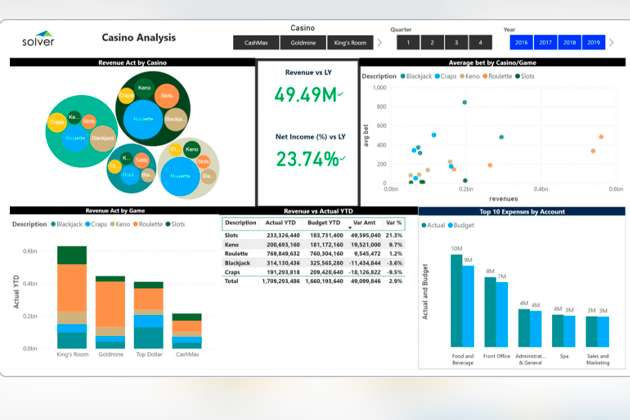
In the early days of digital gambling, compliance was often seen as a cost center, necessary but unrelated to core business value. Today, however, successful platforms treat compliance as a strategic asset.
In regulated markets, operators must implement advanced age-verification systems, anti-fraud measures, and secure payment infrastructures. These capabilities do more than satisfy regulators; they build trust with users and differentiate platforms in crowded marketplaces.
Regulators in mature jurisdictions also require strict reporting metrics. Platforms must generate transparent audit trails for wagers, payouts, and user verification. Leaders who invest early in scalable compliance solutions reduce friction when entering new markets or adapting to updated legislation.
Technology and User Experience
Technology underpins every stage of the online gambling evolution. Modern platforms use cloud infrastructure, real-time data analytics, mobile-optimized interfaces, and secure APIs to deliver seamless user experiences across devices.
User experience is especially crucial in regulated markets, where strict identity checks and security protocols can introduce friction. The most successful operators design intuitive onboarding workflows that balance compliance with ease of use.
Artificial intelligence and machine learning further enhance platform performance by powering personalization, fraud detection, and dynamic odds optimization. This tech-driven personalization mirrors trends in other digital industries, where tailored experiences significantly increase engagement and retention.
Cross-Border Challenges and Innovation
While the digital nature of online gambling enables global reach, regulatory boundaries remain tied to geography. Platforms that operate in multiple markets must implement geo-location services that respect legal access zones without degrading user experience.
Even within single countries, states or provinces can impose distinct regulations. In the United States, for example, sports betting is regulated at the state level, leading to a highly modular compliance architecture for operators operating in multiple states.
Innovation in responsible gambling tools has also emerged as a cross-border focus. Self-exclusion programs, spending limits, and real-time risk alerts are now industry norms, reflecting a broader commitment to sustainable gaming practices.
The Role of Data and Analytics
Data analytics lies at the core of modern gambling platforms. Beyond managing risk and compliance, data drives everything from marketing segmentation to in-play betting strategies. Platforms that harness real-time analytic insights can adjust odds dynamically, personalize recommendations, and detect suspicious patterns faster than competitors.
This data-centric approach has significant strategic value. It feeds intelligence that informs product development, customer acquisition strategies, and partnerships. By treating data as a strategic asset, operators can anticipate trends and refine offerings with agility.
Looking Forward: Opportunities and Risks
The evolution of online gambling platforms in regulated markets carries both opportunity and risk. On the opportunity side:
Digital channels offer unprecedented scale
Regulation creates predictable frameworks for expansion
Technology drives personalization and monetization
At the same time, operators must navigate:
Intensifying competition
Compliance complexity across borders
Responsible gaming expectations
Emerging threats in cybersecurity and fraud
Platforms that balance innovation with governance, and that prioritize long-term sustainability over short-term growth, are most likely to thrive.