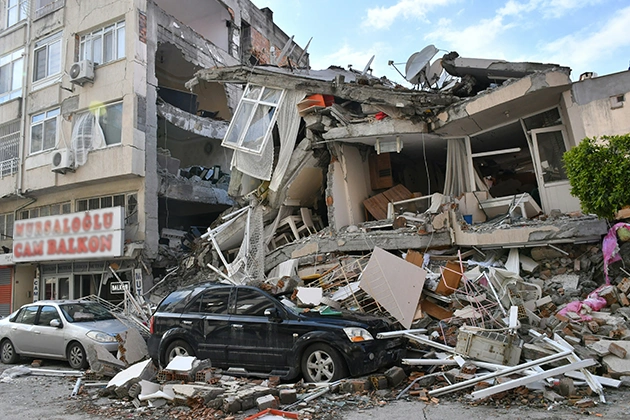
Earthquakes can occur with little warning and leave lasting damage. Preparing homes before an event can help protect families, property, and cherished belongings. Simple actions taken early can make a crucial difference in safety and recovery. This guide explains practical steps to prepare any household for seismic activity.
Assessing Home Structure
Preparing your home for an earthquake begins with inspecting its structure. You can identify preexisting cracks or compromised areas in your foundations, walls, and roofs. Strengthen sections that appear susceptible to the Earth’s movement. To limit the risk of chimneys and fireplaces collapsing in a vigorous shake, add bracing between bricks and anchoring to the house. If it is an older home, it may be worth considering a building expert for a full inspection.
Securing Furniture and Appliances
An earthquake can topple large furniture or heavy appliances, which creates injury hazards and traps people. Secure bookshelves, cabinets, and wardrobes to walls with proper brackets. If items are heavier, place them on lower shelves and cut down the risk of objects falling. Fasten electronics and appliances with nonslip pads or straps.
Organizing Emergency Supplies
Assemble a comprehensive emergency kit for the entire household. Include bottled water, non-perishable food, a flashlight, batteries, and a first aid kit. Add necessary medications, important documents, and personal hygiene items. Store the kit in an accessible location known to all family members for quick retrieval during an emergency.
Creating a Family Plan
Review earthquake safety at home with everyone in the household. Identify safe areas, such as under sturdy tables, inside walls, below windows, away from massive objects, etc. Conduct “drop, cover, and hold on” drills regularly so you build muscle memory. Select a rally point outside of the home in case of an evacuation.
Identifying Utility Shutoffs
Find the shutoff points near the home for gas, water, and electricity. Learn the proper method of shutting off each utility to prevent fires or more extensive damage after a large earthquake. Mark closed valves and switches clearly for easy identification in an emergency. Instruct every household member who is physically able to use them.
Strengthening Walls and Foundations
Unreinforced masonry buildings are vulnerable to earthquakes. Use high-strength steel bolts or brackets that connect the structure to the foundation. Use plywood sheathing to brace cripple walls to resist collapse. Assess garage doors and frames. These frequently need additional reinforcement. All these measures decrease the potential for massive structural collapse.
Minimizing Glass Hazards
Windows, mirrors, and glass doors may break when shaking is intense, causing injuries. Apply safety film to the glass to prevent shattering. Move furniture so that beds and seating areas are not directly beneath windows or glass light fixtures. At night, close curtains or blinds to contain broken glass.
Preparing Outdoor Spaces
Check outdoor spaces for anything that could be loose, like potted plants, grills, garden tools, and so on, which could be potential hazards in an earthquake. Lock away these objects or move them to sheltered sites. Cut back branches that may hang over the roof or cross-paths to prevent dropping materials or blocking exits.
Reviewing Insurance Coverage
Most homeowner’s insurance does not cover damage from earthquakes. Evaluate the existing coverage and add seismic events to your policy. Take pictures/videos of items you own to document what you have and keep those records somewhere safe. Knowing your coverage thoroughly will make the claims process smoother following an earthquake.
Staying Informed
Sign up for local emergency alerts to receive timely information about seismic activity. Keep a battery-powered radio on hand to monitor news and official instructions if the power fails. Encourage every household member to stay calm and follow safety plans during drills or actual events.
Conclusion
Taking small steps ahead of earthquakes prepares any family for the unexpected. Having practical plans, conducting regular drills, and effective communication make the atmosphere around all the participants calmer and less likely to be chaotic. Planning for safety today saves lives and homes tomorrow