
Sign In
The CEO Views Small logos
  • Home
  • Technology
    Artificial Intelligence
    Big Data
    Block Chain
    BYOD
    Cloud
    Cyber Security
    Data Center
    Digital Transformation
    Enterprise Mobility
    Enterprise Software
    IOT
    IT Services
    Innovation
  • Platforms
    How IBM Maximo Is Revolutionizing Asset Management
    How IBM Maximo Is Revolutionizing Asset Management
    IBM
    7 Min Read
    Optimizing Resources: Oracle DBA Support Services for Efficient Database Management
    Oracle
    Oracle
    9 Min Read
    The New Google Algorithm Update for 2021
    google algorithm update 2021
    Google
    5 Min Read
    Oracle Cloud Platform Now Validated for India Stack
    Service Partner Horizontal
    Oracle
    3 Min Read
    Oracle and AT&T Enter into Strategic Agreement
    oracle
    Oracle
    3 Min Read
    Check out more:
    • Google
    • HP
    • IBM
    • Oracle
  • Industry
    Banking & Insurance
    Biotech
    Construction
    Education
    Financial Services
    Healthcare
    Manufacturing
    Mining
    Public Sector
    Retail
    Telecom
    Utilities
    Gaming
    Legal
    Automotive
  • Functions
    RISMA Systems: A Comprehensive Approach to Governance, Risk and Compliance
    Risma Systems
    ENTREPRENEUR VIEWSGDPR
    9 Min Read
    Happiest Minds: A “Privacy by Design” approach is key to creating GDPR compliant businesses
    Happiest Minds 1
    GDPR
    8 Min Read
    Gemserv: GDPR 2020 and Beyond
    Gemserv 1
    GDPR
    9 Min Read
    ECCENCA:GDPR IS STILL AN UNTAMED ANIMAL
    eccenca 1
    GDPR
    6 Min Read
    Boldon James: HOW ENTERPRISES CAN MITIGATE THE GROWING THREATS OF DATA
    Boldon James 1
    GDPR
    8 Min Read
    Check out more:
    • GDPR
  • Magazines
  • Entrepreneurs Views
  • Editor’s Bucket
  • Press Release
  • Micro Blog
  • Events
Reading: How Do Electronic Money Laws Work In Different Countries
Share
The CEO Views
Aa
  • Home
  • Magazines
  • Enterpreneurs Views
  • Editor’s Bucket
  • Press Release
  • Micro Blog
Search
  • World’s Best Magazines
  • Technology
    • Artificial Intelligence
    • Big Data
    • Block Chain
    • BYOD
    • Cloud
    • Cyber Security
    • Data Center
    • Digital Transformation
    • Enterprise Mobility
    • Enterprise Software
    • IOT
    • IT Services
  • Platforms
    • Google
    • HP
    • IBM
    • Oracle
  • Industry
    • Banking & Insurance
    • Biotech
    • Construction
    • Education
    • Financial Services
    • Healthcare
    • Manufacturing
    • Mining
    • Public Sector
    • Retail
    • Telecom
    • Utilities
  • Functions
    • GDPR
  • Magazines
  • Editor’s Bucket
  • Press Release
  • Micro Blog
Follow US
© 2022 Foxiz News Network. Ruby Design Company. All Rights Reserved.
The CEO Views > Blog > Industry > Banking & Insurance > How Do Electronic Money Laws Work In Different Countries
Banking & Insurance

How Do Electronic Money Laws Work In Different Countries

The CEO Views
Last updated: 2024/08/20 at 12:09 AM
The CEO Views
Share
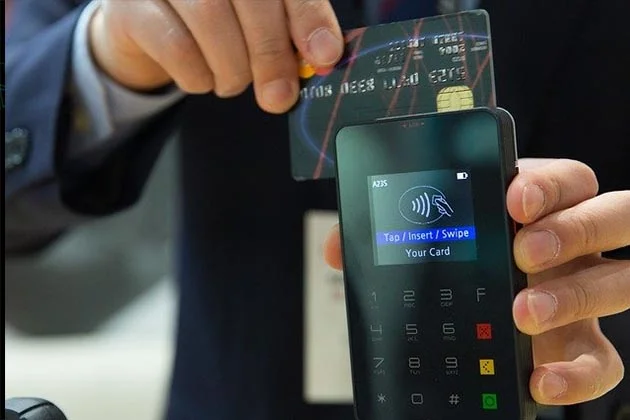
How Do Electronic Money Laws Work In Different Countries Title image

The electronic money laws in different countries can vary a lot. In this article, you will learn about electronic money laws in different countries. By the end of this post, you should have a better understanding of how electronic money works around the world and explore Money transfer companies.

How Lithuania Handled This Law?

This law in Lithuania is very similar to the laws in most European countries. Lithuania did not have electronic money before, however, they had legislation that allowed electronic contracts and electronic signatures. This was used for Bitcoin transactions since it allows cryptocurrency use.

The law was passed on the 13th of September 2017 which made all crypto-related activities legal but required them to register with their financial regulators within three months after passing this law, companies are obligated to follow KYC protocols if they want to avoid being fined or getting into trouble by Lithuanian authorities.

As long as businesses meet these conditions they can issue electronic currencies while also having some restrictions like how much users can deposit without verifying their accounts etc. It’s important to know this when applying for a Lithuania E-money license so that you know the rules and regulations. For example, only €100 would be deposited per user each month. The electronic money electronic license in Lithuania is valid for five years, and it must be renewed before the expiration date.

How The US (Federal Reserve) Regulates E-money?

When it comes to the United States electronic money is regulated by the Federal Reserve. In this case, it refers to funds or values that are stored electronically and can be exchanged through electronic transactions like mobile payments, online banking, e-commerce, etc.

The US electronic money laws consist of three parts:

  • the Electronic Fund Transfer Act (EFTA)
  • Regulation E, which applies when electronic funds transfers take place within two days
  • Regulation Z applies when electronic transactions take more than two days.

The EFTA is the electronic money law that protects consumers from fraudulent activities in electronic fund transfers such as electronic check conversion (ECC), unauthorized use of lost or stolen cards, etc. ECC occurs when a business attempts to collect payment by debiting your checking account even after you have canceled the transaction with them.

The federal government has put in place protections against this illegal activity through an amendment in 1986 to the Electronic Funds Transfer Act (EFTA). This amendment requires merchants who accept debit card payments for goods and services to get their customer’s consent before processing any type of e-check conversion transaction on their bank accounts electronically.

How China Regulates E-money

The Chinese e-money law is regulated through a number of different electronic payment service supervision measures. According to those regulations, an electronic money issuer must provide the following services:

  • issuance and supply;
  • recharge;
  • acceptance by others as well as acceptance from other institutions (with restrictions); and finally

China’s electronic money regulator, the People’s Bank of China (PBOC) has full control over electronic payments and e-money issuance. This includes:

  • the power to set rules on electronic payment institutions;
  • approval for new electronic payment products
  • supervision over these institutions including their risk management practices.

The regulatory framework also outlines how much capital is required by different types of issuers based upon their size, scope of business operations, transaction amount limits, etc.

The European Union’s Rules On E-money

The European Union has electronic money laws that all electronic payment providers must follow. These provisions are to ensure electronic payments can occur across borders without any restrictions or boundaries, and the legislation is aimed at developing electronic commerce in Europe.

These e-money regulations help electronic transactions be regulated by one law throughout EU countries, rather than many different rules for each country’s individual nation. It also ensures electronic payment providers are treated as financial institutions and helps electronic money issuers operate in more than one country.

These laws cover all electronic payment services, including prepaid cards and electronic wallets. They also cover any service that can be used as a substitute for money or give access to a payment account, such as electronic money. These laws also cover a service that offers a combination of electronic and traditional payments.

Electronic Money Laws

How Is E-money Handled In Japan?

The Japanese e-money laws are wide-reaching and complex. E-money is electronic money that can be exchanged for goods or services in the same way as cash, checks, debit cards, and credit cards. This includes electronic funds transfers as well as general-use prepaid (GUP) such as gift certificates and mobile phone credits.

The laws governing electronic money include those on banking, electronic funds transfer, payment systems, creation of electronic money, and oversight. These laws are all governed by the FIEA (Financial Instruments & Exchange Act) and the FSA (Financial Services Agency).

E-money laws are regulated differently in various countries and it’s important for you to know how they work in the place you live in. This way you’ll get a license easier because you know your rights and limitations. Some countries are stricter, while others have a little bit looser regulations. Getting educated on this level is crucial!


The CEO Views October 11, 2021
Share this Article
Facebook Twitter LinkedIn Email Copy Link
Previous Article How To Develop A Good Criminal Defense Strategy And Protect Your Rights Titel image How To Develop A Good Criminal Defense Strategy And Protect Your Rights
Next Article 6 Good Ways To Streamline Your Business Processes Title image 6 Good Ways To Streamline Your Business Processes
How Betting Odds Work

How Betting Odds Work: A Simple Guide for UK Players in 2026

January 27, 2026
Why Video Conferencing Technology is a Must Have for Hybrid Work
IT Services

Why Video Conferencing Technology is a Must-Have for Hybrid Work

The CEO Views By The CEO Views March 12, 2024
The Era of Autonomy
Cryptocurrency

The Era of Autonomy: How Crypto Solutions are Redefining Corporate Trust, Transparency, and Control

The CEO Views By The CEO Views October 1, 2025
Optimizing Reliability A Schedule for Piston System Longevity
Micro Blog

Optimizing Reliability: A Schedule for Piston System Longevity

The CEO Views By The CEO Views January 26, 2026
The Different Types of Surety Bonds Explained Title image
Micro Blog

The Different Types of Surety Bonds: Explained

The CEO Views By The CEO Views February 14, 2024

What Is a Fractional CFO, and How Does It Differ from an Interim CFO?

February 18, 2026

2026 NFL Estate Ownership Rules: Trade Proposals for Teams

February 18, 2026

VOZO AI Video Translator for Fast Accurate and Natural Localization

February 17, 2026

Role-based AI gives public safety agencies hours back every day

February 17, 2026

You Might Also Like

Essential Coverage Every Business Owner Needs
Banking & Insurance

Essential Coverage Every Business Owner Needs

6 Min Read
Florida Pet Insurance Compliance Trends Affecting Consumers
Banking & Insurance

Florida Pet Insurance Compliance Trends Affecting Consumers

7 Min Read
Proven Strategies to Get VCs to Invest in a Web3 Business
Banking & Insurance

Proven Strategies to Get VCs to Invest in a Web3 Business

7 Min Read
What Insurance Won’t Tell You After a Crash
Banking & Insurance

What Insurance Won’t Tell You After a Crash

6 Min Read
Small logos Small logos

© 2026 All rights reserved. The CEO Views

  • About Us
  • Privacy Policy
  • Advertise with us
  • Reprints and Permissions
  • Business Magazines
  • Contact
Reading: How Do Electronic Money Laws Work In Different Countries
Share

Removed from reading list

Undo
Welcome Back!

Sign in to your account

Lost your password?