

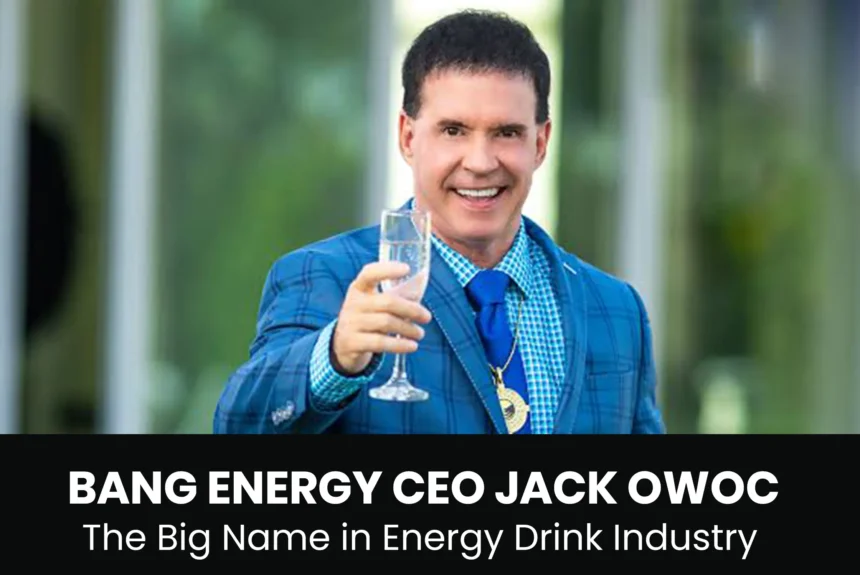
The success of bang energy ceo Jack Owoc is one of the most fascinating stories in the modern energy drink industry. Known for his bold marketing strategies and science-driven product development, Owoc transformed Bang Energy from a niche performance beverage into one of the fastest-growing energy drink brands in the United States. His journey combines entrepreneurship, innovation, legal battles, and resilience, making it a compelling case study for business leaders and aspiring entrepreneurs alike.
While Bang Energy experienced remarkable success, the company’s later challenges also highlight the importance of strategic management in today’s competitive consumer goods market.
Building an Entrepreneurial Vision
Jack Owoc founded Vital Pharmaceuticals (VPX Sports) in 1993 with the goal of creating nutritional supplements backed by scientific research. At a time when sports nutrition products primarily targeted bodybuilders, Owoc envisioned a broader market that included athletes, fitness enthusiasts, and everyday consumers seeking healthier performance products.
The company initially focused on protein powders, pre-workout supplements, and nutritional products designed to improve athletic performance. As the fitness industry expanded during the 2000s, VPX Sports steadily built a loyal customer base by emphasizing innovation and product quality.
Owoc’s educational background in law and business gave him a unique perspective on entrepreneurship. Rather than simply following existing trends, he consistently looked for opportunities to disrupt established markets through scientific formulations and aggressive branding.
The Launch of Bang Energy
The turning point came in 2012 when VPX introduced Bang Energy.
Unlike traditional energy drinks that relied heavily on sugar, Bang Energy positioned itself as a healthier alternative by offering:
- Zero sugar
- Zero calories
- High caffeine content
- Branched-chain amino acids (BCAAs)
- Coenzyme Q10 (CoQ10)
This unique combination appealed to fitness enthusiasts looking for an energy boost without the added sugar found in many competing beverages.
As health-conscious consumers became increasingly aware of sugar consumption, Bang Energy entered the market at exactly the right time. Industry analysts estimate that the global energy drink market has grown from approximately $45 billion in 2015 to well over $90 billion today, driven by demand for functional beverages and healthier alternatives.
A Marketing Strategy That Changed the Industry
One of the biggest reasons for Bang Energy’s rapid rise was its innovative marketing approach.
Instead of relying primarily on television advertising, Jack Owoc embraced social media platforms such as Instagram, YouTube, TikTok, and Facebook long before many traditional beverage companies shifted their marketing budgets online.
Bang partnered with:
- Fitness influencers
- Professional athletes
- Bodybuilders
- Content creators
- Lifestyle personalities
These partnerships helped the brand reach millions of consumers organically through social media.
Rather than promoting Bang as simply another energy drink, Owoc positioned it as a lifestyle product associated with fitness, ambition, and high performance. Bright packaging, bold flavors, and energetic branding further strengthened its appeal among younger audiences.
Standing Out in a Competitive Market
Breaking into the energy drink industry was no easy task. Major players such as Red Bull, Monster Energy, and Rockstar already dominated retail shelves across supermarkets, gyms, and convenience stores.
Instead of competing solely on price, Bang differentiated itself through product innovation.
Popular flavors including Blue Razz, Rainbow Unicorn, Cotton Candy, and Sour Heads generated excitement among consumers and encouraged repeat purchases. Limited-edition flavors also helped maintain strong engagement on social media.
Another significant advantage was Bang’s distribution strategy. The company rapidly expanded into gyms, nutrition stores, convenience stores, supermarkets, and online retailers, making the brand widely accessible throughout the United States.
By combining product innovation with influencer marketing, Jack Owoc demonstrated that challenger brands could compete successfully against established global companies without matching their traditional advertising budgets.
Who Is Jack Owoc? The Entrepreneur Behind Bang Energy
Many people searching Who is Jack Owoc are curious about the entrepreneur who transformed a sports nutrition company into one of the fastest-growing energy drink brands in the United States. More than just a business executive, Jack Owoc built his reputation as an innovator who challenged conventional thinking in the beverage industry.
Owoc founded Vital Pharmaceuticals (VPX Sports) with a vision of creating science-backed nutritional products. His philosophy centered on developing functional beverages that appealed to athletes and health-conscious consumers rather than relying solely on traditional energy drink formulas. This customer-focused approach eventually led to the creation of Bang Energy, a product that quickly disrupted the market.
One of Owoc’s defining leadership qualities was his willingness to embrace calculated risks. Instead of competing directly with established brands through conventional advertising, he invested heavily in influencer marketing and digital platforms.
Years before social media became the primary marketing channel for many consumer brands, Bang Energy had already built a massive online following through collaborations with fitness influencers, athletes, musicians, and content creators.
Innovation Through Product Development
Innovation remained at the heart of Bang Energy’s success. Rather than producing another conventional caffeinated beverage, the company introduced ingredients that resonated with consumers seeking performance-oriented drinks. Features such as zero sugar, zero calories, BCAAs, and CoQ10 differentiated Bang from many competing products.
This strategy reflected broader consumer trends. According to market research, nearly 60% of consumers actively seek reduced-sugar beverage options, while demand for functional beverages continues to grow globally. Products that combine convenience with perceived health benefits have become one of the fastest-growing categories within the beverage industry.
Bang Energy capitalized on these changing preferences by positioning itself as both an energy drink and a performance beverage.
Real Examples of Bang Energy’s Growth
Bang Energy’s rise demonstrates how strategic branding can reshape an established industry.
Between 2018 and 2021, the brand experienced exceptional retail growth across the United States. Major retailers, convenience stores, supermarkets, gyms, and online marketplaces expanded their Bang Energy offerings as consumer demand increased.
Industry reports indicated that Bang became one of the leading energy drink brands in America, competing directly with long-established companies such as Monster Energy and Red Bull. The company’s rapid expansion proved that innovative branding and product differentiation could help newer businesses compete against multinational corporations with significantly larger marketing budgets.
Bang also became highly visible in gyms, CrossFit competitions, bodybuilding events, and esports tournaments. By aligning the brand with active lifestyles, VPX Sports successfully created strong emotional connections with its target audience.
Challenges and Legal Disputes
Despite its remarkable success, Bang Energy also faced significant challenges. One of the most widely reported disputes involved Monster Energy, which filed lawsuits alleging false advertising related to certain product claims. The legal battle attracted widespread attention across the beverage industry and highlighted the increasing scrutiny surrounding health claims in functional food and beverage products.
At the same time, competition within the energy drink sector intensified. Major brands introduced zero-sugar alternatives and expanded their product portfolios, reducing Bang’s competitive advantage.
The company also faced financial pressures as operational costs increased and market competition became more aggressive. These challenges ultimately contributed to changes in ownership and restructuring efforts, illustrating how rapid growth must be supported by sustainable long-term business strategies.
Lessons for Business Leaders
Jack Owoc’s entrepreneurial journey offers valuable lessons for companies across multiple industries.
Businesses launching new consumer products can learn the importance of identifying underserved market segments rather than competing solely on price. Bang Energy succeeded because it addressed growing consumer demand for healthier energy drinks while building a distinctive brand identity.
Another important lesson is the power of digital marketing. Owoc recognized early that authentic engagement through influencers could deliver stronger customer loyalty than traditional advertising alone. Today, brands across industries—including fashion, cosmetics, technology, healthcare, and consumer electronics—have adopted similar strategies.
Owoc’s story also demonstrates that innovation must be balanced with regulatory compliance, financial discipline, and long-term operational planning. Even highly successful products require continuous adaptation as markets evolve and competitors respond.
Industry-Specific Impact of Bang Energy
The influence of Bang Energy extended well beyond convenience stores and supermarkets. Its success demonstrated how consumer preferences were shifting toward functional beverages that combined energy, fitness, and wellness in a single product. Several industries adopted similar strategies after witnessing Bang’s rapid growth.
Fitness and Sports Nutrition
Gyms, fitness centers, and sports nutrition retailers became major distribution channels for Bang Energy. Personal trainers, bodybuilders, endurance athletes, and recreational fitness enthusiasts embraced sugar-free energy drinks that complemented active lifestyles. Bang’s positioning as a performance beverage encouraged other supplement brands to introduce functional drinks with ingredients targeting energy, focus, and recovery.
Retail and Convenience Stores
Retailers benefited from the growing popularity of healthier beverage options by expanding shelf space for zero-sugar energy drinks. Convenience stores and supermarkets diversified their product offerings to meet consumer demand for functional beverages, leading to increased competition and greater product variety.
Digital Marketing
Bang Energy also changed how beverage brands approached advertising. Instead of relying primarily on television commercials and celebrity endorsements, the company demonstrated the effectiveness of influencer marketing. Fitness creators, athletes, and lifestyle influencers generated millions of impressions through authentic product recommendations on platforms such as Instagram, YouTube, and TikTok. Today, influencer-driven campaigns are a standard marketing strategy across industries ranging from cosmetics and fashion to technology and consumer electronics.
Leadership Lessons from Jack Owoc
Jack Owoc’s entrepreneurial journey highlights several principles that continue to inspire business leaders.
First, innovation often comes from identifying unmet customer needs. Rather than creating another traditional energy drink, Owoc introduced a product that aligned with growing consumer demand for healthier alternatives.
Second, strong branding can become a powerful competitive advantage. Bang Energy’s bold packaging, distinctive flavors, and science-focused messaging helped the brand stand out in a crowded marketplace.
Third, adaptability is essential. Consumer preferences, regulations, and market dynamics evolve continuously. Businesses that embrace innovation while remaining responsive to change are better positioned for long-term success.
Finally, Owoc’s experience demonstrates that rapid growth should be supported by sound financial planning, regulatory compliance, and sustainable business operations. Building a successful brand requires balancing ambitious expansion with effective risk management.
Looking Ahead
The energy drink industry continues to evolve as consumers increasingly seek beverages that deliver functional benefits alongside convenience. Zero-sugar formulations, natural ingredients, cognitive support, hydration, and wellness-focused products are expected to remain major growth areas over the coming years.
Many brands now invest heavily in research and development to create drinks tailored to specific consumer needs, including athletes, gamers, professionals, and health-conscious individuals. Artificial intelligence, personalized nutrition, and data-driven product development are also beginning to influence the future of the beverage industry.
Although the competitive landscape has changed significantly since Bang Energy first entered the market, its influence on product innovation and digital marketing remains evident. Many of the strategies pioneered during the brand’s rapid rise continue to shape how companies launch, market, and position functional beverages today.
Jack Owoc Biography: A Legacy of Innovation
Any Jack Owoc biography reflects a career defined by bold ideas, calculated risks, and a willingness to challenge industry norms. From founding Vital Pharmaceuticals in 1993 to building Bang Energy into one of America’s most recognized energy drink brands, Owoc demonstrated how innovation and strategic marketing can transform a business. While his journey also included legal challenges and corporate restructuring, his impact on the functional beverage market is undeniable.
For entrepreneurs, marketers, and business leaders, Jack Owoc’s story offers valuable lessons about recognizing emerging consumer trends, embracing digital innovation, and building brands that resonate with evolving customer expectations. His career serves as a reminder that lasting success often comes from combining scientific innovation with bold leadership, strategic branding, and the courage to rethink conventional approaches in a highly competitive industry.
FAQs
- Who is Jack Owoc?
Jack Owoc is an American entrepreneur and the founder of Vital Pharmaceuticals (VPX Sports). He is best known for creating Bang Energy, a zero-sugar energy drink that became one of the fastest-growing brands in the U.S. beverage market. - What made Bang Energy different from other energy drinks?
Bang Energy stood out by offering zero sugar, zero calories, high caffeine, branched-chain amino acids (BCAAs), and Coenzyme Q10 (CoQ10). Its focus on fitness and performance appealed to health-conscious consumers. - Why did Bang Energy become so popular?
The brand gained popularity through innovative product formulations, bold flavor options, influencer marketing, and strong social media campaigns targeting athletes, fitness enthusiasts, and younger consumers. - What challenges did Jack Owoc and Bang Energy face?
Bang Energy faced increasing competition, legal disputes related to advertising claims, and financial challenges that eventually led to restructuring. These events highlighted the importance of balancing rapid growth with long-term business sustainability. - How did Bang Energy influence the energy drink industry?
Bang Energy encouraged many beverage companies to develop zero-sugar, functional energy drinks and adopt influencer-driven digital marketing strategies, helping reshape consumer expectations in the category. - What leadership lessons can entrepreneurs learn from Jack Owoc?
Jack Owoc’s journey demonstrates the importance of innovation, identifying market opportunities, building a strong brand, embracing digital marketing, and adapting to changing consumer preferences while maintaining sound business practices. - What is Jack Owoc’s legacy in the beverage industry?
Jack Owoc is recognized for transforming Bang Energy into a leading functional beverage brand and influencing how energy drinks are developed, marketed, and positioned for health-conscious consumers worldwide.
The CEO Views showcases the leaders, businesses, and ideas shaping tomorrow’s industries, delivering exclusive interviews, compelling stories, and valuable insights into leadership, innovation, and entrepreneurship.