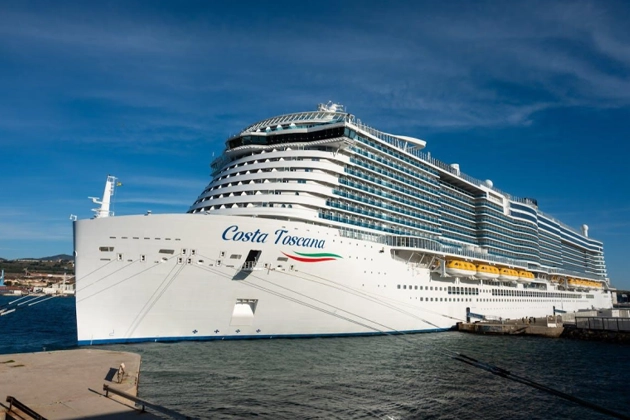
The Cruise Lines International Association’s 2024 data reveals that over 31 million passengers sailed from North American ports last year, with Miami handling nearly 40% of that traffic. Yet behind the vacation glamour lies a stark reality: maritime injury claims involving cruise ships have surged 23% in the past three years, driven by everything from galley fires to poolside slips that turn dream vacations into legal nightmares.
Miami’s position as the “Cruise Capital of the World” means local courts see an outsized share of these complex cases. Unlike a slip-and-fall at your neighborhood grocery store, cruise ship injuries involve multiple layers of maritime law, international jurisdictions, and contractual agreements that most passengers never read. When someone gets hurt aboard a vessel registered in the Bahamas, operated by a company headquartered in Florida, while sailing in international waters, seeking guidance from an experienced cruise accident lawyer in Miami can make navigating liability and legal strategies far more manageable.
For the thousands of passengers who disembark in Miami each week nursing injuries that occurred at sea, understanding what led to their accident—and how maritime law treats their situation differently from land-based incidents—often determines whether they receive fair compensation or get lost in a maze of jurisdictional complexity.
What Are the Most Common Causes of Cruise Ship Accidents?
The confined environment of a cruise ship creates unique hazards that simply don’t exist in traditional hotel or resort settings. Deck and stairway accidents represent the largest category of cruise ship injuries, accounting for nearly half of all claims filed. These incidents typically involve wet surfaces from pool activities, morning dew, or cleaning operations that leave passengers navigating slippery conditions in areas where safety railings may be minimal or improperly maintained.
Medical negligence aboard cruise ships presents particularly complex challenges. Ship medical facilities operate under different standards than land-based hospitals, and the medical staff often work as independent contractors rather than cruise line employees. When a passenger suffers a heart attack and the ship’s medical center lacks proper cardiac equipment, or when a child’s appendicitis gets misdiagnosed during a seven-day Caribbean cruise, the resulting injuries can be catastrophic.
Food poisoning and galley-related incidents create another significant category of claims. The logistics of feeding thousands of passengers daily while maintaining food safety standards proves challenging, especially when ships visit ports with varying sanitation protocols. Norovirus outbreaks, contaminated buffet stations, and galley fires that spread smoke throughout passenger areas have all resulted in substantial injury claims.
Crew-related incidents represent a growing concern as staffing pressures increase across the industry. Overworked crew members operating equipment unsafely, inadequate security response to passenger altercations, or maintenance personnel leaving hazardous conditions unaddressed create liability situations that often involve questions about crew training and supervision standards.
Recreational activity accidents round out the most common categories, involving everything from rock-climbing walls to zip lines installed on upper decks. These activities often come with liability waivers, but the enforceability of those waivers depends heavily on whether the cruise line maintained proper safety protocols and equipment standards—factors that become central to determining negligence in resulting injury claims.
How Does Maritime Law Shape Cruise Ship Injury Claims in Miami?
Maritime law creates a fundamentally different legal landscape than the personal injury law most people understand from car accidents or slip-and-falls on land. Admiralty jurisdiction governs these cases, which means federal courts handle the litigation under principles that date back centuries to international shipping commerce. This isn’t merely a procedural difference—maritime law operates under different standards for proving negligence, different damage calculations, and different time limits that can trap unwary passengers.
The Death on the High Seas Act and the Jones Act provide the federal framework, but cruise ship passengers fall into a unique category that doesn’t benefit from many protections available to maritime workers. When someone gets injured beyond the three-mile territorial limit, their case moves into federal admiralty court, where state personal injury protections don’t apply. Miami’s federal courthouse sees hundreds of these cases annually, and the judges who handle them apply maritime precedents that may seem counterintuitive to passengers expecting traditional personal injury outcomes.
Contractual venue requirements embedded in cruise ticket agreements typically require passengers to file lawsuits in specific jurisdictions—often Miami federal court regardless of where the passenger lives. While this creates convenience for Miami-based legal practice, it also means passengers from other states must navigate litigation far from home. The ticket contract also typically includes choice-of-law provisions that may apply foreign maritime law depending on where the ship is registered, adding another layer of complexity to liability determinations.
How Do Jurisdiction and Admiralty Law Affect Claims?
Federal admiralty jurisdiction kicks in the moment a cruise ship operates in navigable waters, which includes virtually all commercial cruise operations. This means passengers can’t file their cases in state court, even if their injury occurred while the ship was docked in Miami. Admiralty law applies different negligence standards than state personal injury law, often requiring passengers to prove the cruise line had “actual or constructive knowledge” of the dangerous condition that caused their injury.
The territorial waters distinction becomes crucial for certain types of claims. Injuries occurring within three miles of the U.S. coastline may allow for different damage recoveries than those occurring in international waters. Miami’s busy port means many accidents happen while ships are maneuvering in territorial waters, but passengers often don’t realize this distinction affects their potential compensation.
Federal court procedures also move differently than state court personal injury cases. Discovery rules, motion practice, and trial procedures in admiralty cases follow federal maritime precedents. Passengers accustomed to state court personal injury processes—or their attorneys unfamiliar with maritime practice—often encounter unexpected procedural hurdles that can delay resolution or limit evidence gathering opportunities.
What Role Do Contractual Waivers Play in Claims?
Cruise ticket contracts contain extensive liability limitations that most passengers never read but that significantly impact injury claims. Damage caps often limit the cruise line’s maximum liability to the cost of the cruise ticket for certain types of claims, potentially leaving severely injured passengers with minimal compensation despite substantial medical expenses and lost wages.
Activity-specific waivers for shore excursions, recreational activities, and spa services create additional barriers to recovery. Courts scrutinize these waivers differently depending on whether the activity was operated by cruise line employees or independent contractors. A passenger injured during a zip-line excursion in Cozumel might find their claim barred by a waiver, while someone injured on the same excursion due to faulty equipment maintenance might have viable claims against the cruise line.
Notice requirements buried in ticket contracts typically require passengers to notify the cruise line of their injury within strict deadlines—often much shorter than state personal injury statutes of limitations. Missing these notice periods can invalidate otherwise legitimate claims. The contracts also frequently require passengers to attempt mediation before filing lawsuits, adding time and expense to the claims process while evidence becomes staler and witness memories fade.
What Steps Are Involved in Navigating a Cruise Ship Injury Claim?
The immediate aftermath of a cruise ship injury creates critical opportunities and pitfalls that don’t exist in land-based accidents. Incident reporting must happen while still aboard the ship, and the quality of this initial documentation often determines claim viability months later. Ship security personnel who investigate incidents may not follow procedures that protect passenger interests, and medical evaluations by ship medical staff can create records that later complicate claims if the medical personnel downplay injury severity.
Evidence preservation becomes challenging once passengers disembark. Unlike a car accident where the vehicles remain available for inspection, cruise ship conditions change daily as the vessel continues its itinerary. Photographs of the accident scene, witness contact information from fellow passengers, and maintenance records for equipment involved in the incident become crucial evidence that may be difficult to obtain once the cruise ends.
Medical documentation requires careful coordination between ship medical records, shore-side emergency treatment, and follow-up care with personal physicians. Gaps in medical treatment or delays in seeking land-based medical care can be used to argue that injuries weren’t serious or weren’t caused by the shipboard incident. Insurance companies representing cruise lines often scrutinize medical treatment patterns to identify inconsistencies they can exploit.
The notice requirements embedded in ticket contracts typically provide very short windows—sometimes as little as 30 days—to formally notify the cruise line of injury claims. This notification must include specific information about the incident and injuries, and inadequate notice can bar otherwise valid claims. Many passengers don’t realize they’re running this clock while dealing with medical treatment and recovery. Working with a knowledgeable cruise accident lawyer in Miami can help ensure these critical deadlines are met while preserving all available evidence and documentation needed for a successful claim.
Litigation venue requirements force most passengers to pursue claims in Miami federal court regardless of where they live. This creates practical challenges for passengers from other states who must coordinate with Miami-based legal representation and potentially travel for depositions and trial. The contractual venue requirements also mean that passengers benefit from working with attorneys familiar with the specific federal judges who regularly handle maritime cases and understand the local court procedures and precedents that shape case outcomes.
What Legal Challenges Arise and Which Factors Influence Winning a Case?
Cruise ship injury litigation presents unique obstacles that distinguish these cases from typical personal injury claims. Proving corporate knowledge of dangerous conditions requires understanding complex shipboard maintenance protocols, crew training records, and incident reporting systems that cruise lines often resist disclosing during discovery. Unlike a grocery store slip-and-fall where surveillance video might clearly show a spill that went unaddressed, ship conditions involve multiple departments and international crew members whose testimony may be difficult to obtain.
International crew testimony creates both evidentiary and practical challenges. Crew members who witnessed incidents or had knowledge of dangerous conditions often return to home countries after their contracts end, making them difficult to locate for depositions or trial testimony. Language barriers, cultural differences in reporting practices, and concerns about employment retaliation can all affect the quality and availability of crew witness testimony that might be crucial to establishing negligence.
Corporate structure complexity allows cruise lines to shift liability between parent companies, ship management companies, and independent contractors in ways that can confuse liability determinations. A passenger injured during a shore excursion might face arguments that the tour operator, not the cruise line, bears responsibility—even when the cruise line marketed and sold the excursion as part of the cruise experience.
How Is Negligence and Liability Proven in Cruise Injury Cases?
Maritime negligence standards require passengers to demonstrate that the cruise line had “actual or constructive notice” of the dangerous condition that caused their injury. This standard differs significantly from land-based premises liability, where property owners may be liable for conditions they should have discovered through reasonable inspection. Cruise lines often argue they had no notice of transient conditions like spilled drinks or wet deck areas, requiring passengers to prove the condition existed long enough that reasonable inspection should have discovered it.
Maintenance and inspection records become crucial evidence, but cruise lines operate under international maritime standards that may differ from land-based building codes or safety regulations. Understanding whether a ship’s maintenance practices met industry standards requires expert testimony from maritime engineers and ship operations specialists who can interpret complex maintenance logs and crew training protocols.
Corporate policies and procedures often conflict with actual shipboard practices, creating opportunities to establish negligence through gaps between written safety protocols and their implementation. Discovery of internal communications, incident reports, and crew training materials can reveal patterns of safety shortcuts or inadequate response to known hazards that support negligence claims.
Why Are Evidence and Expert Testimony Crucial?
Maritime engineering experts provide essential testimony about ship design, maintenance standards, and whether specific conditions violated industry safety practices. These experts can interpret complex technical evidence about everything from deck surface materials to galley ventilation systems, translating technical details into terms that help judges and juries understand how cruise line decisions contributed to passenger injuries.
Medical experts familiar with shipboard medical care standards become necessary when cases involve allegations of medical negligence or delayed medical treatment. Ship medical facilities operate under different regulatory frameworks than land-based hospitals, and understanding appropriate care standards in the maritime environment requires specialized medical expertise.
Economic experts help calculate damages in cases involving serious injuries, but maritime law’s damage limitations can restrict recovery in ways that don’t apply to land-based personal injury cases. Understanding how maritime law affects future medical expenses, lost wages, and pain and suffering calculations requires expertise in admiralty damage principles that differ significantly from state personal injury compensation standards.
What Are Recent Trends and Expert Views on Cruise Safety and Litigation?
The cruise industry’s rapid expansion following the COVID-19 pandemic has created new safety challenges that maritime law experts expect will drive litigation trends through 2025. Enhanced sanitation protocols initially implemented for infection control have revealed gaps in traditional cleaning procedures, leading to increased scrutiny of housekeeping practices and their relationship to slip-and-fall incidents. Industry analysts predict this heightened awareness of cleanliness standards will affect liability determinations in cases involving surface conditions and maintenance practices.
Technology integration aboard modern cruise ships presents both opportunities and risks for passenger safety. Advanced monitoring systems can provide better documentation of incident conditions, but the complexity of shipboard technology also creates new points of failure. Maritime safety experts note that automation of ship systems has reduced crew oversight in some areas, potentially affecting response times to developing hazardous conditions.
Regulatory developments at the federal level suggest increased oversight of cruise ship safety practices, particularly following high-profile incidents involving medical emergencies and overboard accidents. The Coast Guard’s enhanced inspection protocols and the CDC’s continued involvement in ship sanitation oversight create evolving compliance landscapes that may affect how courts evaluate cruise line negligence in future cases.
Looking ahead, maritime law specialists anticipate that courts will place greater emphasis on cruise lines’ duty to adapt safety practices to changing passenger demographics and expectations. As cruise ships accommodate increasingly diverse passenger populations—including more elderly travelers and families with young children—the industry’s legal obligations for maintaining safe conditions continue to evolve in ways that experienced maritime attorneys expect will shape the next generation of cruise ship injury litigation.