
Construction sites are unpredictable landscapes where every corner can hold a hidden danger. One moment, a project moves forward smoothly, and the next, a misstep, a falling tool, or unstable scaffolding can turn an ordinary day into a life-altering accident.
The way these incidents are handled immediately can determine both recovery and future legal outcomes. Taking the right steps after a construction injury is not just about safety; it’s about protecting your rights and ensuring fair treatment. If you find yourself facing this reality, here are the ways to respond and navigate the path from incident to legal action.
Understanding Construction Injuries
Construction injuries come in many forms, and recognizing them is the first step in addressing them. Falls from ladders, scaffolding, or roofs are among the most common and often result in broken bones or head trauma. Equipment-related accidents can range from crushed fingers to severe injuries from heavy machinery. Electrical shocks or burns, slips on wet surfaces, and being struck by falling objects also make up a significant portion of incidents. Beyond the physical pain, these injuries can disrupt work schedules, cause financial strain, and impact long-term well-being. A clear understanding of potential risks highlights the importance of safety awareness and prompt legal guidance.
Construction workers and supervisors must pay attention to the details on a site. Minor hazards like loose wiring, unguarded openings, or slippery surfaces may seem small until they become serious accidents. Reporting unsafe conditions on construction sites is not just a safety precaution—it is a legal and ethical responsibility that can prevent incidents before they escalate.
Immediate Steps After a Construction Injury
Ensure Safety and Get Medical Attention
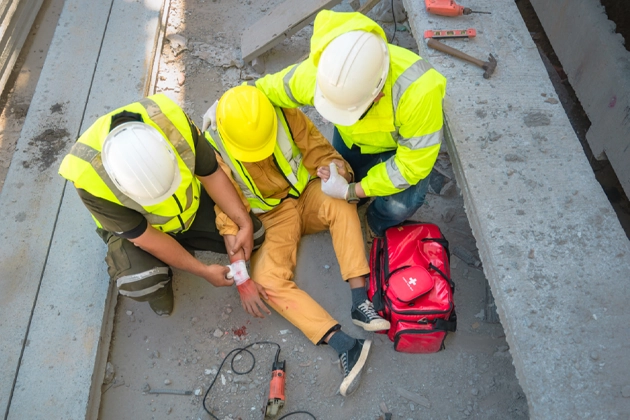
The first action after any accident is to secure the scene and prevent further injuries. Moving to a safe area, calling emergency services, and providing first aid are critical. Prompt medical attention ensures proper treatment and creates official documentation of the injuries, which may be important for insurance or legal claims.
Report the Incident
Communicating the accident to supervisors, project managers, or safety officers is essential. Accurate reporting helps maintain a formal record, which can support insurance claims and legal proceedings. This step also ensures that corrective measures are taken to prevent similar incidents. Keeping detailed notes about the accident, including the exact time, location, and conditions, strengthens your position.
Document Everything
Collecting evidence is vital. Take photographs of the scene, equipment, and any contributing hazards. Write down witness statements or contact information of coworkers who saw the incident. Medical reports, treatment notes, and even receipts for related expenses all contribute to building a complete record. Proper documentation ensures that both the physical and financial impacts of the injury are recognized and can be addressed fully.
Understanding Your Legal Rights
After a construction injury, knowing your legal rights can make a significant difference. Workers are generally entitled to compensation through workers’ compensation systems, which cover medical expenses and lost wages. In cases where third-party negligence contributes to the injury, additional claims may be possible.
Employers, contractors, and property owners each have different responsibilities. Liability often depends on whether safety protocols were followed, equipment was maintained, or hazardous conditions were properly addressed. Understanding this framework helps injured workers navigate compensation claims and decide whether legal support is necessary. Reporting unsafe conditions on construction sites early can play a major role in establishing accountability and protecting legal rights.
How a Construction Injury Lawyer Can Help
Evaluating Liability
A construction injury lawyer can assess the circumstances surrounding an accident. They examine whether employer negligence, unsafe equipment, or third-party errors caused the injury. This evaluation helps determine the correct avenues for seeking compensation and clarifies the responsibilities of each party involved.
Handling Insurance and Compensation
Insurance companies often aim to minimize payouts. Legal experts handle communications and negotiations to ensure claims fully reflect medical costs, lost income, and any long-term care requirements. Having professional guidance reduces the risk of settlements that fail to cover the true costs of recovery.
Representation in Legal Proceedings
Some cases require court appearances or arbitration to resolve disputes. Experienced lawyers prepare documentation, present evidence, and advocate for fair treatment. Their involvement ensures that injured workers are not left navigating complex legal systems alone, giving them a better chance at a successful outcome.
Practical Tips to Avoid Construction Injuries
Preventing accidents begins with awareness and proactive measures:
- Always wear the appropriate safety gear, including helmets, gloves, and harnesses.
- Be vigilant about identifying and reporting hazards, no matter how small they seem.
- Follow training protocols and ensure new workers receive safety briefings.
- Maintain equipment and inspect tools before use.
- Encourage open communication on-site about potential risks.
Simple habits like these can significantly reduce the likelihood of accidents and protect workers’ physical and financial wellbeing.
Takeaway
Construction injuries are challenging, but taking the right steps immediately can influence recovery and compensation outcomes. Prompt medical care, accurate documentation, and clear communication with supervisors set the foundation for any legal action. Understanding your rights and working with a qualified legal professional can ensure fair treatment and accountability.
Reporting unsafe conditions on construction sites not only safeguards your coworkers but also strengthens your position if legal claims are necessary. Acting decisively can help injured workers regain control, protect their interests, and move forward with confidence.