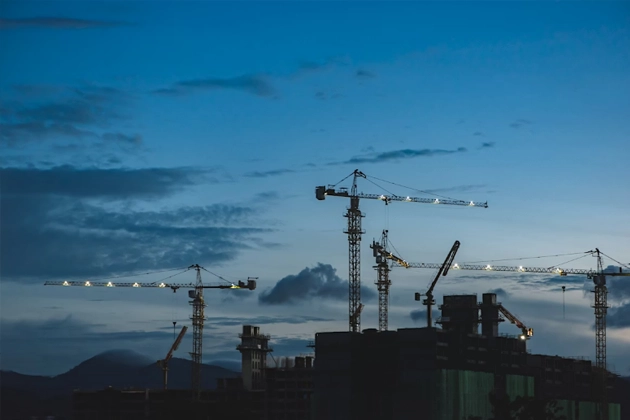
Green building standards are changing the way people think about construction across the entire world. Modern developers focus on long-term efficiency and reduced environmental impact to meet new goals.
Modern tools help teams meet these tough requirements on a daily basis. Precision testing keeps structures safe following eco-friendly guidelines and strict safety codes.
Building For The Future With Precision
Structural safety is the backbone of every sustainable project in the city. Finding the Best Ultrasonic Flaw Detectors allows engineers to spot tiny cracks in steel or concrete beams. This level of detail keeps buildings standing much longer and reduces the need for constant maintenance.
Maintaining a building is much better than replacing parts every few years. Scanners help identify the exact spots that need attention from the repair team. You save money and resources by focusing only on the areas that require a fix.
High-quality testing gear finds hidden air pockets in poured concrete slabs. These small holes can weaken a wall if they are not fixed. Catching them early ensures the structure remains solid for many decades.
Why Green Standards Matter Today
Builders want to lower the carbon footprint of every new construction site. This involves choosing materials that last and using energy-saving designs for the future. Reliable testing ensures these materials perform exactly as promised under heavy loads during the life of the building.
Testing prevents premature failure, which often leads to massive rebuilds later on. Rebuilding is one of the most carbon-heavy tasks in the whole construction industry today. Precision tools keep the original structure solid for a long time.
High-tech scanners check the density of walls and floors with high precision. This data helps teams verify that insulation and support structures are perfect for the design. Accurate readings lead to better energy ratings for the finished property.
Sensing Resilience In Modern Engineering
Industry leaders look at new ways to merge technology with nature. One academic journal recently highlighted a theme for 2025 that links sensing resilience with engineering sustainability.
Resilience is about more than just staying upright during a heavy winter storm. It means a structure can adapt to changes without needing a full overhaul or demolition. Sensors and scanners provide the data needed to make these smart choices.
Engineers use this information to choose the right recycled materials for the specific job. Not every salvaged part is strong enough for structural use in a large tower. Ultrasonic tools confirm if a piece of steel is ready for a second life.
Navigating New Global Directives
Rules around building performance are getting much stricter in many countries right now. Reports show that a major energy directive recently updated its rules in May 2024 to push for better building performance across many regions.
Monitoring becomes easier when the building is scanned during the construction phase of the project. Scans find gaps or flaws that might leak heat or cool air. Fixing these issues early makes it much simpler to follow the law.
Safety codes demand regular checks on high-rise support systems and steel frames. Ultrasonic testing provides a non-destructive way to look inside solid parts. You get the answers you need without cutting into the walls or floors.
Boosting Energy Efficiency On Site
Every watt of energy saved during a build counts toward green certification for the site. Teams use scanners to find the best spots for heavy equipment and tools.
Smart tools help manage site resources better than old methods. These methods help projects stay on track for the environment:
- Reduces the number of trial-and-error tests performed on site.
- Limits the amount of rework needed on large parts.
- Keeps equipment running at peak performance for many years.
Less rework means fewer trucks delivering replacement parts to the construction site. This lowers the total emissions of the entire construction process from start to finish. Small efficiency gains add up to a win for the planet and the budget.
Protecting Material Longevity
Sustainable building is about making things last a lifetime for future generations. If a bridge or tower stays strong for 100 years, the environmental cost is spread out. Constant monitoring with ultrasonic sound waves identifies early fatigue in the structure.
Finding a flaw early lets crews do a small patch instead of a big replacement. These minor fixes use far less material than a major renovation project. It keeps the original design intact during the process of maintaining safety levels for the people inside.
Testing works on many types of surfaces, including metals and composite materials. This versatility makes it a top choice for modern green skyscrapers in big cities. One tool handles many different inspection tasks on a busy construction site.
Cutting Down On Construction Waste
Waste is a major problem in the building industry today across the globe. Accurate measurements mean you only order exactly what you need for the project. Precision tools help confirm that every piece of material is usable before it is installed.
Reducing waste helps the budget and the environment at the same time. These benefits come from using precise flaw detection:
- Fewer rejected parts during the inspection phase.
- Less scrap metal from damaged steel beams.
- Lower disposal costs for failed materials on the site.
Checking a shipment of steel beams with sound waves takes just minutes for a crew. It prevents a faulty piece from being buried deep inside a structure. Catching a problem early saves tons of debris from going to the landfill.
The Move Toward Smarter Testing
The industry is moving toward digital data sharing for every construction project. Modern scanners connect to apps and clouds to give real-time updates to the boss. This lets off-site experts review structural health without flying to the location.
Digital records create a history for the building that lasts for many years. Future owners can see exactly how the structure was tested during its birth. This transparency is a key part of modern green real estate in the city.
Faster testing means shorter project timelines for the whole construction crew. A shorter timeline means the site uses less power and water during the build phase. Tech makes the entire construction cycle much cleaner for the world.
Investing In Long Term Safety
Buying the right tools is an investment in the planet for the future. High-end gear costs more upfront, but it pays for itself through accuracy on every job. You avoid the high cost of structural failures and emergency repairs later.
Green buildings are often worth more on the market than older designs. Buyers want proof that the property meets high standards of safety and efficiency. Detailed test reports provide that proof and help build trust with investors.
Safety and sustainability are two sides of the same coin in modern engineering. A building that fails is never sustainable for the environment or the community. Keeping a close eye on the bones of a structure is the only way to be green.
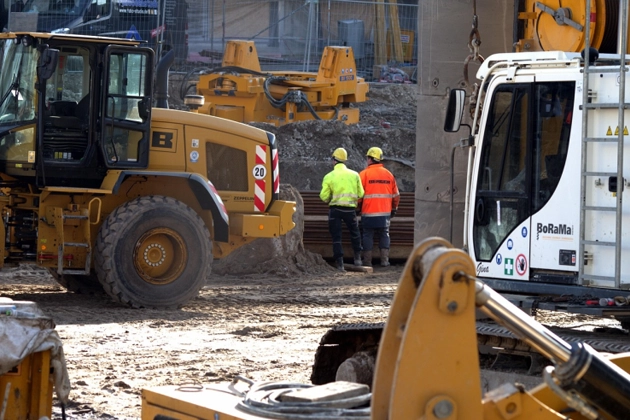
Ultrasonic tools are now a requirement for anyone serious about green building projects. They provide the precision needed to satisfy both safety inspectors and environmental boards.
Focusing on high-quality testing helps the industry move toward a cleaner future. Reliable data keeps our cities standing strong and our planet healthier for many years to come.